Departing from Palma de Mallorca
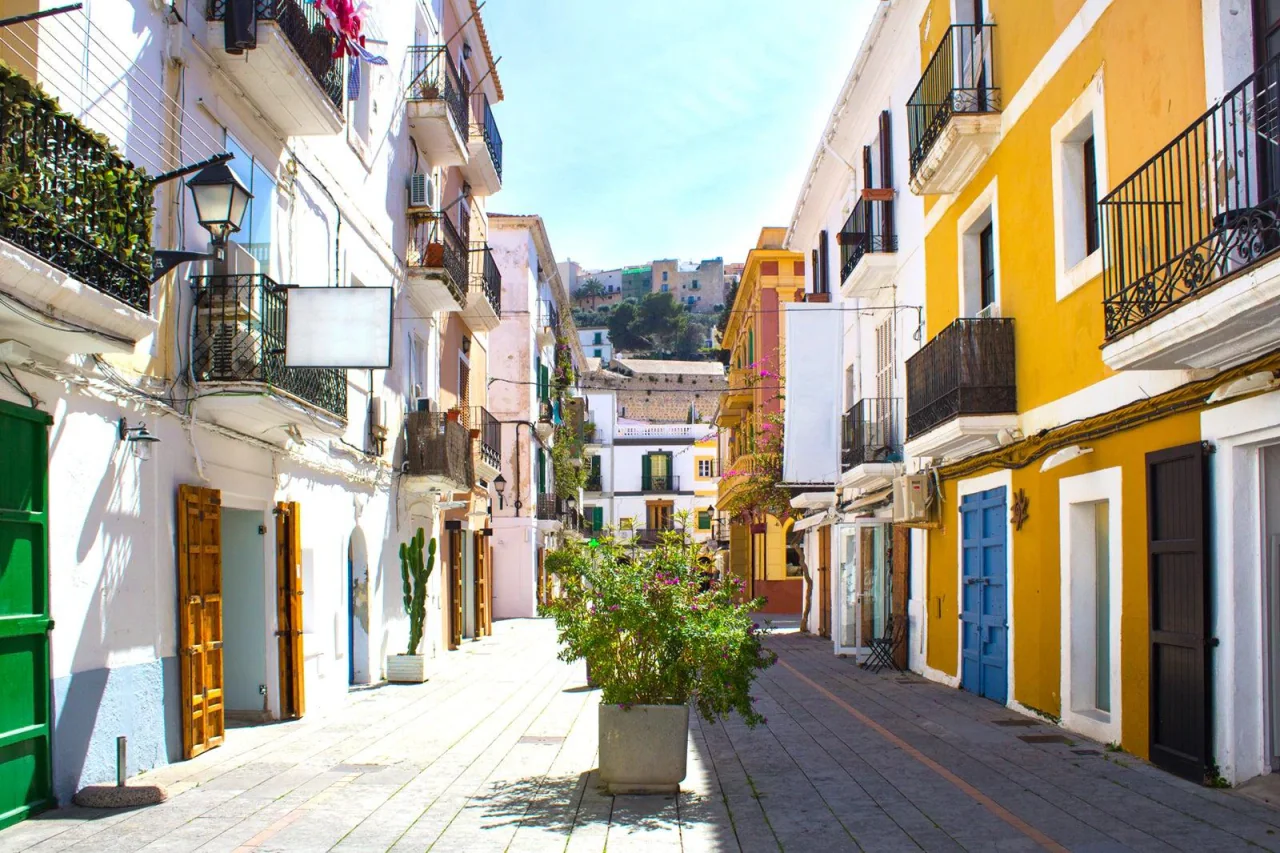
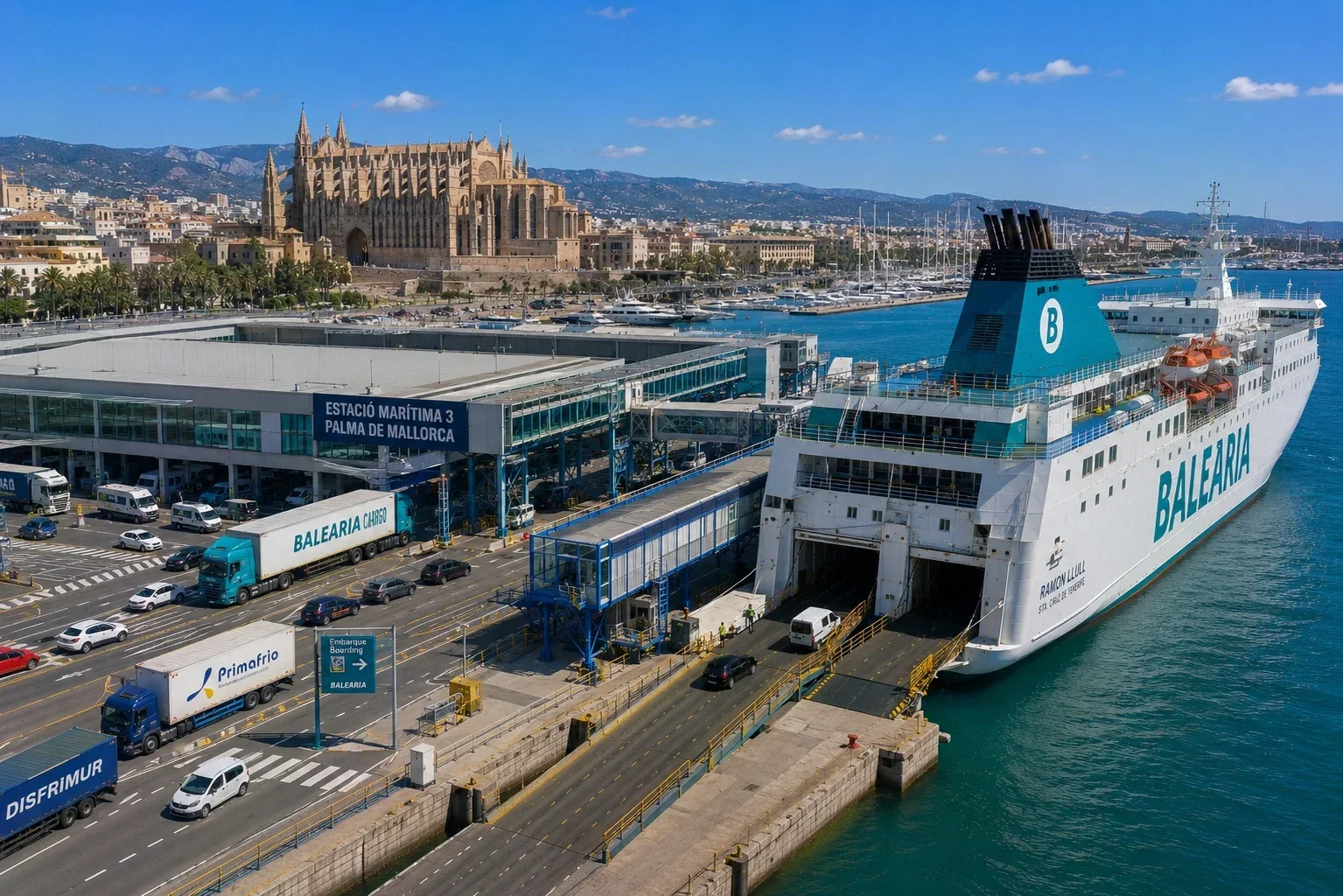
Palma de Mallorca is both a rewarding Mediterranean city break and the main urban gateway to Mallorca. The old town spreads behind the waterfront with honey-coloured lanes, courtyards, churches, cafés and one of Spain’s most recognisable cathedrals.
La Seu cathedral dominates the bay, while the neighbouring Royal Palace of La Almudaina, Passeig del Born and the lanes around Plaça Major make the centre easy to explore on foot.
Bellver Castle adds panoramic views from a wooded hill west of the centre, and Palma also works well as a base for beaches, mountain villages and wider Mallorca day trips.
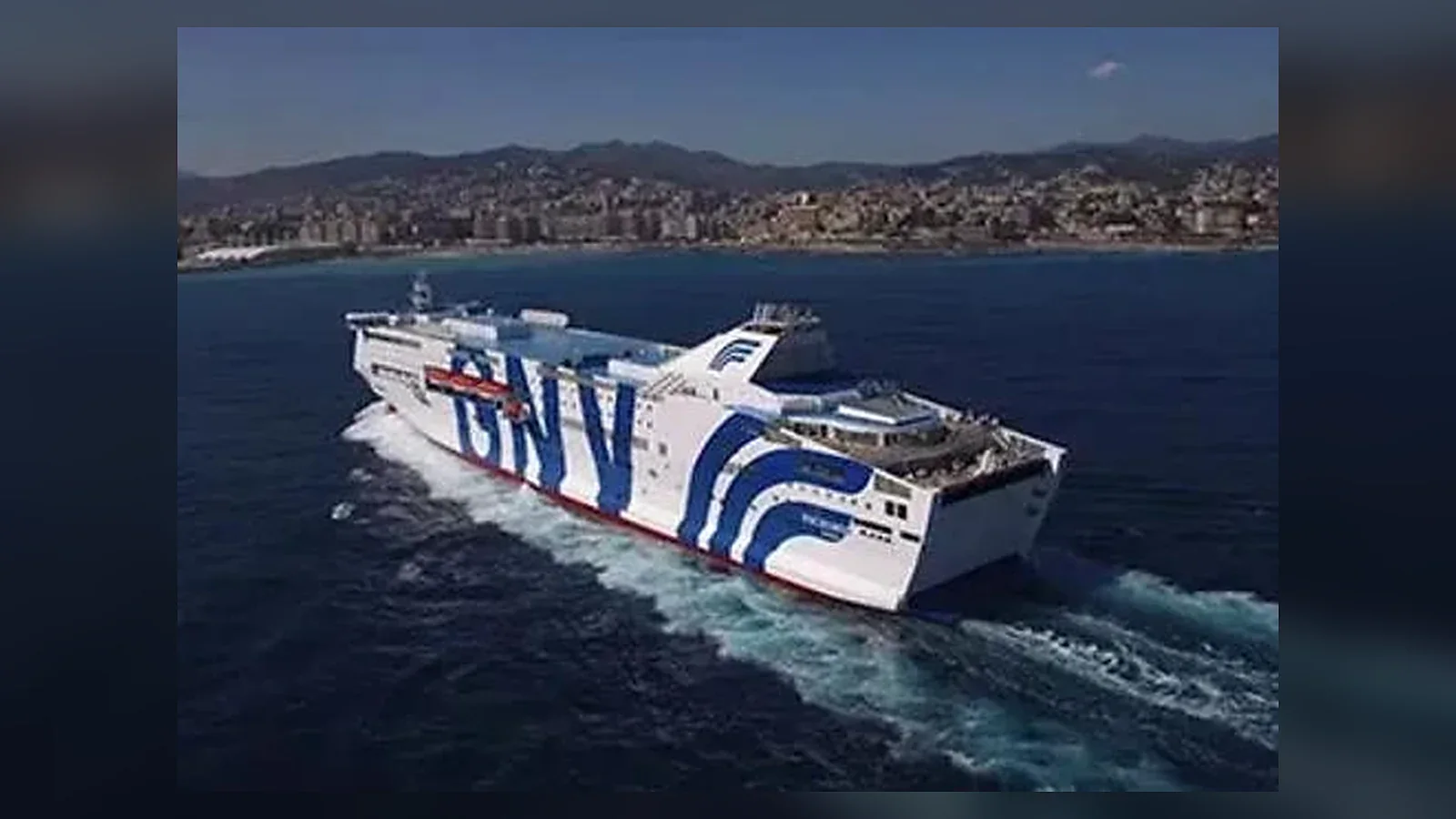
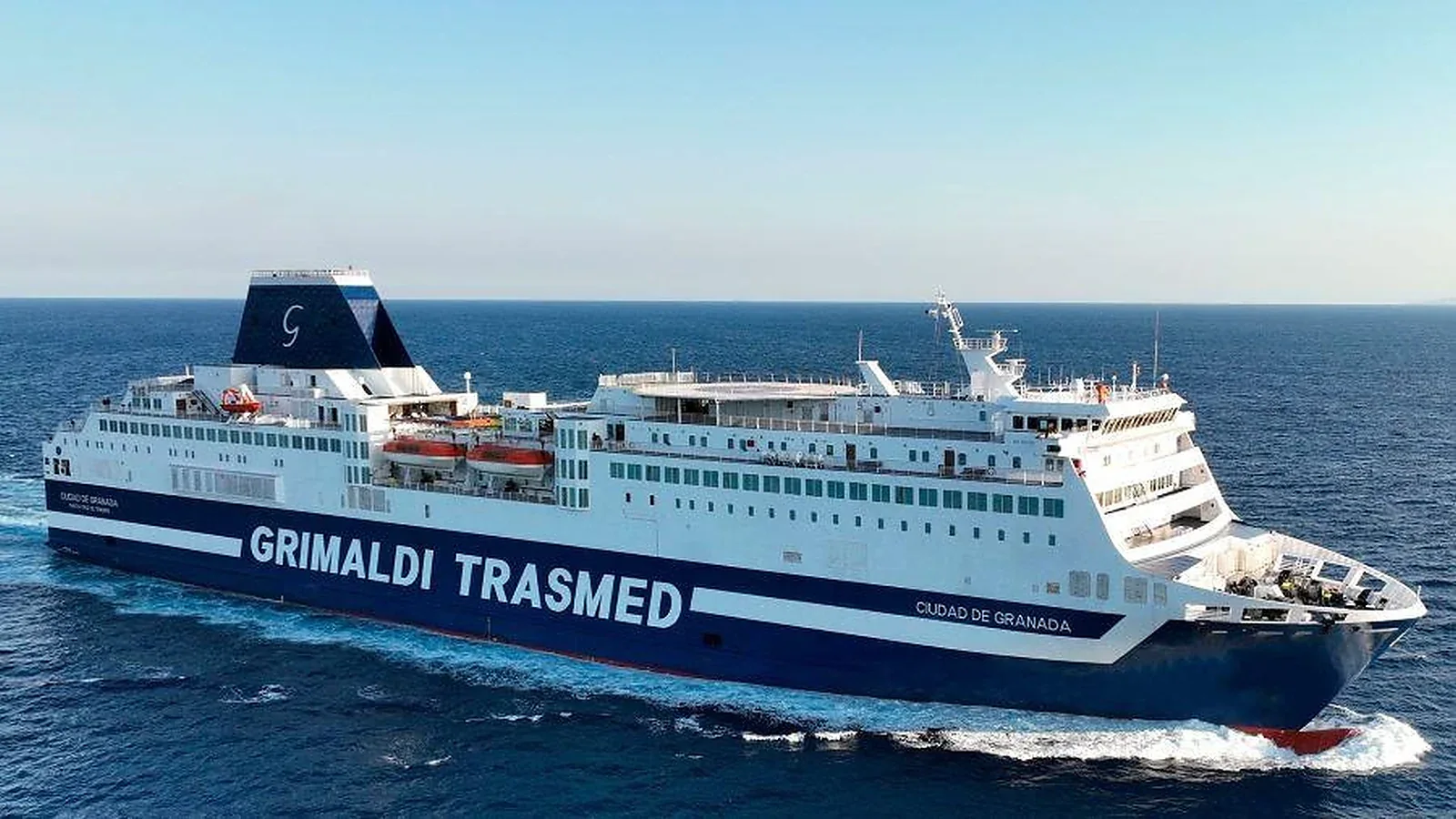
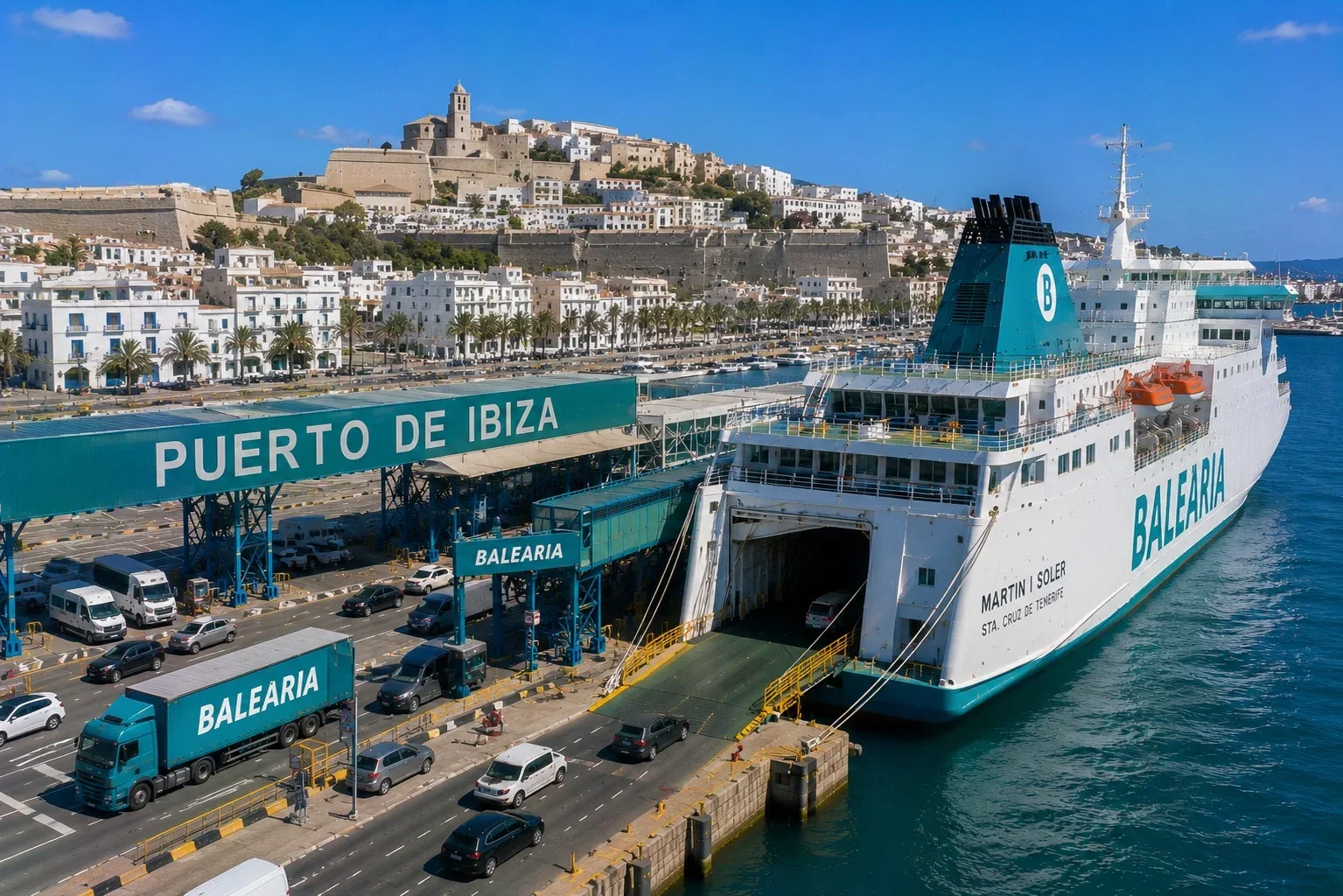
The Port of Palma is one of the Balearic Islands’ principal passenger gateways. Current ferry networks connect Palma with Barcelona and Valencia, and services also link Mallorca with other Balearic islands depending on operator and timetable.
Palma is a large commercial and cruise port, so ferry travellers should confirm the exact terminal, quay and reporting time for their operator before travelling.
Palma also rewards travellers who stay beyond the waterfront. Santa Catalina is known for its market and restaurants, while the old town’s courtyards, galleries and shaded streets give the city a strong sense of place away from the busiest visitor areas.
For a longer stay, the city is an easy starting point for Mallorca’s wider attractions, including the Serra de Tramuntana, Valldemossa, Sóller and beaches around the Bay of Palma. Good road and public-transport links make it practical to combine a ferry crossing with a wider island itinerary.
Use the terminal or pier named on your operator confirmation. The published departure is the sailing time; check-in and vehicle acceptance close earlier. If reaching Palma by train or bus, allow for the transfer from the station to the harbour and for luggage handling.
Palma de Mallorca destination and port guide



 From about 2¼ hours
 3 operators
 Vehicle ferries
 Pet options

 Baleària