

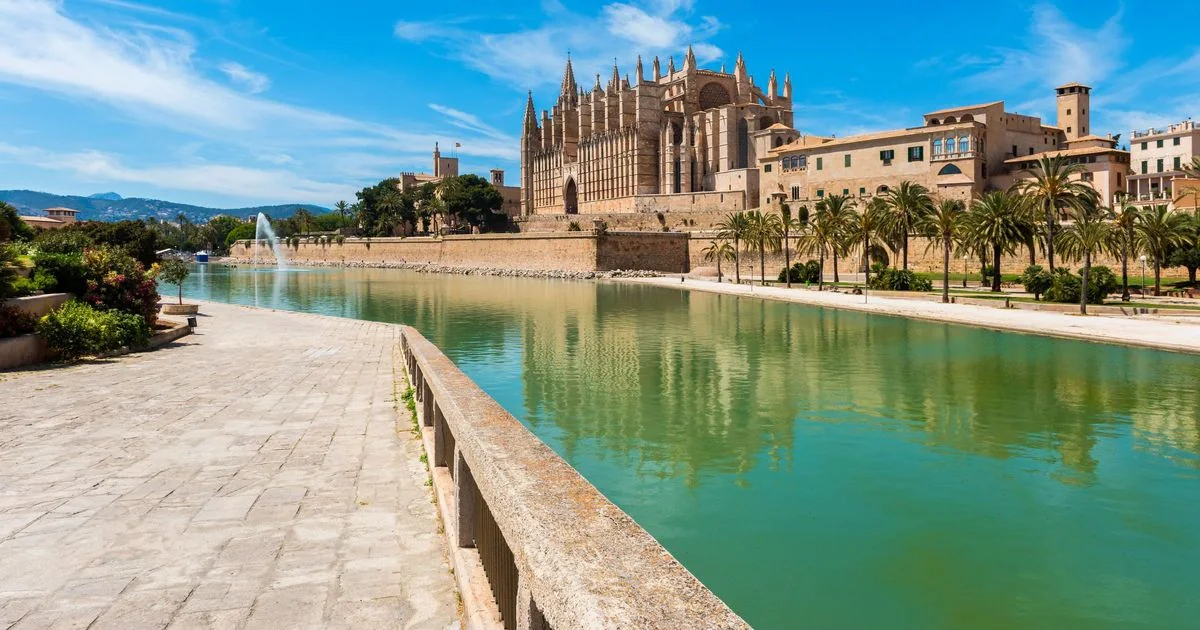
La Seu Cathedral
Visit Palma’s immense Gothic cathedral overlooking the Parc de la Mar and bay.
Plan ferries to and from Palma de Mallorca in Spain, with route choices, harbour guidance and ideas for the rest of your journey.
Choose your route, travel dates, passengers and vehicle to compare current sailings and fares. Search all ferry routes.
Check your ports, passengers, vehicle and dates before completing the reservation.
Palma de Mallorca is both a rewarding Mediterranean city break and the main urban gateway to Mallorca. The old town spreads behind the waterfront with honey-coloured lanes, courtyards, churches, cafés and one of Spain’s most recognisable cathedrals.
La Seu cathedral dominates the bay, while the neighbouring Royal Palace of La Almudaina, Passeig del Born and the lanes around Plaça Major make the centre easy to explore on foot.
Bellver Castle adds panoramic views from a wooded hill west of the centre, and Palma also works well as a base for beaches, mountain villages and wider Mallorca day trips.
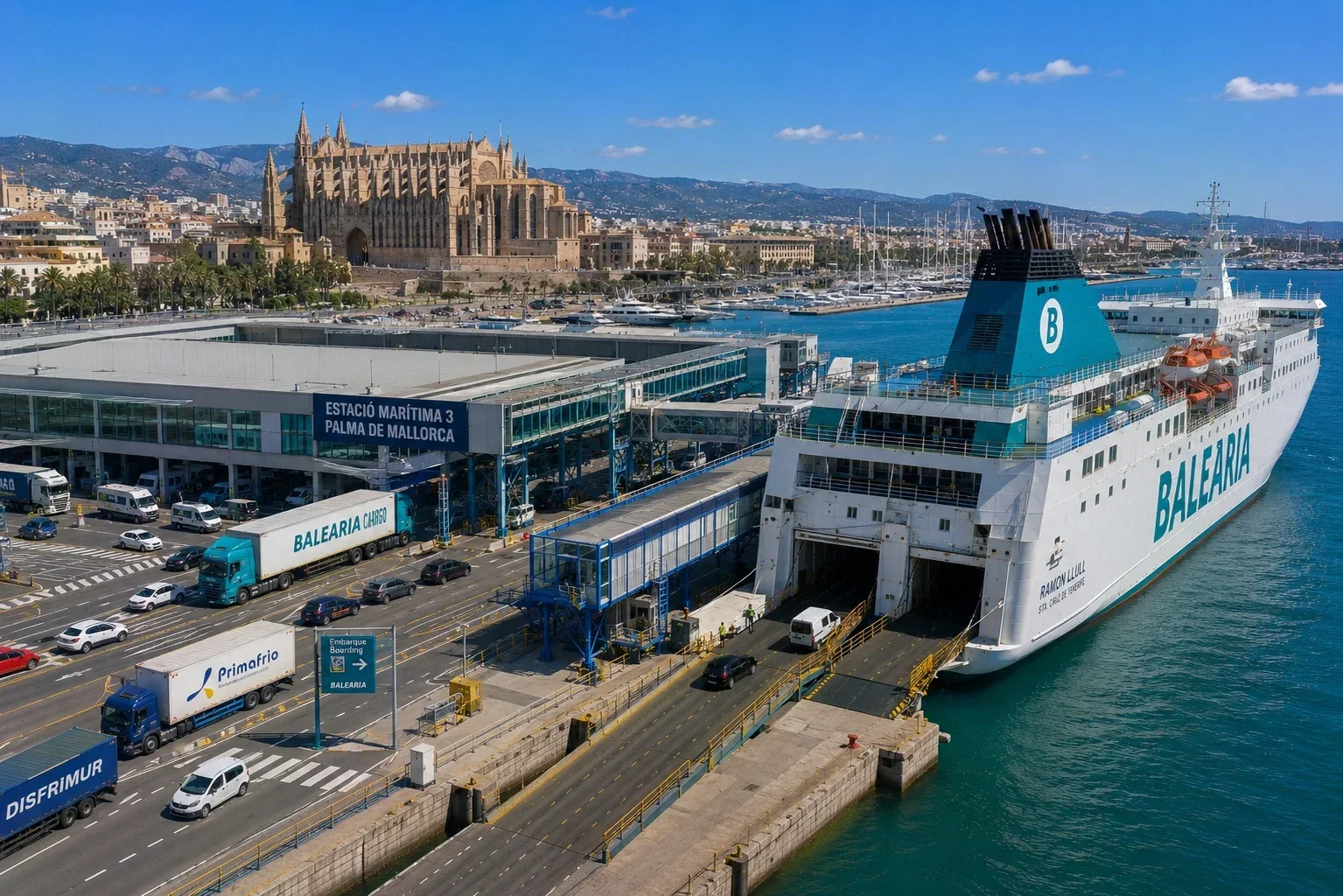
The Port of Palma is one of the Balearic Islands’ principal passenger gateways. Current ferry networks connect Palma with Barcelona and Valencia, and services also link Mallorca with other Balearic islands depending on operator and timetable.
Palma is a large commercial and cruise port, so ferry travellers should confirm the exact terminal, quay and reporting time for their operator before travelling.
Palma also rewards travellers who stay beyond the waterfront. Santa Catalina is known for its market and restaurants, while the old town’s courtyards, galleries and shaded streets give the city a strong sense of place away from the busiest visitor areas.
For a longer stay, the city is an easy starting point for Mallorca’s wider attractions, including the Serra de Tramuntana, Valldemossa, Sóller and beaches around the Bay of Palma. Good road and public-transport links make it practical to combine a ferry crossing with a wider island itinerary.
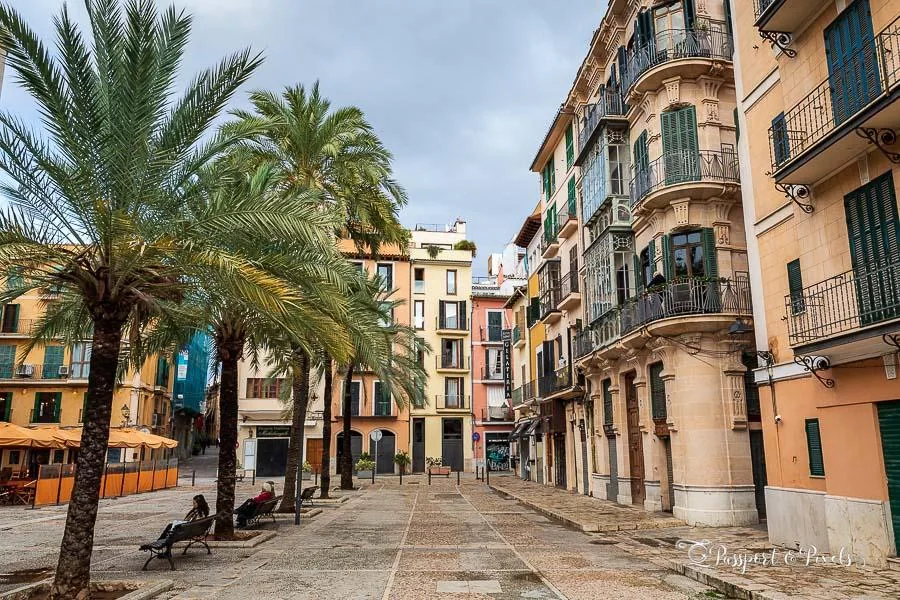
Palma combines major historic sights with neighbourhood cafés, waterfront walks and easy access to the rest of Mallorca.
Visit Palma’s immense Gothic cathedral overlooking the Parc de la Mar and bay.
Explore the historic royal palace beside the cathedral and the old city walls.
Climb or drive to the circular hilltop castle for broad views over Palma and its harbour.
Wander lanes, courtyards, churches and small squares between the cathedral and Plaça Major.
Enjoy one of Palma’s elegant central promenades for shopping, cafés and evening atmosphere.
Use Palma as a base for Serra de Tramuntana villages, beaches and scenic drives across the island.
Browse Palma walking tours, Mallorca excursions, food experiences and coastal activities before or after your ferry journey.
Tours and activities displayed in this section are supplied through Viator. Availability, descriptions and prices are provided by the activity supplier and can change.
Passenger ferries use the Port of Palma on the city waterfront. The harbour is extensive, with commercial docks and passenger facilities spread across different areas.
Baleària publishes 2026 Barcelona–Mallorca services arriving at Palma as well as Alcúdia, and Palma is also connected with Valencia and inter-island destinations through the wider Balearic ferry network.
Check the operator’s final terminal instructions carefully, especially if travelling with a vehicle, because check-in locations and reporting times differ by service.
Palma’s historic centre is compact, while city buses, taxis and Mallorca’s rail/bus network help with beaches and island excursions.
The cathedral, old town, waterfront and central shopping streets are easy to combine on foot.
Palma’s Intermodal Station links buses and local rail services for many inland destinations across Mallorca.
A car gives the most flexibility for mountain villages, remote coves and multi-stop Mallorca itineraries.
The old town is ideal for first-time sightseeing, Santa Catalina suits dining and nightlife, and waterfront hotels can be practical for port access.
Passenger ferries use the Port of Palma on the city waterfront. The exact check-in area depends on the operator and sailing.
Yes. Baleària publishes 2026 Barcelona–Mallorca services that include Palma, alongside other Mallorca arrivals such as Alcúdia.
Yes. Valencia–Mallorca is part of the established mainland-to-Balearic ferry network, with services depending on operator and date.
Yes. Major mainland services carry cars, motorcycles and other vehicles; booking ahead is advisable in peak season.
The port fronts the city, but Palma’s harbour is large and some ferry quays are several kilometres from the historic core.
La Seu Cathedral, La Almudaina, Bellver Castle, the old town, Passeig del Born and Mallorca day trips are popular choices.
Not for central Palma. A car becomes more useful for beaches, mountain villages and wider Mallorca touring.
Yes for summer, vehicles, cabins and popular weekend sailings. Recheck the exact terminal before departure.
The route catalogue includes departures towards Barcelona, Dénia, Ibiza, Mahón, Valencia. Each direction has its own guide so that you can check the correct starting pier and arrival arrangements. A listed connection may be seasonal, a multi-stop itinerary or a former service; read its service status before making plans.
No matches. Try a different place name or clear the filters.
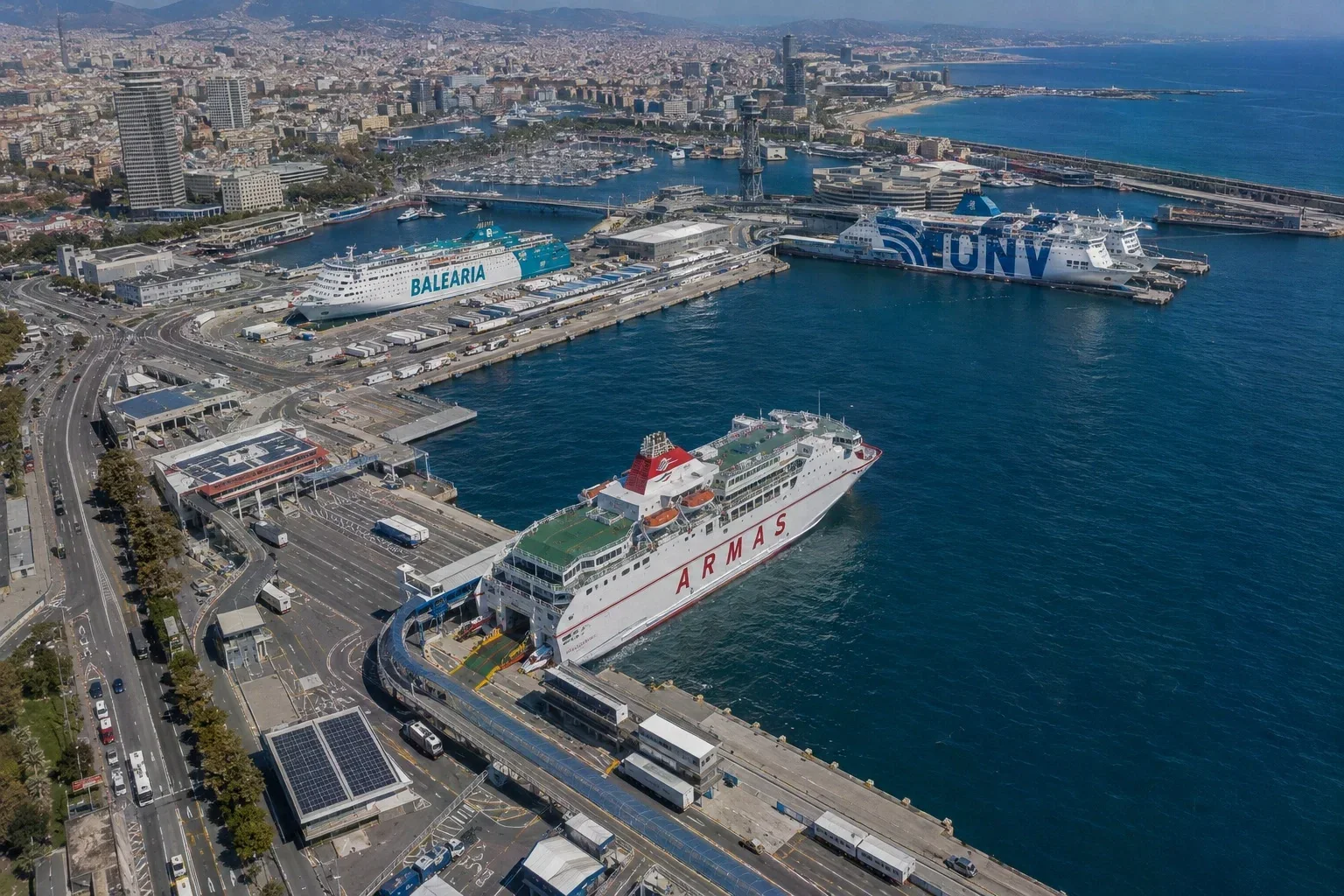
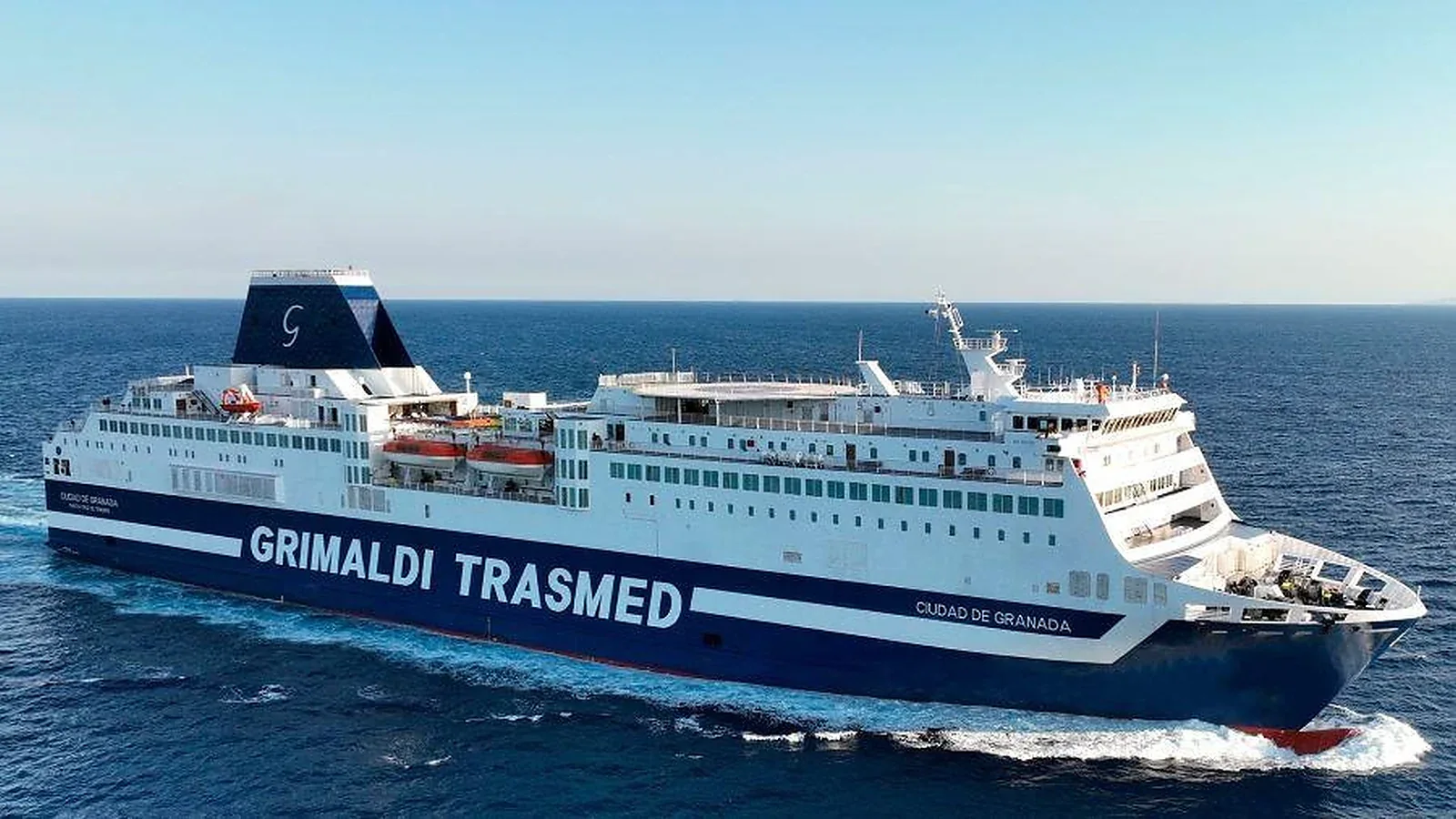
Baleària, Trasmed, Grandi Navi Veloci (GNV)
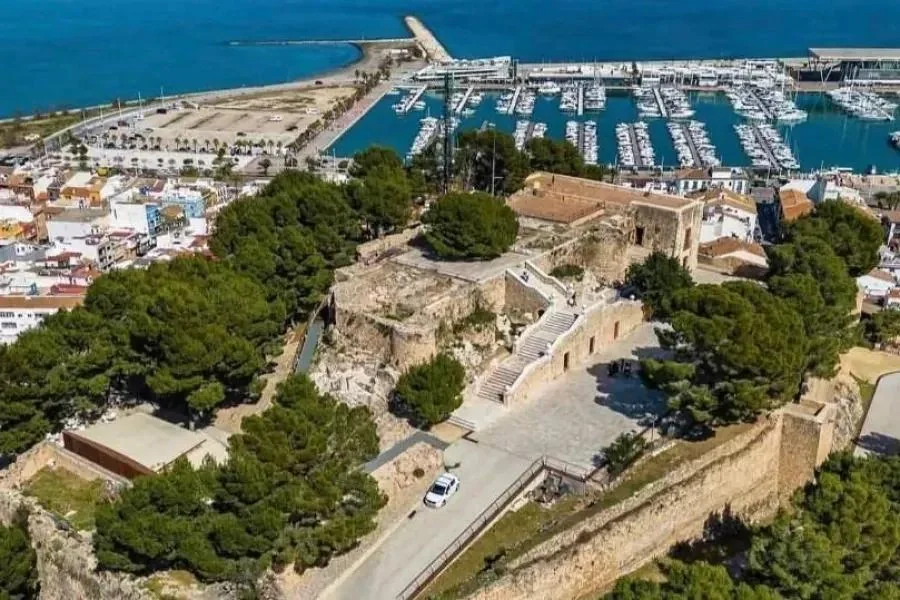
Baleària
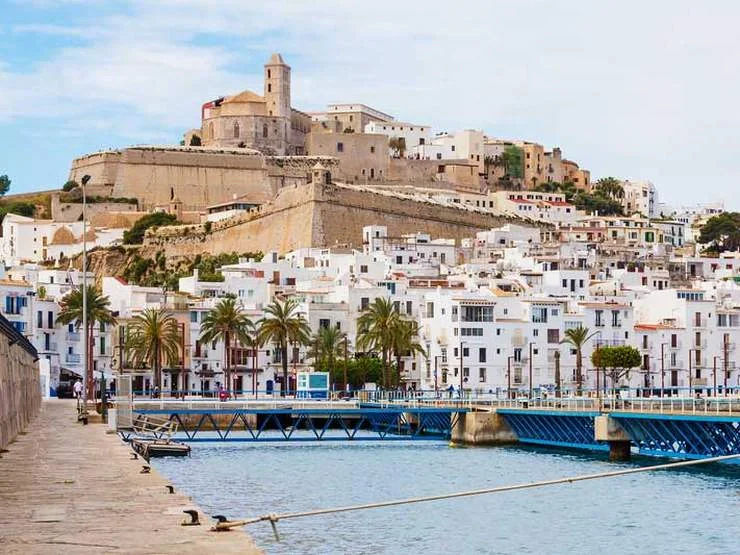
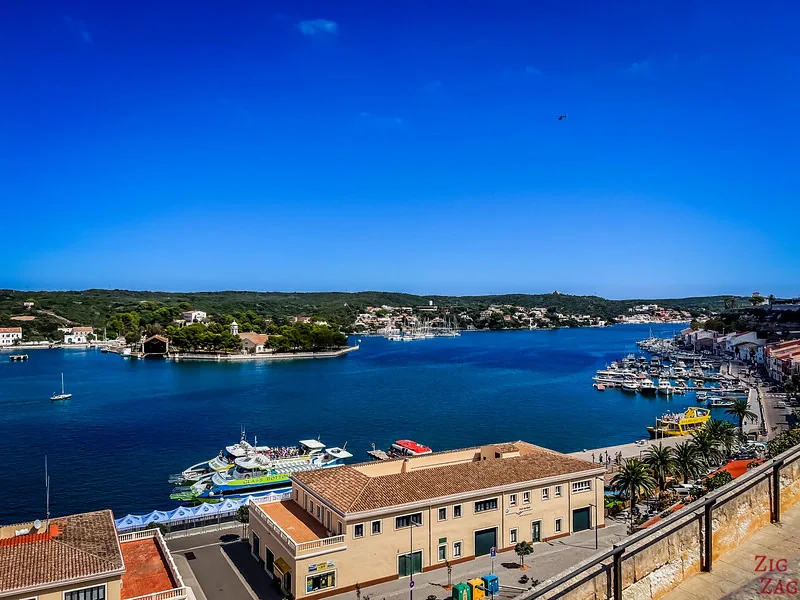
Trasmed
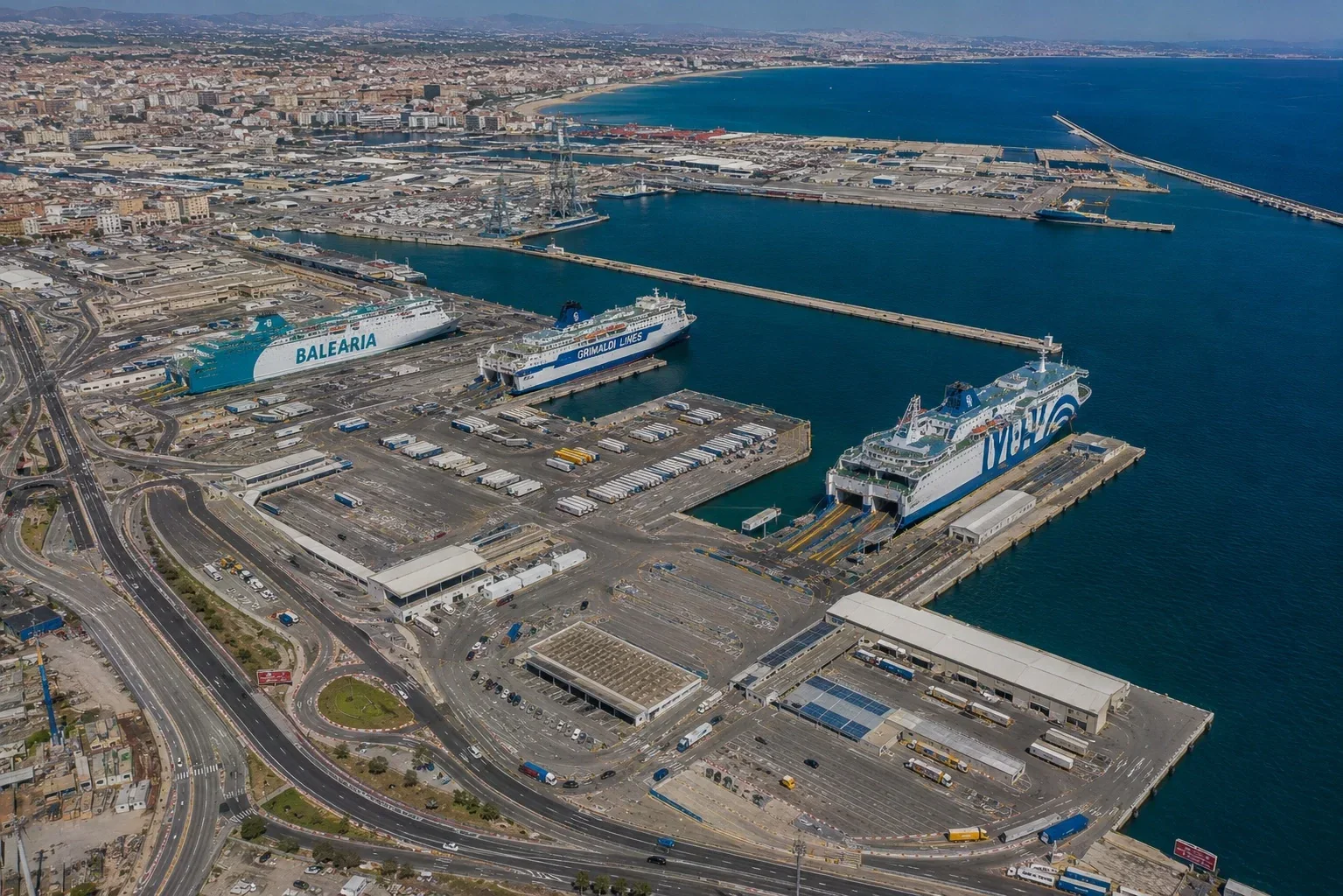
Palma is Mallorca’s main city and one of the Balearics’ largest ferry hubs, with extensive passenger and vehicle facilities.
Pin the precise ferry terminal before travelling to Palma de Mallorca. Some towns have separate passenger quays, vehicle terminals and excursion-boat landings. The operator’s address on your confirmation is more useful than a town-centre map pin.
For a car journey, leave a margin for the final approach, queueing and check-in. Without a car, confirm the last part of the journey from the railway station or bus stop. A short map distance may involve port roads or areas closed to pedestrians; use a confirmed transfer or walking route.
Keep your booking reference and required documents accessible. If you need step-free boarding, help with luggage or space for a bicycle, arrange it before the day of travel. Small piers and large vehicle terminals can offer very different facilities.
Plan each sea leg as a separate part of the trip. Check the arrival port, transfer distance, vehicle restrictions and the time before the next sailing. A ticket sold by one company or booking provider does not automatically create a protected connection with another.
Check your arrival time against accommodation check-in and the next transport service. If this is an island stay, organise the return ferry before fixing a mainland flight or a long-distance train. The outward and return ports do not have to be the same, but separate tickets can have different conditions.
European ferries for UK travellers · Detailed planning advice
Check live sailing options, passenger fares, vehicle prices and onboard accommodation for your travel dates.