Aerial view of Holyhead ferry port and harbour on Anglesey
Wales → Ireland

Holyhead to Dublin Ferry

Plan the crossing from Holyhead to Dublin, with departure-port details, Irish Ferries, Stena Line and onward travel after arrival.

From about 2h 15m 2 ferry operators Cars & motorhomes Foot passengers
FerryEU booking search

Compare Holyhead to Dublin tickets

Choose your route, travel dates, passengers and vehicle to compare current sailings and fares. Route selected: Holyhead to Dublin. Search all ferry routes.

Check your ports, passengers, vehicle and dates before completing the reservation.

Checked 5 October 2026

Irish Ferries: passport requirement now in force

Since 28 September 2026, Irish Ferries requires every passenger on Dublin–Holyhead and Rosslare–Pembroke, in either direction, to carry a valid passport or Irish passport card. This includes British and Irish citizens and children. Other photo ID is no longer accepted on these Irish Ferries services. Check other operators’ requirements separately.

Read the official operator update

Anglesey direct to Dublin

The busiest direct ferry link between Wales and Ireland

Holyhead to Dublin is one of the main ferry corridors between Great Britain and Ireland, with Stena Line and Irish Ferries both operating direct passenger and vehicle services. The competition gives travellers useful choice over departure time, ship style and fare conditions.

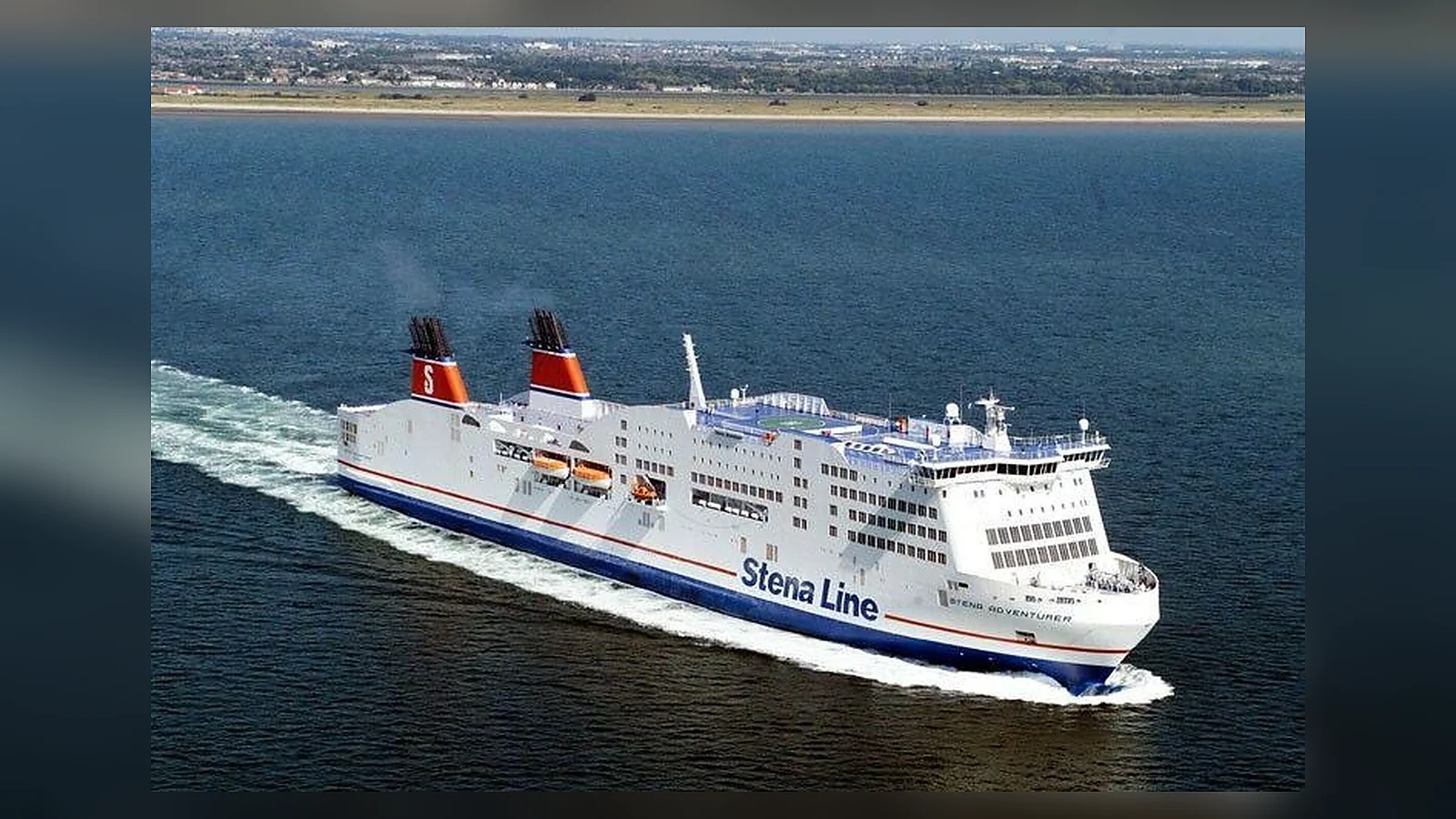
Stena Line publishes a standard crossing of about 3 hours 15 minutes. Irish Ferries combines conventional cruise ferries with selected Dublin Swift fast-ferry sailings, so the quickest bookable journeys can be around 2 hours 15 minutes while cruise-ferry timings are longer.

Both operators carry cars, motorcycles and larger leisure vehicles, and both support foot-passenger travel. When comparing prices, include the whole party, vehicle dimensions and any pet, lounge or accommodation options rather than comparing only the headline fare.

Holyhead is directly connected to the A55 across North Wales, while Dublin Port sits close to the city centre and Ireland’s M50/M1 road network. This makes the route useful both for city breaks and for motorists continuing elsewhere in Ireland.

If your journey begins farther south in Wales, Fishguard–Rosslare or Pembroke–Rosslare may reduce the drive to the departure port. Travellers heading to Northern Ireland can also compare Liverpool–Belfast or the Cairnryan routes.

2 direct operators

Ferry operators from Holyhead to Dublin

Compare the direct operators for crossing time, ship facilities, passenger rules and fare flexibility before booking.

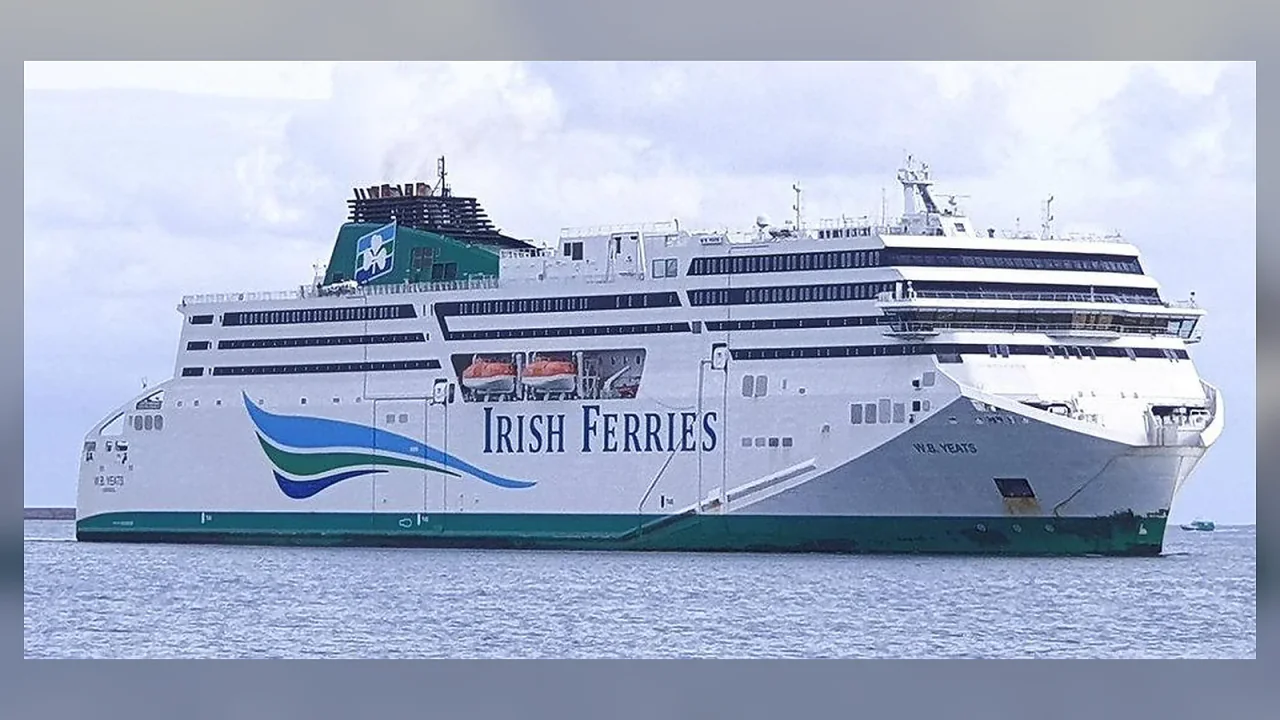
Irish Ferries passenger ferryIrish Ferries

Cruise ferries plus selected faster Dublin Swift sailings

Crossing time: from about 2 hours 15 minutes on selected fast-ferry sailings

Irish Ferries operates conventional cruise ferries and selected Dublin Swift fast-ferry services. The fastest option is attractive when timing matters, while the larger cruise ferries offer more space and facilities.

  • Cars, motorcycles and foot passengers
  • Fast-ferry and cruise-ferry choices on selected dates
  • Club Class, food, shopping and pet options
Departure and arrival ports

Holyhead and Dublin ferry ports

Use the operator confirmation for the correct check-in area, terminal instructions and arrival deadline. Port procedures can vary by passenger type and sailing.

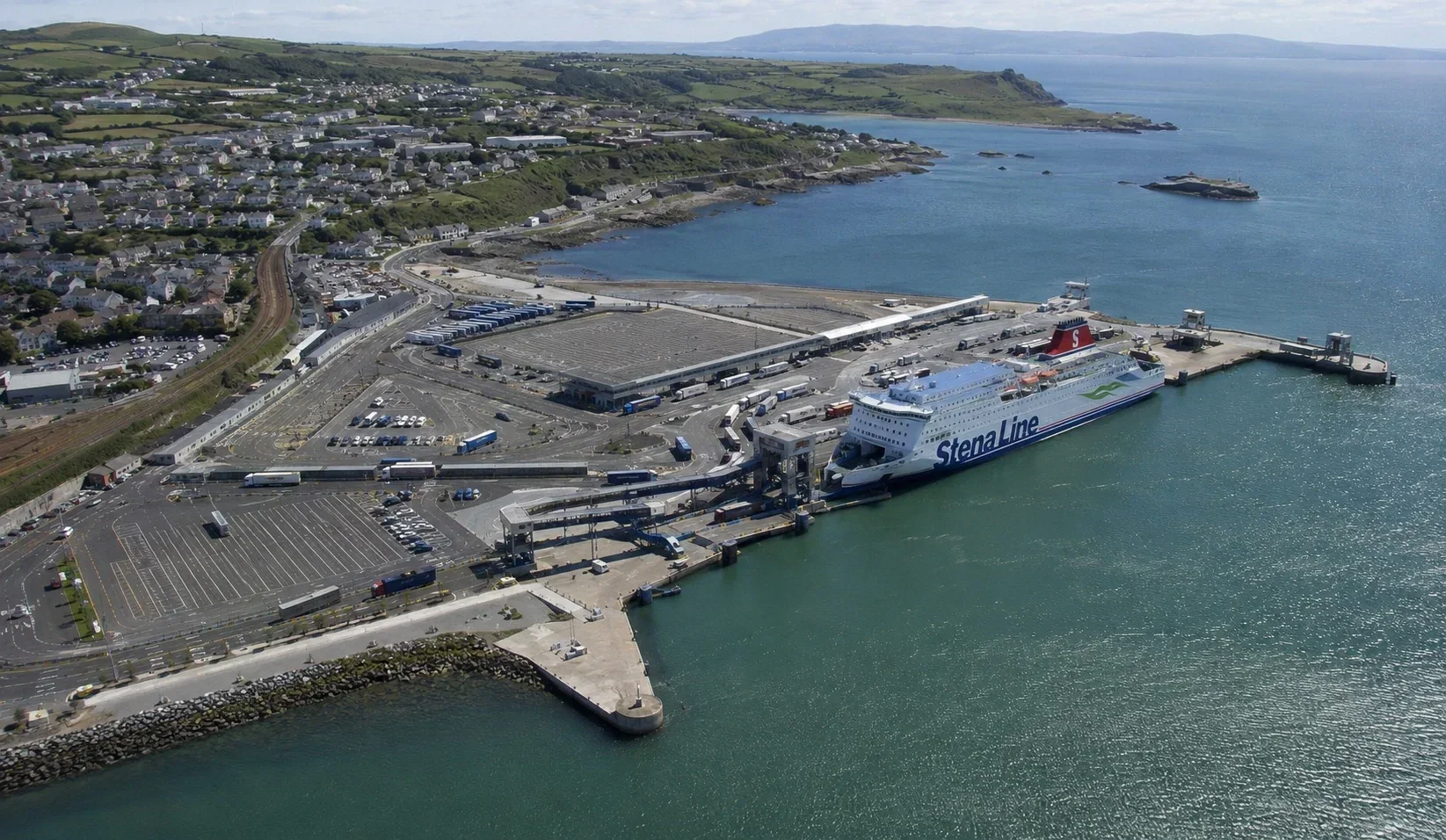
Aerial view of Holyhead ferry terminal and harbour
Wales

Holyhead Ferry Port

Holyhead ferry port is on Holy Island at the western end of Anglesey. The A55 provides the main road approach across North Wales, while Holyhead railway station is integrated with the port complex for rail connections.

  • A55 road connection across North Wales
  • Rail station beside the ferry terminal
  • Check the operator-specific foot-passenger and vehicle check-in deadline
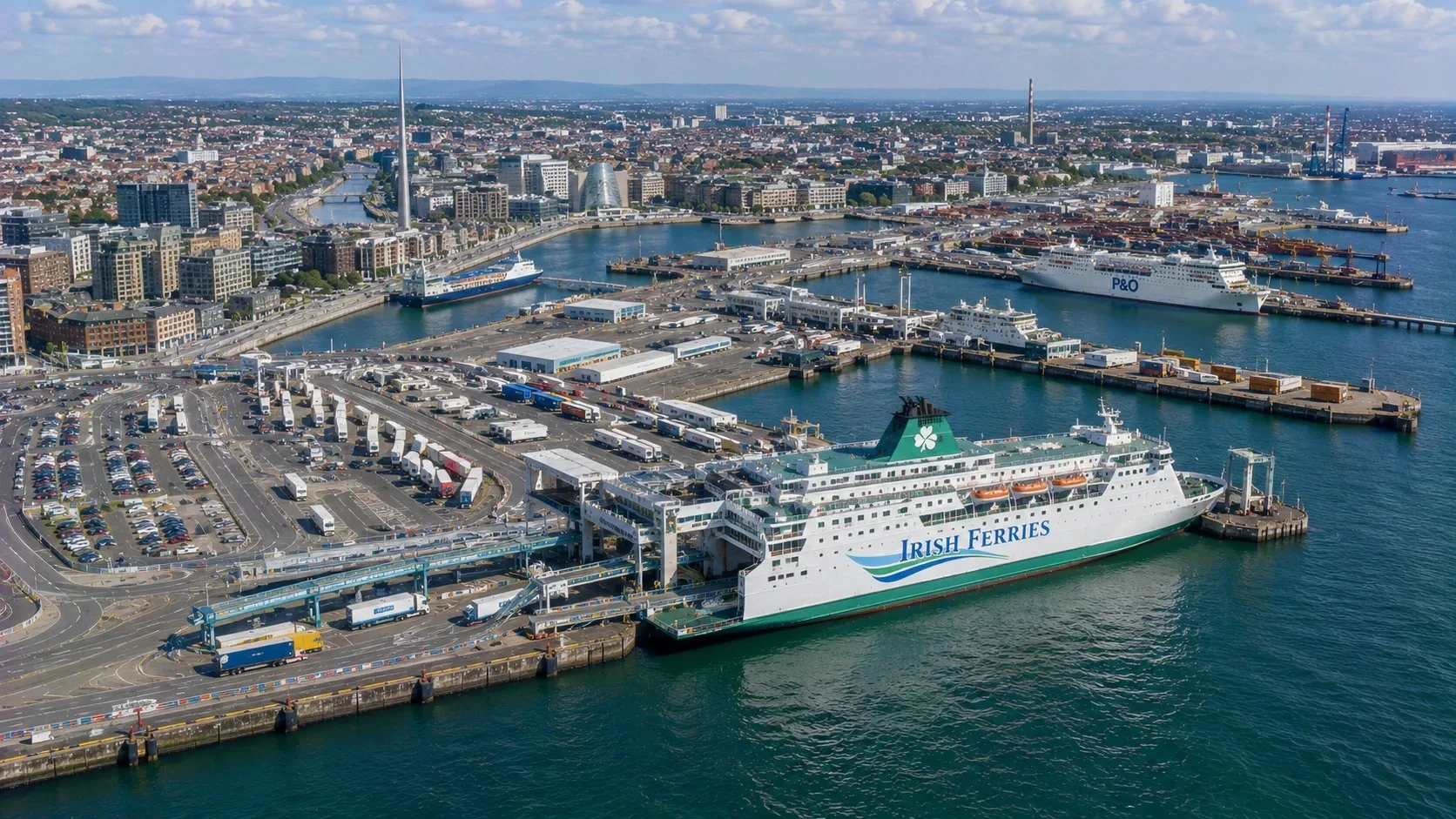
Aerial view of Dublin ferry port and city waterfront
Ireland

Dublin Ferry Port

Dublin Ferryport is close to central Dublin and the Dublin Port Tunnel, giving direct road access towards the M50 and M1. Public transport links connect the terminal area with the city.

  • Close to Dublin city centre
  • Port Tunnel links quickly to the M50 and M1
  • Allow time for terminal transfer arrangements when travelling on foot
Britain and Ireland travel information

Identification, the Common Travel Area and vehicle documents

British and Irish citizens benefit from the Common Travel Area, but ferry companies still have identification rules and other nationalities remain subject to immigration requirements. Check the carrier requirements for every passenger before departure.

Passport and identification

Since 28 September 2026, Irish Ferries requires every passenger on Dublin–Holyhead and Rosslare–Pembroke, in either direction, to carry a valid passport or Irish passport card. This includes British and Irish citizens and children. Other photo ID is no longer accepted on these Irish Ferries services. Check other operators’ requirements separately.

Vehicle documents

Carry the driving licence and vehicle documents appropriate to your journey. If the vehicle is hired or leased, make sure you have permission to take it across the Irish Sea.

Different rules for other nationalities

The Common Travel Area gives specific rights to British and Irish citizens. Other passengers should check the Irish and UK entry or visa rules that apply to their nationality and residence status.

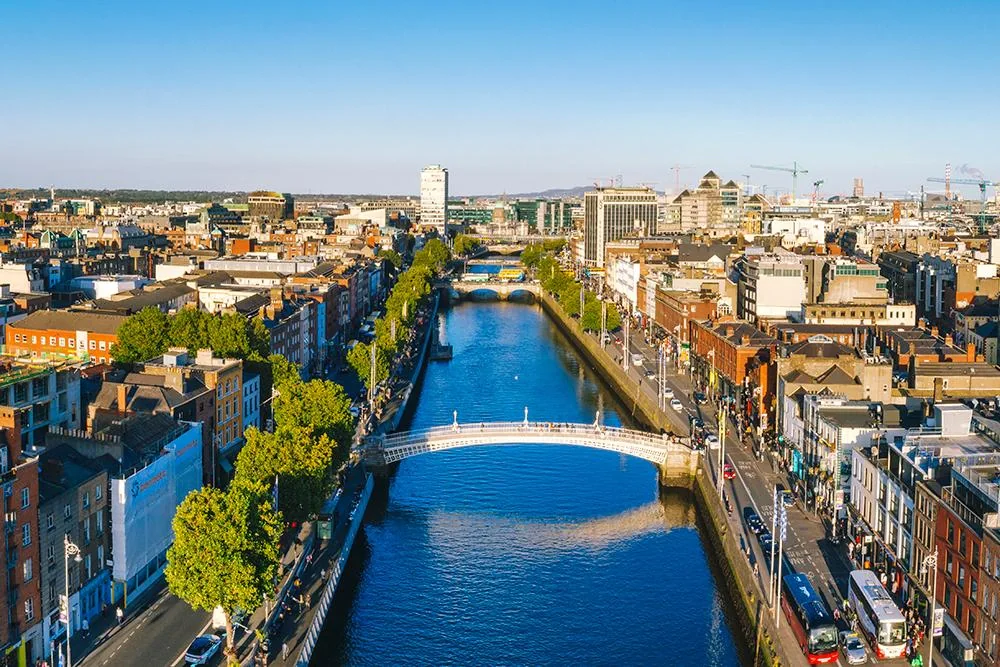
Dublin city and waterfront in Ireland
After arriving in Ireland

Arrive close to Dublin and Ireland’s main road network

Dublin works equally well as a city-break arrival and as a gateway to the rest of Ireland. The M50 orbital route connects quickly with motorways towards Belfast, Galway, Cork and the south-east.

Dublin city Belfast & the north Galway Wicklow Ireland road trips

For journeys to Wexford or Waterford, the Rosslare routes may reduce driving after arrival. For Northern Ireland, compare Belfast and Larne services from Scotland or Liverpool.

Compare Ferry Routes
Compare before you book

Alternative ferry routes

The shortest sea crossing is not always the best overall journey. Compare departure port, sailing length, operator and onward travel after arrival.

Common planning questions

Holyhead to Dublin ferry FAQs

How long is the ferry from Holyhead to Dublin?

Stena Line publishes about 3 hours 15 minutes. Irish Ferries also operates selected faster Dublin Swift sailings, while its cruise-ferry crossings take longer.

Which ferry companies sail from Holyhead to Dublin?

Stena Line and Irish Ferries both currently operate direct passenger and vehicle ferries between Holyhead and Dublin.

Can I travel as a foot passenger?

Yes. Both Stena Line and Irish Ferries accept foot passengers on the route, subject to the selected sailing and booking availability.

Can I take a car, caravan or motorhome?

Yes. Both operators carry vehicles. Enter the correct total length and height when comparing fares.

Is there a fast ferry from Holyhead to Dublin?

Irish Ferries operates Dublin Swift on selected sailings. Fast-ferry availability is seasonal and date-dependent, so check the live booking result.

Can I take my pet?

Yes, with advance booking. Pet accommodation and access rules differ by operator and assigned ship.

Do British citizens need a passport to travel to Dublin?

Since 28 September 2026, Irish Ferries requires every passenger on Dublin–Holyhead and Rosslare–Pembroke, in either direction, to carry a valid passport or Irish passport card. This includes British and Irish citizens and children. Other photo ID is no longer accepted on these Irish Ferries services. Check other operators’ requirements separately.

Which route is best for southern Ireland?

If your destination is Wexford, Waterford or the south-east, compare Fishguard–Rosslare and Pembroke–Rosslare as well as Holyhead–Dublin.

Choosing this crossing for a UK journey

Holyhead–Dublin is the main North Wales connection to Ireland’s capital. The A55 approach can suit travellers from northern and central England as well as Wales, while Holyhead’s railway connection makes foot-passenger planning possible.

Stena Line and Irish Ferries offer distinct ships and fare products. Irish Ferries’ selected fast-ferry sailings should be compared with the cruise-ferry options on the actual travel date, including weather resilience, vehicle dimensions and the transfer after arrival.

Travelling in the other direction?

Dublin to Holyhead ferry guide covers the opposite departure port, arrival arrangements and onward connections.

Departing from Holyhead

Use the terminal or pier named on your operator confirmation. The published departure is the sailing time; check-in and vehicle acceptance close earlier. If reaching Holyhead by train or bus, allow for the transfer from the station to the harbour and for luggage handling.

  • A55 road connection across North Wales
  • Rail station beside the ferry terminal
  • Check the operator-specific foot-passenger and vehicle check-in deadline

Holyhead destination and port guide

Arriving in Dublin

Start your onward itinerary at the actual landing point in Dublin. Leave time to unload before a timed collection, train or island bus. If the ferry arrives late in the day, check the final public-transport departure or arrange a transfer in advance.

  • Close to Dublin city centre
  • Port Tunnel links quickly to the M50 and M1
  • Allow time for terminal transfer arrangements when travelling on foot

Dublin destination and port guide

Documents for this Irish Sea journey

The Republic of Ireland is outside the Schengen Area. Common Travel Area rights do not replace the ferry company’s check-in rules. From 28 September 2026 Irish Ferries and Stena Line require valid passports on their Britain–Republic of Ireland routes; Irish Ferries also specifies its accepted Irish passport-card option. Check the policy for every passenger, including children, and for your nationality.

Read the UK ferry documents guide

Planning the wider journey in Ireland

Compare the arrival port with the part of Ireland you intend to visit. Dublin, Rosslare, Cork, Belfast and Larne are separate gateways, and local island ferries are additional journeys with their own tickets.

Planning advice for the journey from Britain

Passengers, vehicles and the fare

Select the correct passenger category before comparing Holyhead to Dublin fares. A passenger-only boat cannot take a car, and a vehicle ferry may still have limited bicycle or foot-passenger availability. The travel modes shown in the facts panel should be checked against the specific sailing.

For a vehicle booking, give the full height and length including a roof box, rear rack or trailer. Where accommodation is offered, check whether a cabin or seat is required and whether meals are included. Request mobility assistance and any pet space before completing the booking, because these can have separate capacity limits.

Prices depend on the date, passenger mix, vehicle and ticket conditions. Compare the complete return cost and the amendment or cancellation terms. No fixed fare on this guide should replace a dated quote.

Car and motorhome planning · Travelling without a car · Taking a pet

Plan with current information

Ready to travel by ferry?

Find Holyhead to Dublin ferry tickets

Compare current sailings, passenger fares, vehicle prices and accommodation, then choose the crossing that works best for your journey.

Compare Prices & Book