


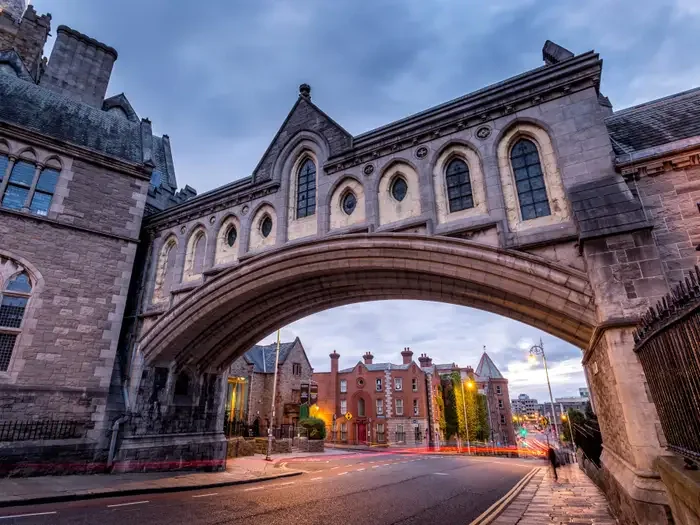
Trinity College
See the historic campus and the Book of Kells experience in the heart of the city.
Plan ferries to and from Dublin in Ireland, with route choices, harbour guidance and ideas for the rest of your journey.
Choose your route, travel dates, passengers and vehicle to compare current sailings and fares. Search all ferry routes.
Check your ports, passengers, vehicle and dates before completing the reservation.
Since 28 September 2026, Irish Ferries requires every passenger on Dublin–Holyhead and Rosslare–Pembroke, in either direction, to carry a valid passport or Irish passport card. This includes British and Irish citizens and children. Other photo ID is no longer accepted on these Irish Ferries services. Check other operators’ requirements separately.
A lively European capital where Georgian streets, literary history and one of Ireland’s busiest ferry ports meet
Dublin is compact enough for a short city break but layered enough to reward a longer stay. The River Liffey divides the centre, with Georgian squares, historic institutions, shopping streets and nightlife all within a relatively small area.
Trinity College and the Book of Kells sit at the heart of the city, while Dublin Castle, Christ Church Cathedral and the streets around Temple Bar provide an easy introduction to the historic core.
The city’s literary and musical identity is just as important as its monuments. Pubs, live music, museums and neighbourhoods such as Stoneybatter or the Liberties give visitors reasons to move beyond the headline attractions.
Dublin Bay adds another dimension. DART rail services make coastal places such as Howth and Dún Laoghaire easy day trips without needing a car.
For ferry travellers, Dublin Port is a major passenger gateway. Irish Ferries and Stena Line operate Irish Sea services, while Irish Ferries also provides direct overnight sailings to Cherbourg in France.
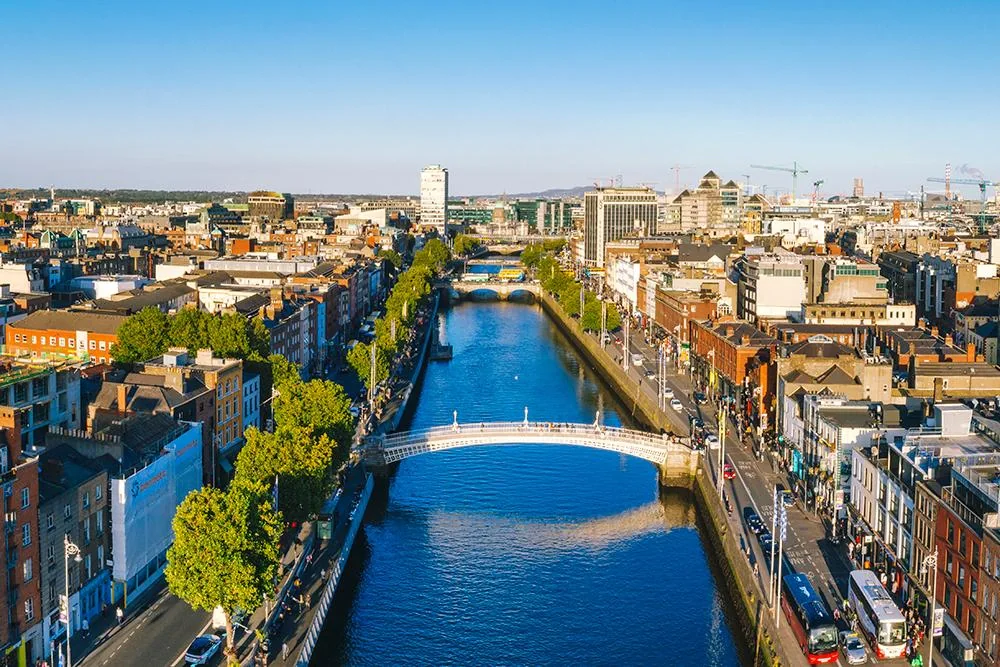
Dublin balances major cultural institutions with neighbourhood pubs, riverside walks and easy coastal escapes.
See the historic campus and the Book of Kells experience in the heart of the city.
Explore a site central to centuries of Irish political and civic history.
Visit one of the city’s best-known attractions in the Liberties district.
Walk the central cultural quarter, then continue into quieter streets for food, shops and pubs.
Explore migration history and modern Dublin close to the River Liffey and port approaches.
Take the DART north for harbour scenery, cliff walks and seafood beside Dublin Bay.
Browse walking tours, food and whiskey experiences, coastal excursions and day trips from Dublin.
Tours and activities displayed in this section are supplied through Viator. Availability, descriptions and prices are provided by the activity supplier and can change.
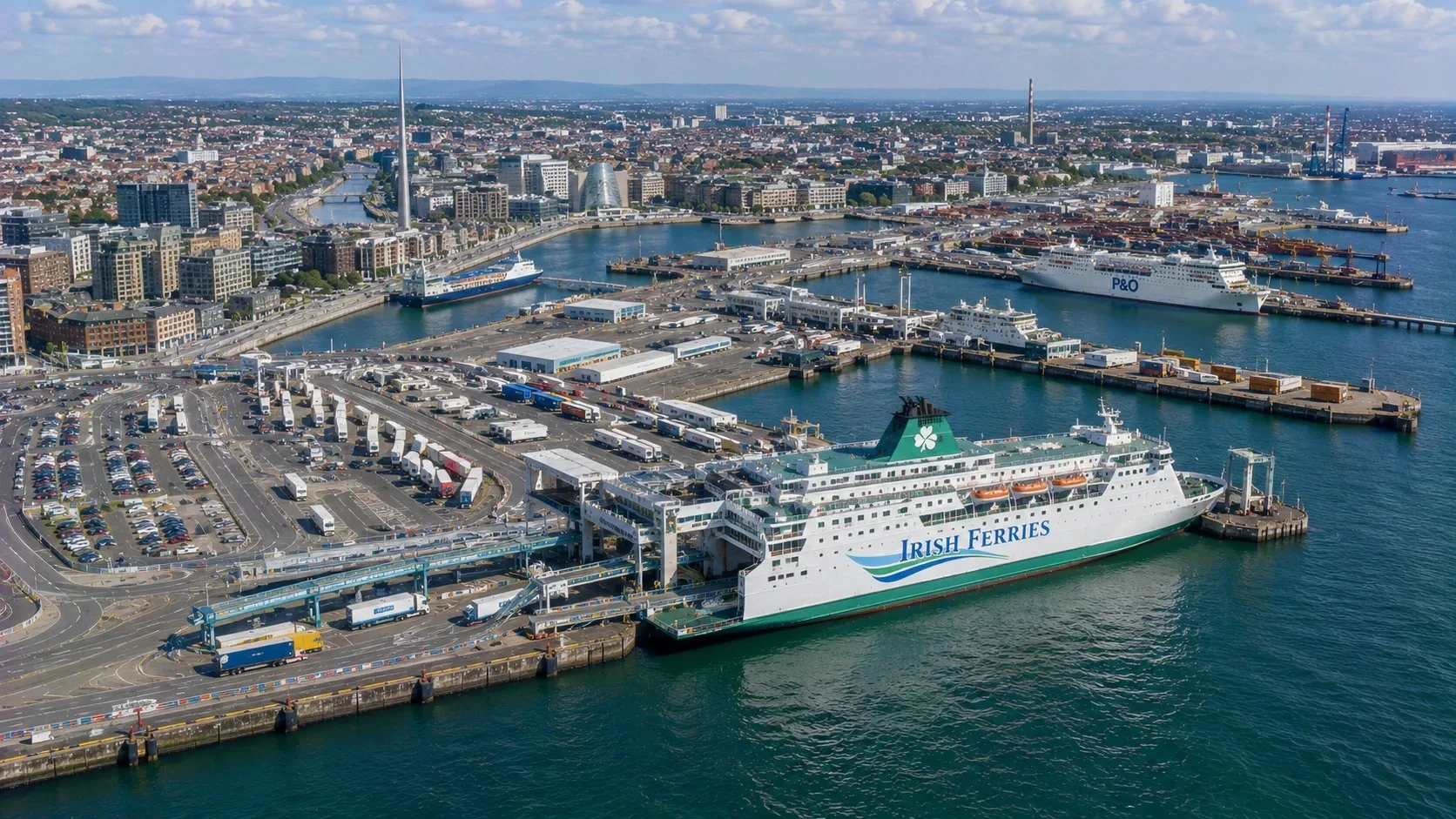
Both foot passengers and vehicles are carried on principal passenger routes. If travelling without a car, check the current bus or operator-transfer arrangements for your specific terminal.
The port lies east of the city centre in the Docklands area. It is too large to treat as a single walk-up quay, so confirm your operator and terminal before travelling and use the transport instructions shown with the booking.
Dublin Port has separate passenger terminals used by different ferry operators. Irish Ferries and Stena Line both serve the Dublin–Holyhead corridor, while Irish Ferries also operates direct overnight sailings between Dublin and Cherbourg.
Dublin is easy to explore by foot and public transport, with rail and DART services connecting the city to the rest of Ireland and Dublin Bay.
Many of the main historic and cultural sights sit within a compact central area on both sides of the Liffey.
Connolly and Heuston handle intercity services, while DART trains are useful for the coast.
Find Dublin rail tickets here...Luas trams and city buses cover areas beyond the walkable centre and provide useful links across the metropolitan area.
The centre suits first-time visitors; Docklands is convenient for the port side of the city, while neighbourhood stays can offer a quieter local feel.
Dublin Port lies east of the city centre and contains separate passenger terminals used by different ferry operators.
Irish Ferries and Stena Line operate major passenger services from Dublin Port.
Principal passenger routes include Holyhead in Wales and direct overnight sailings to Cherbourg in France.
Yes on eligible passenger sailings. Check the current city-to-terminal transport arrangement for your operator.
Trinity College, Dublin Castle, the Guinness Storehouse, central historic streets and Dublin Bay are popular choices.
Yes. Cars, motorcycles and touring vehicles can be carried on suitable Irish Sea and France sailings.
Yes. Dublin is the hub of Ireland’s intercity rail network, with Connolly and Heuston as the principal stations.
Two or three days covers the main city highlights; longer stays allow coastal trips and excursions elsewhere in Ireland.
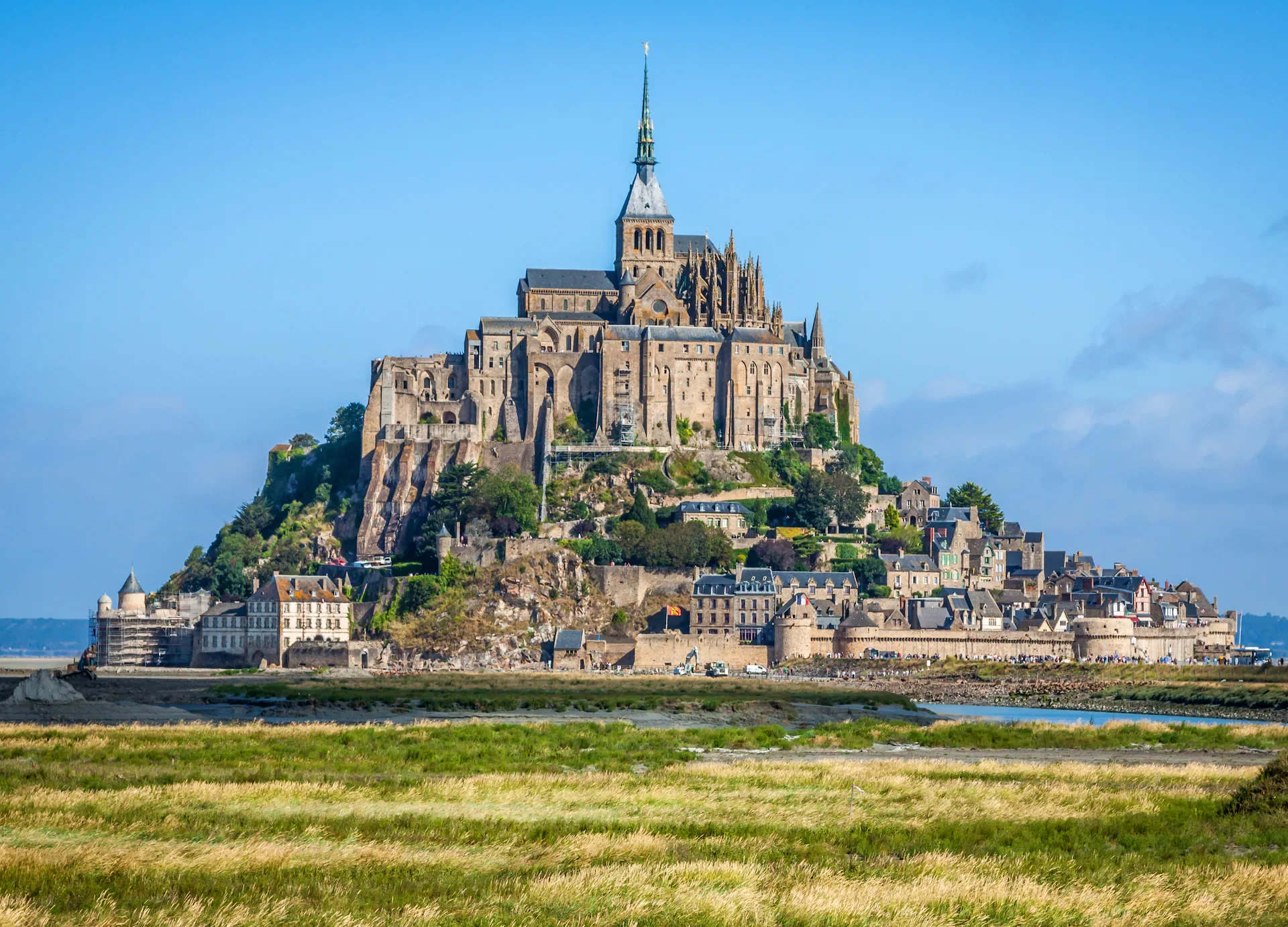
The route catalogue includes departures towards Cherbourg, Douglas, Holyhead. Each direction has its own guide so that you can check the correct starting pier and arrival arrangements. A listed connection may be seasonal, a multi-stop itinerary or a former service; read its service status before making plans.
No matches. Try a different place name or clear the filters.
Irish Ferries
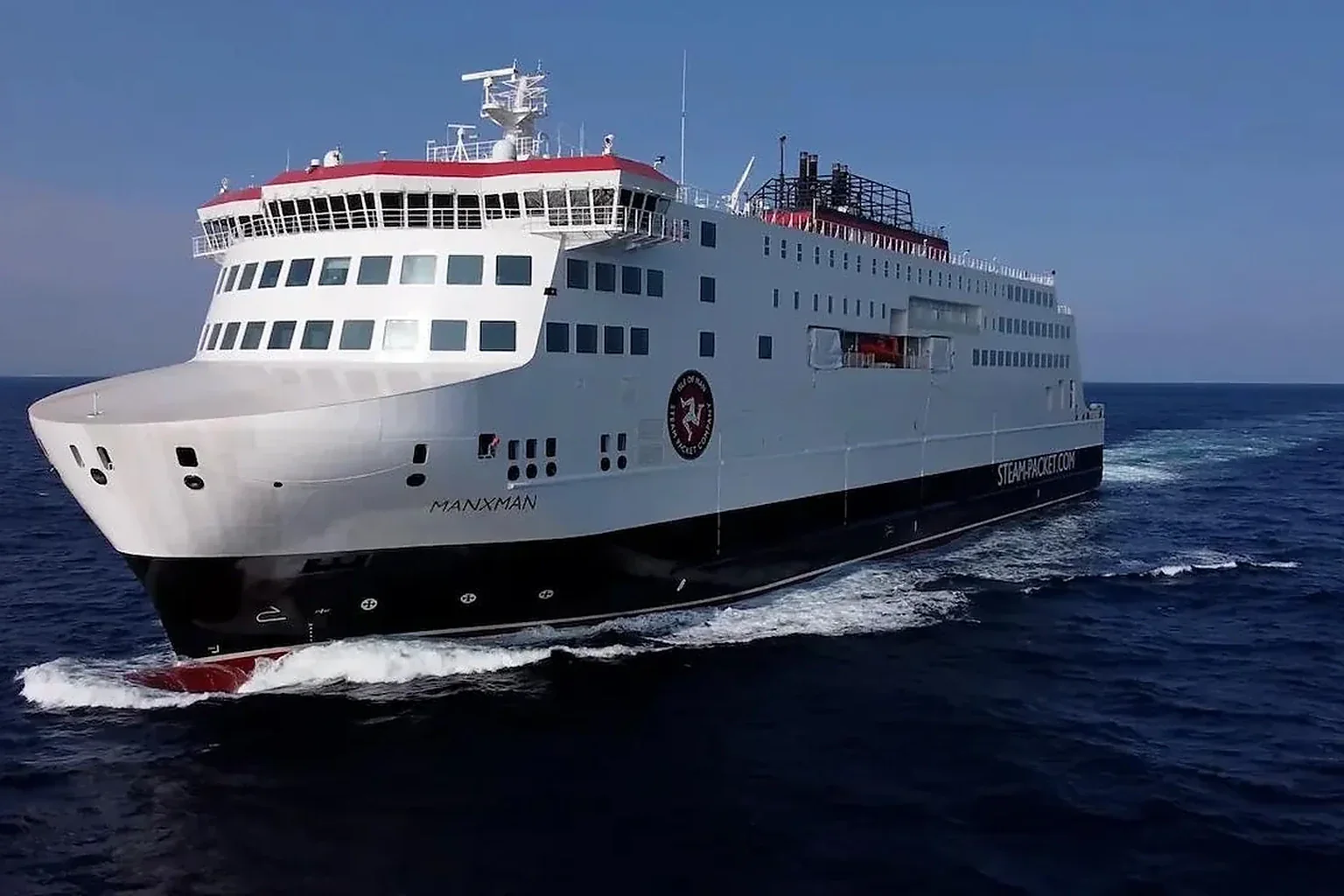
Isle of Man Steam Packet Company
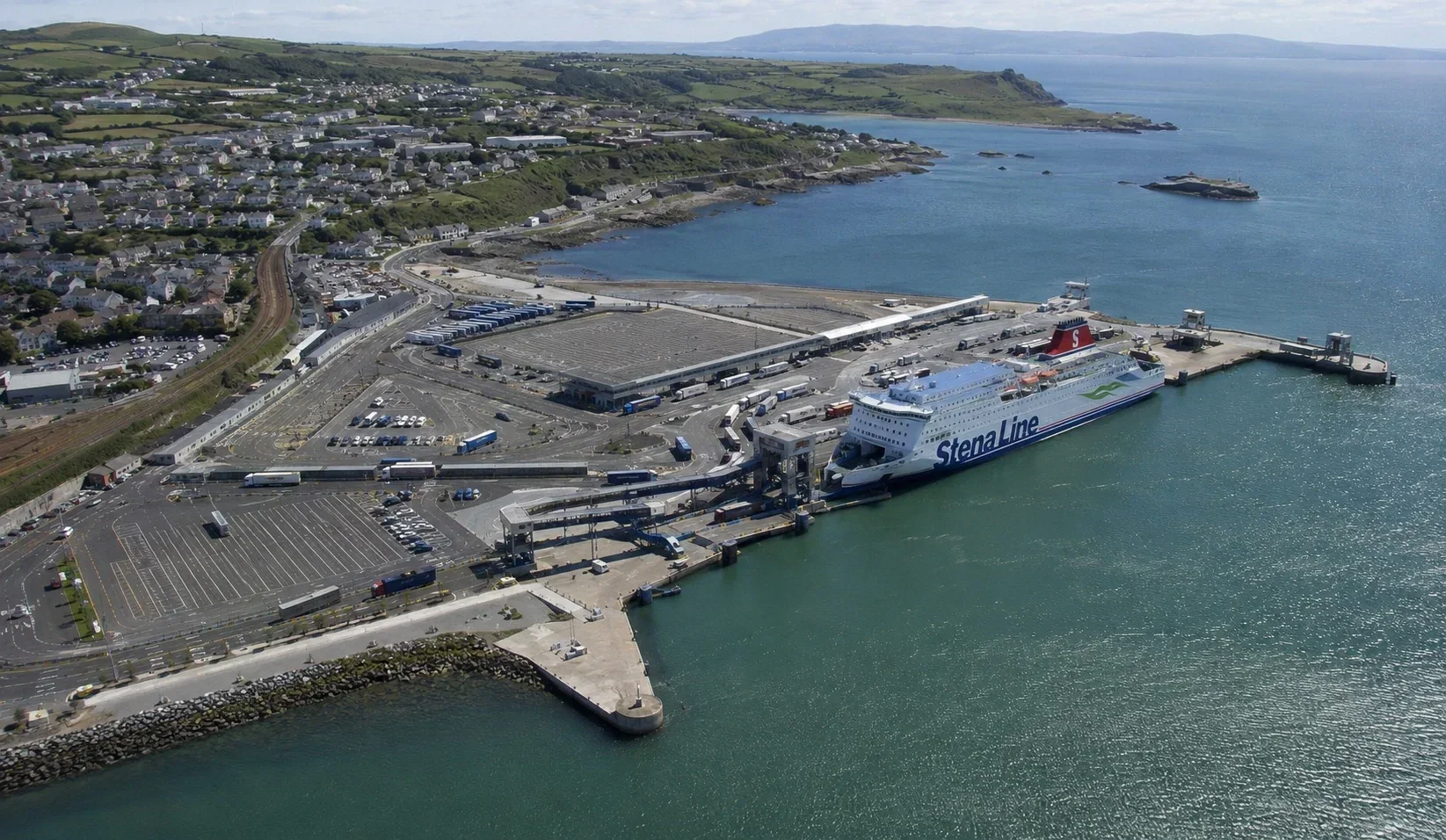
Irish Ferries, Stena Line
Dublin Ferryport is about two miles from the city centre and sits beside the Dublin Port Tunnel, with fast connections to the M50 and M1. Public transport links serve the terminal area.
Pin the precise ferry terminal before travelling to Dublin. Some towns have separate passenger quays, vehicle terminals and excursion-boat landings. The operator’s address on your confirmation is more useful than a town-centre map pin.
For a car journey, leave a margin for the final approach, queueing and check-in. Without a car, confirm the last part of the journey from the railway station or bus stop. A short map distance may involve port roads or areas closed to pedestrians; use a confirmed transfer or walking route.
Keep your booking reference and required documents accessible. If you need step-free boarding, help with luggage or space for a bicycle, arrange it before the day of travel. Small piers and large vehicle terminals can offer very different facilities.
For Dublin and the east, compare Holyhead. Rosslare offers Welsh links and continental services; Cork adds direct routes to France. Belfast and Larne suit Northern Ireland and journeys continuing through the north. A longer sea crossing can be useful when it avoids driving through Britain or reduces the mileage after arrival.
Check your arrival time against accommodation check-in and the next transport service. If this is an island stay, organise the return ferry before fixing a mainland flight or a long-distance train. The outward and return ports do not have to be the same, but separate tickets can have different conditions.
Check live sailing options, passenger fares, vehicle prices and onboard accommodation for your travel dates.


