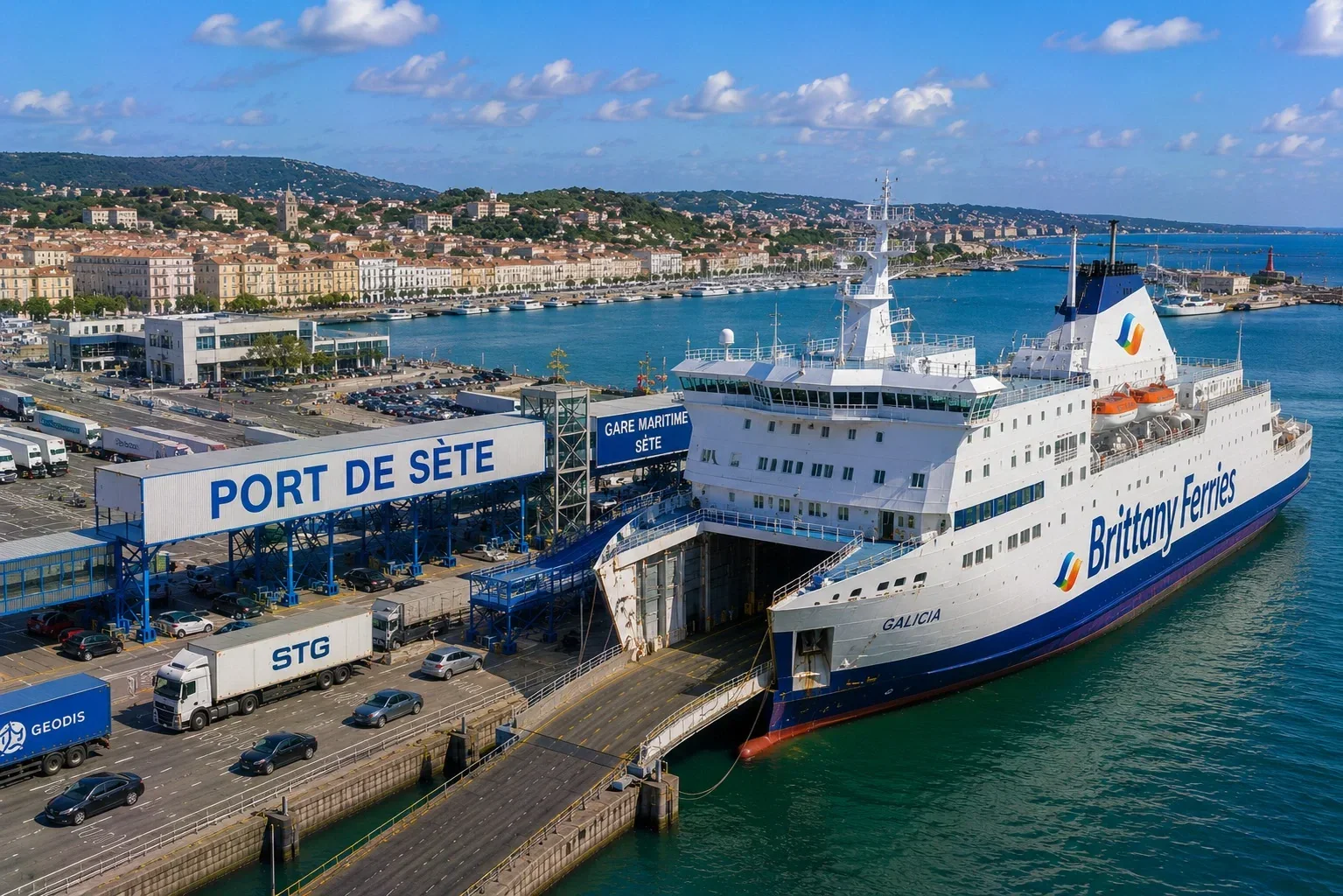
Departing from Sète
Sète is a characterful Mediterranean port city of canals, fishing boats and seafood, with long-distance passenger ferries linking southern France to North Africa.
Sète is built between the Mediterranean and the Étang de Thau, giving the city an unusually watery layout of canals, bridges and working quays. Its fishing identity remains visible throughout the centre rather than being confined to a separate port district.
Mont Saint-Clair rises above the city and is the best place for orientation. From the viewpoints near the summit, the panorama stretches across Sète’s rooftops, the lagoon, long beaches and the narrow coastal strip towards Agde.
The central canals are made for slow exploration. Cafés, fish restaurants and market streets sit close to the quays, while Les Halles is a good place to sample shellfish, local produce and the city’s famous tielle sétoise.
West of the centre, a long band of Mediterranean beach provides a completely different pace. Cycling and walking routes make it easy to combine a city stay with time on the sand without leaving Sète.
The wider Étang de Thau area is known for oyster and mussel farming, and villages such as Bouzigues make rewarding short excursions for travellers with extra time before a ferry.
Sète’s international ferry operations are more demanding than a short European crossing. Routes to Morocco and Algeria involve passport and customs formalities, so travellers should allow the substantial check-in time specified by the operator and verify entry documents well before departure.
Use the terminal or pier named on your Corsica Ferries confirmation. The published departure is the sailing time; check-in and vehicle acceptance close earlier. If reaching Sète by train or bus, allow for the transfer from the station to the harbour and for luggage handling.
- Occitanie Mediterranean port
- A9 corridor access
- Selected Corsica sailings
Sète destination and port guide



 Long / overnight crossing
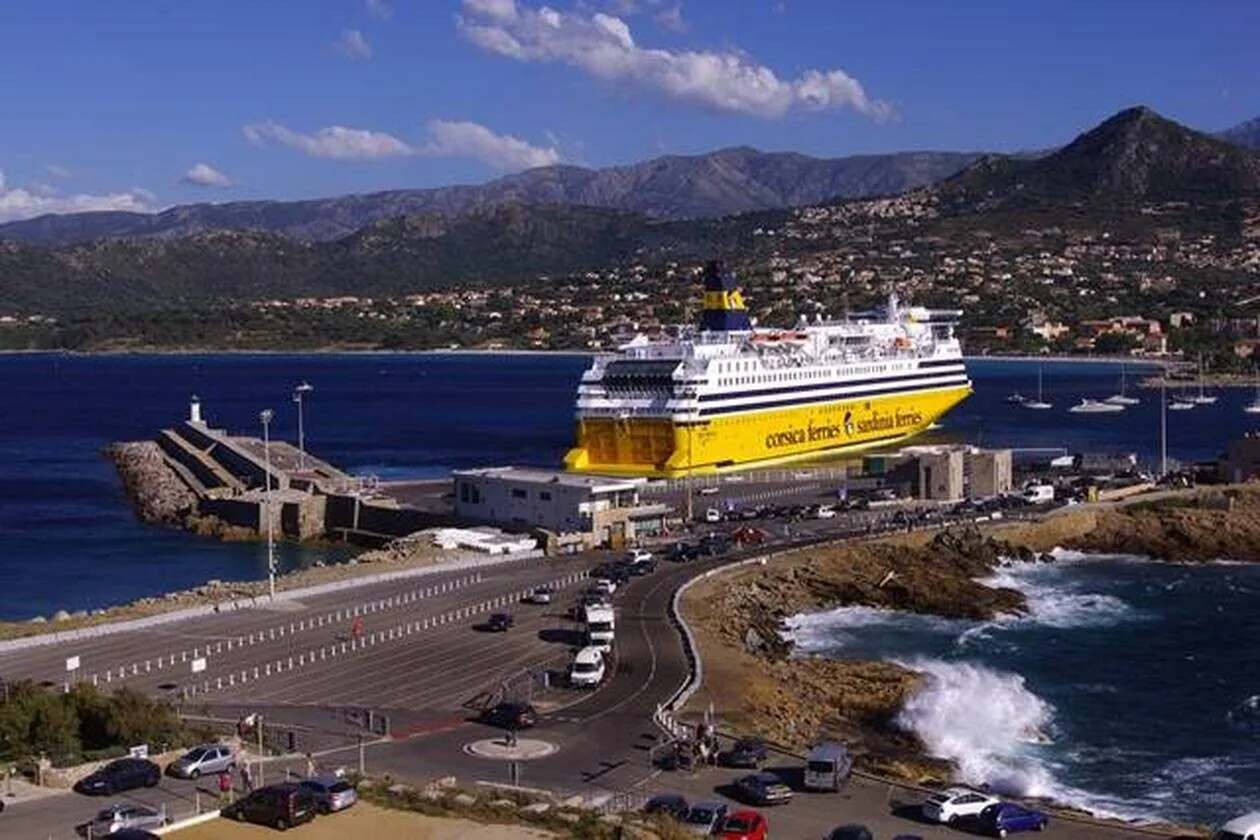
 Corsica Ferries
 Selected 2026 sailings
 Foot passengers and vehicles
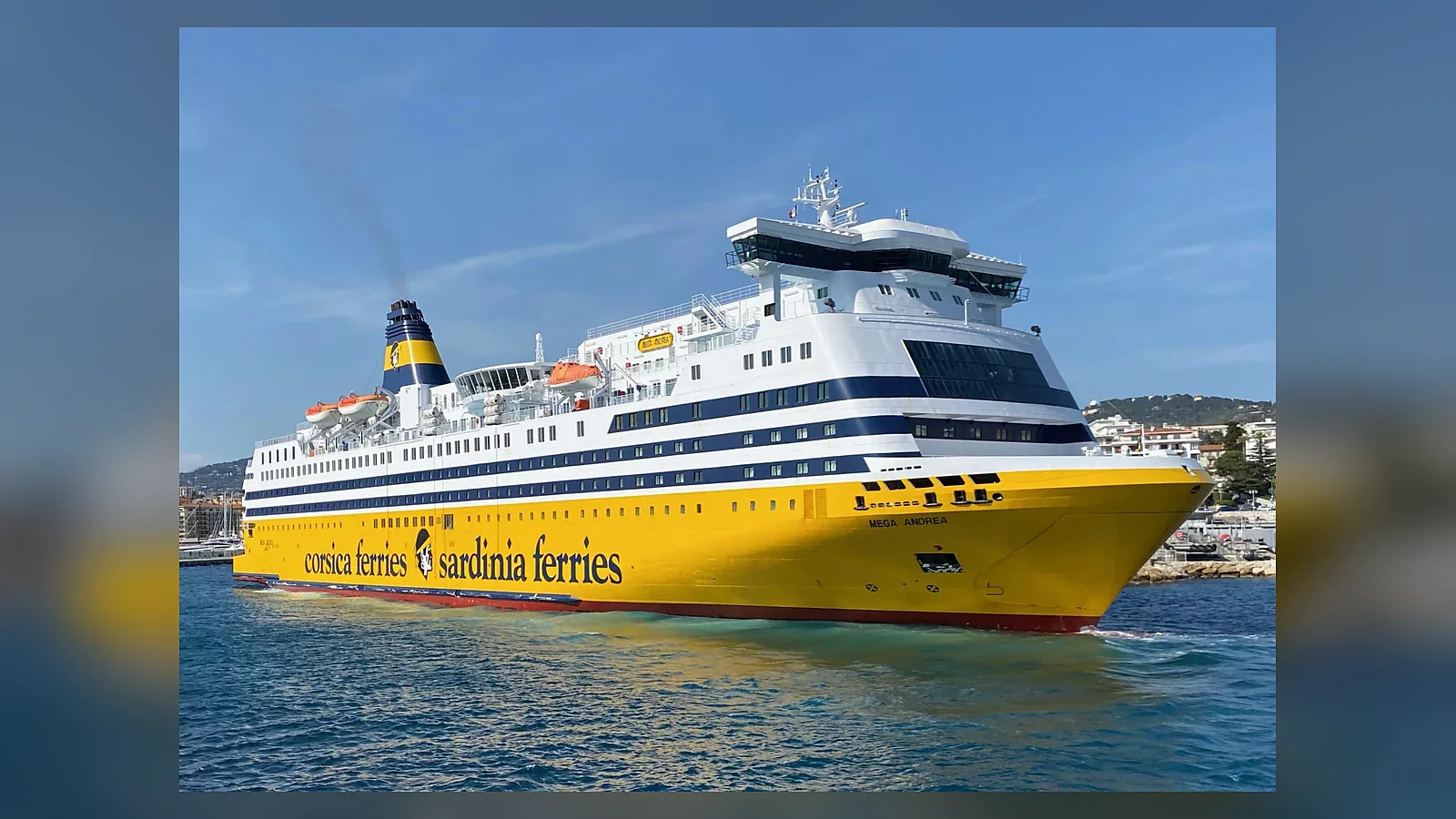 Corsica Ferries