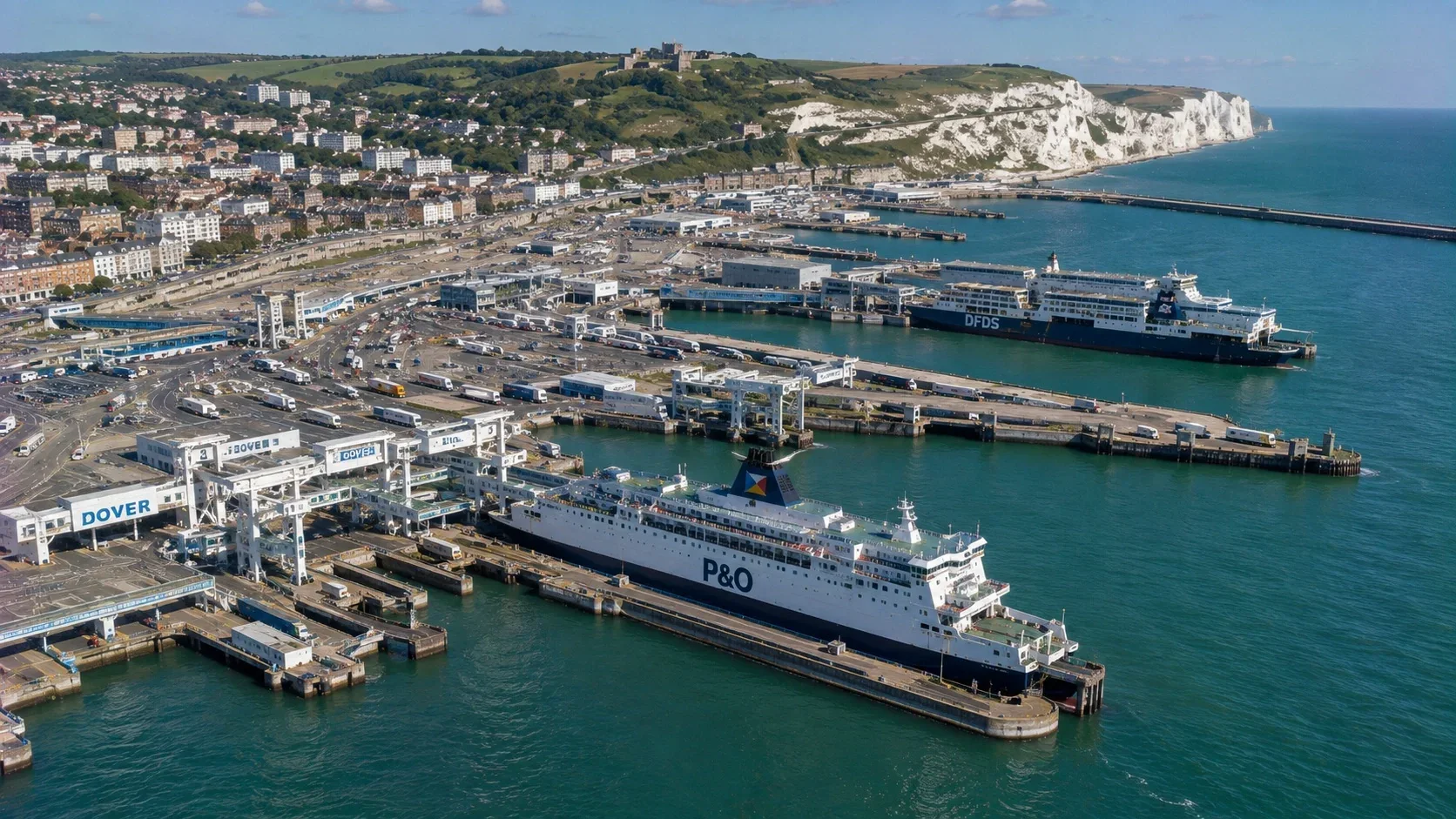
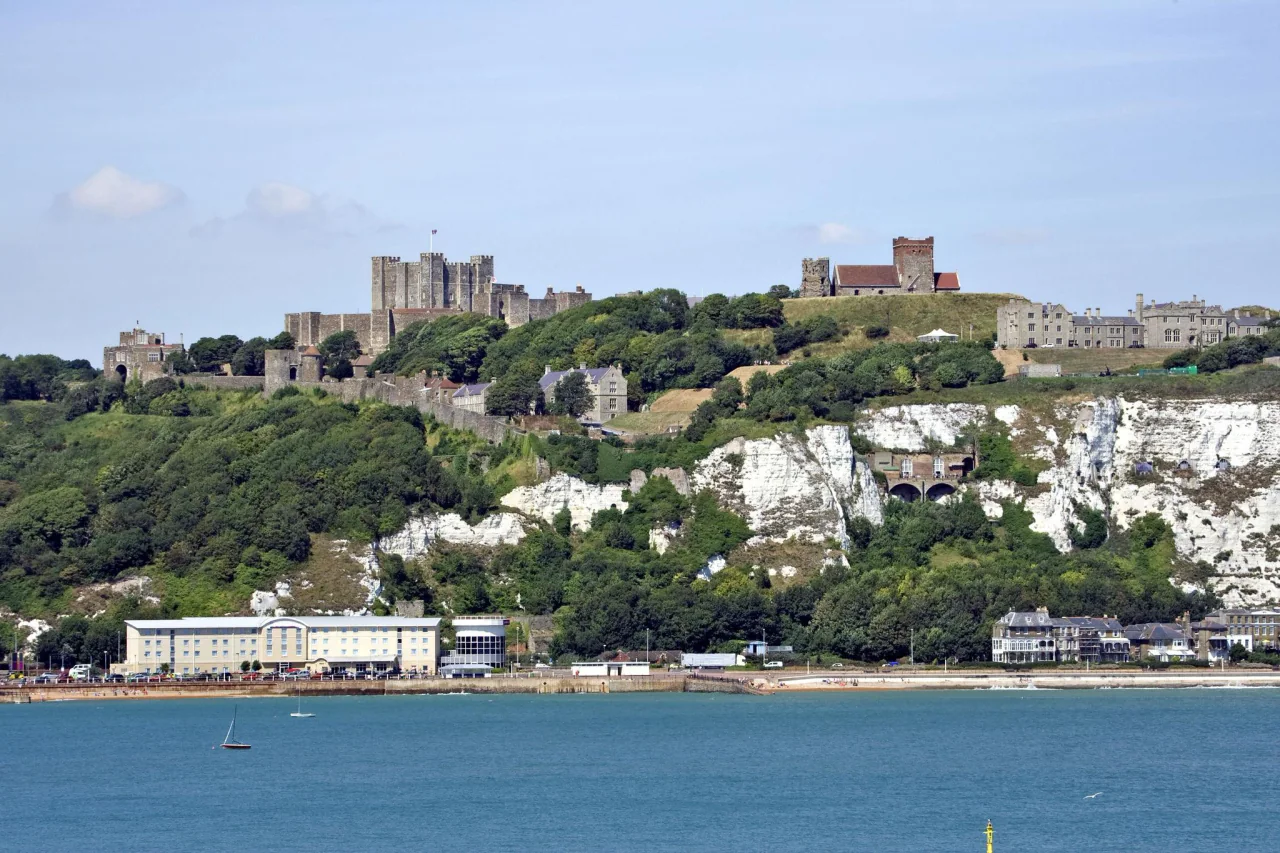
Aerial view of Dover ferry port, ferries and the White Cliffs of Dover
United Kingdom → France

Dover to Calais Ferry

Plan the crossing from Dover to Calais, with departure-port details, DFDS, Irish Ferries, P&O Ferries and onward travel after arrival.

About 90–100 minutes 3 ferry operators Cars & motorhomes Foot travel with P&O
FerryEU booking search

Compare Dover to Calais tickets

Choose your route, travel dates, passengers and vehicle to compare current sailings and fares. Route selected: Dover to Calais. Search all ferry routes.

Check your ports, passengers, vehicle and dates before completing the reservation.

The English Channel crossing

A fast ferry link from Britain to continental Europe

Dover to Calais is one of Europe’s most important short-sea passenger routes. It is particularly useful for motorists who want to drive straight into France, Belgium, the Netherlands or beyond without the baggage limits and vehicle-hire arrangements associated with flying.

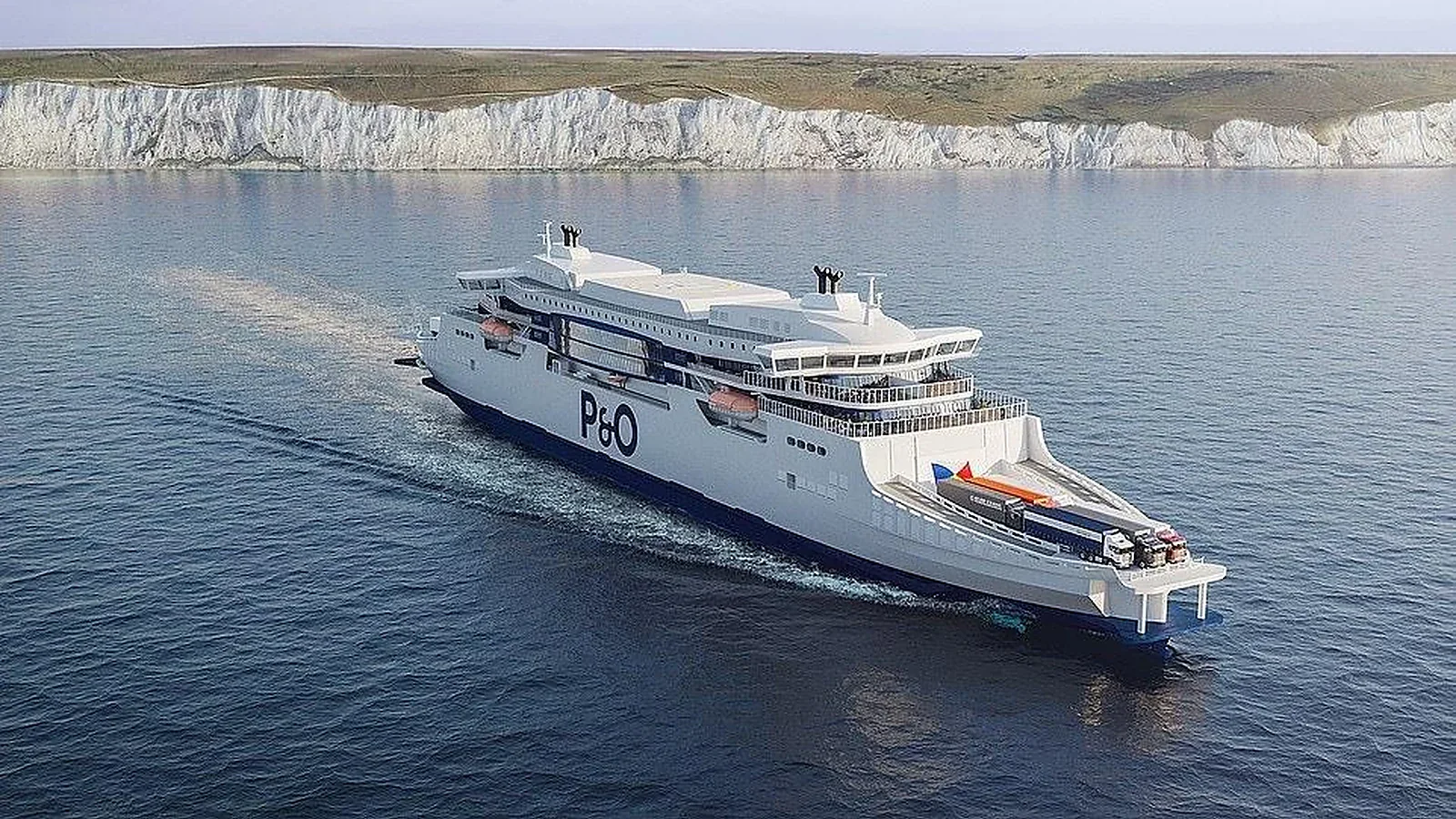
Three ferry companies currently serve Calais from Dover: P&O Ferries, DFDS and Irish Ferries. The scheduled sea crossing is typically about 90 to 100 minutes, although the full journey through check-in, border controls, loading and disembarkation takes longer.

For most travellers the best ticket is not simply the lowest headline fare. Compare the departure time, operator flexibility, passenger facilities, vehicle dimensions, pet arrangements and the total price for everyone travelling.

Dover sits at the narrowest part of the English Channel and is particularly convenient for self-drive holidays, touring trips and journeys where taking your own car makes onward travel easier. After leaving the ferry terminal in Calais, the French motorway network provides straightforward connections towards Lille, Paris, Belgium and destinations farther into continental Europe.

Because three operators compete on the same short crossing, it is worth comparing more than one departure. A sailing a little earlier or later can offer a different fare, ticket flexibility or onboard experience while adding very little to the overall route.

Three ways to cross

Ferry operators from Dover to Calais

All three companies carry vehicles, but their passenger rules, crossing times, ticket flexibility and onboard facilities differ. Compare the sailing that best matches your complete journey.

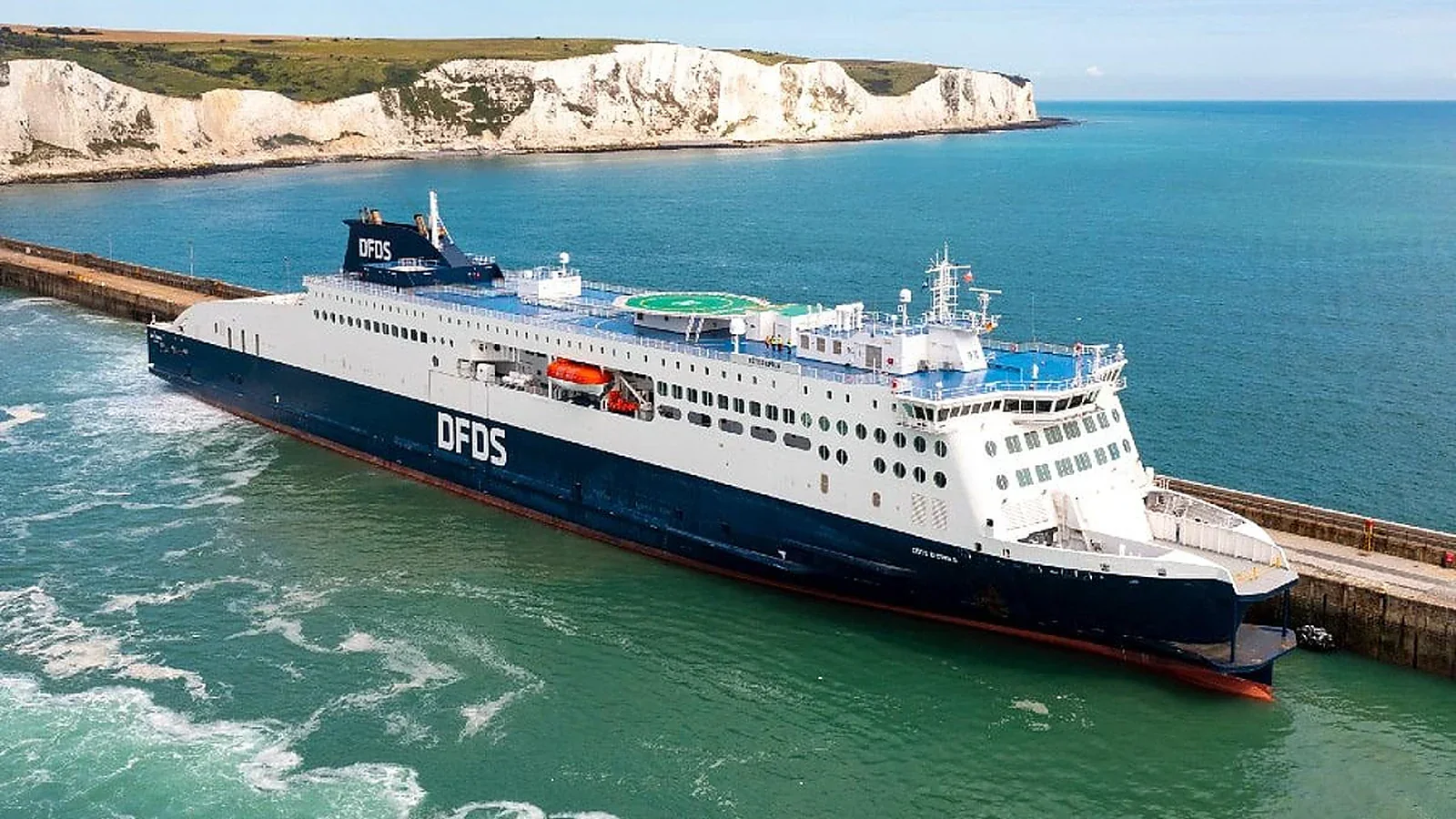
DFDS passenger ferry DFDS

Vehicle-focused crossing with frequent daily departures

Crossing time: about 100 minutes (1 hr 40 min)

DFDS publishes a 100-minute Dover–Calais crossing and operates services throughout the day. On this route passengers must travel with a vehicle; foot passengers are not accepted.

  • Cars, motorcycles, bicycles and larger vehicles
  • No foot-passenger travel on Dover–Calais
  • Pets can travel when booked with a vehicle
Irish Ferries passenger ferry Irish Ferries

Motorist and motorcycle sailings across the Channel

Crossing time: about 90 minutes

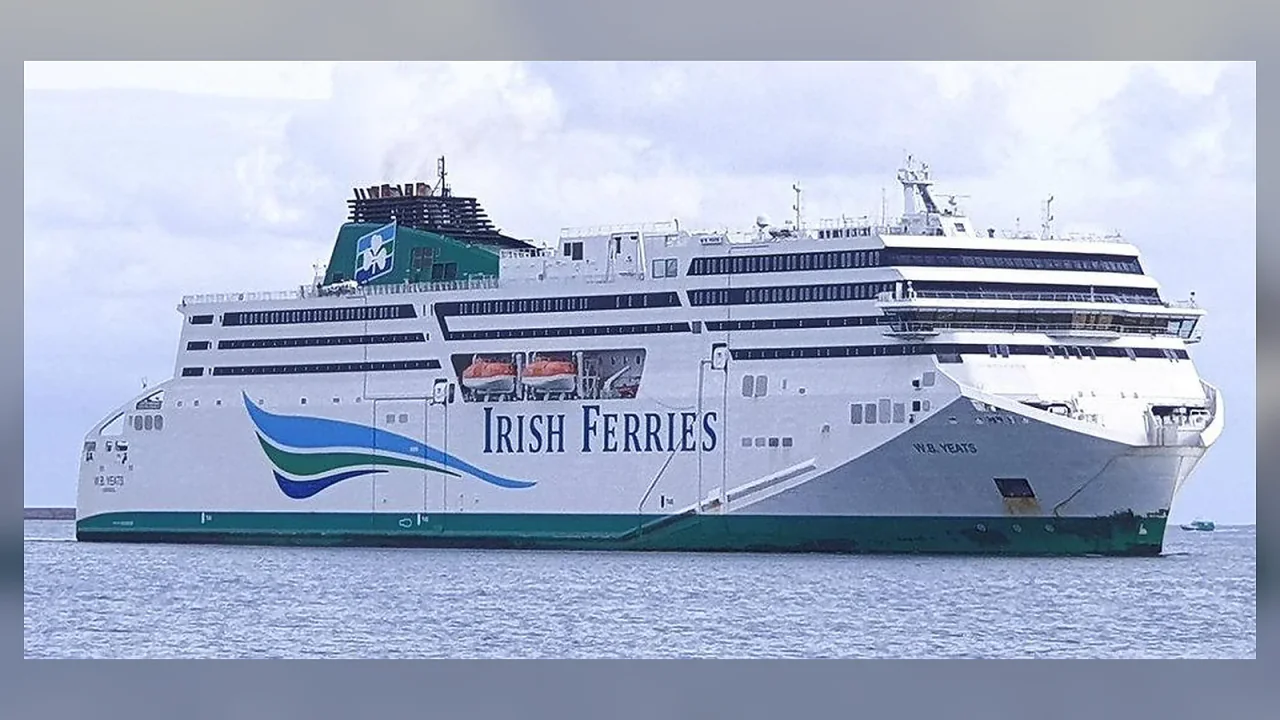
Irish Ferries operates the route with vessels including Oscar Wilde and Isle of Inishmore. Its Dover–Calais offers are primarily aimed at motorists and motorcyclists.

  • Cars and motorcycles with flexible fare options
  • Pet arrangements for motorists and motorcyclists
  • Club Class and onboard food, drink and shopping
Departure and arrival ports

Dover and Calais ferry ports

Both ports are purpose-built for high-volume cross-Channel traffic. Your operator confirmation remains the best source for the correct check-in lane, terminal instructions and arrival time.

Dover Castle and the white chalk cliffs above the English Channel
England

Dover Ferry Port

Dover’s ferry operation uses the Eastern Docks. Vehicle passengers follow the signed check-in and border-control lanes, while foot passengers use the Passenger Terminal and are transferred by shuttle to the ship.

  • Passenger facilities include food outlets, toilets and free Wi-Fi
  • Pet exercise areas are available within the ferry terminal
  • The Port of Dover advises that there is no public long-stay parking inside the port; use an appropriate off-site provider if leaving a vehicle
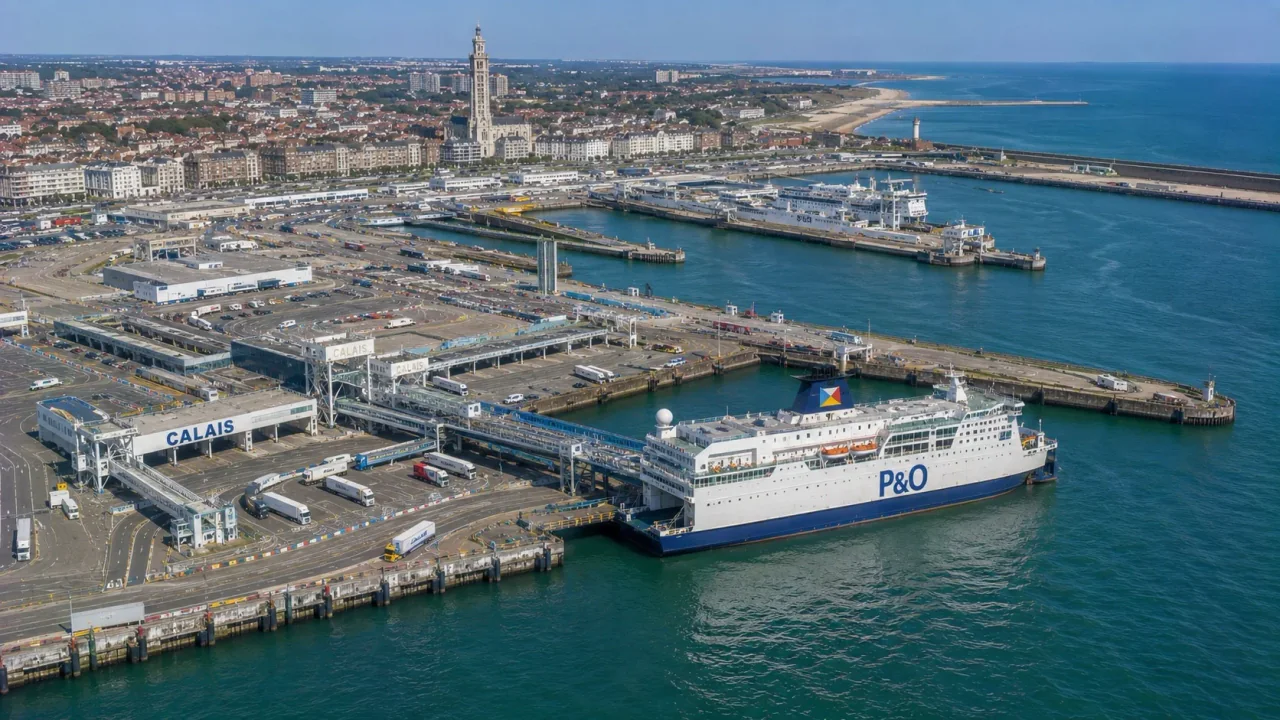
Aerial view of Calais ferry port with passenger ferry, loading lanes and Calais waterfront
France

Calais Ferry Port

Calais has a large modern ferry terminal divided between the historic and newer port areas, with high-capacity vehicle processing and double-deck ship loading. Road connections make it a practical starting point for journeys across northern France and into neighbouring countries.

  • Follow your operator’s signs and lane instructions on arrival
  • Foot-passenger travel is currently available through P&O Ferries and should be booked online in advance
  • Allow time after disembarkation for onward road conditions and local traffic
UK to France travel information

Passports, border checks and driving documents

Dover–Calais is an international border crossing. Every passenger should carry the documents required for their nationality and journey, and motorists should prepare the vehicle paperwork needed for driving in France and elsewhere in Europe.

Passport validity

For a British citizen visiting France, GOV.UK states that the passport must have been issued less than 10 years before arrival and normally expire at least three months after the planned departure from the Schengen area.

Driving in France

UK motorists should carry a valid driving licence and the appropriate vehicle document, such as the V5C or a VE103 for a hired or leased vehicle. Check insurance, number-plate identifier and local equipment requirements before departure.

Border-process changes

European Entry/Exit System procedures are being introduced at external Schengen borders. The Port of Dover’s local process for tourist traffic continues to evolve, so check the latest port and operator advice shortly before travel.

Calais town centre and its distinctive town hall tower
After arriving in France

Use Calais as a gateway to northern France and beyond

Calais is useful for far more than a short visit to the coast. With your own vehicle you can continue into northern France, Belgium, the Netherlands, Luxembourg or Germany without changing transport mode.

Lille & northern France Belgium & Bruges Paris region Netherlands Germany

If the final destination is east of Calais, compare the Dover–Dunkirk ferry as well. A slightly longer sea crossing can sometimes reduce the onward drive.

Compare Ferry Routes to France
Compare before you book

Alternative ferries from the UK to France

Dover–Calais is the fastest conventional ferry choice for many road trips, but another crossing may put you closer to your final destination.

Common planning questions

Dover to Calais ferry FAQs

How long is the ferry from Dover to Calais?

The scheduled sea crossing is typically about 90 to 100 minutes depending on the operator and sailing. P&O Ferries and Irish Ferries advertise crossings of about 90 minutes, while DFDS publishes a 100-minute crossing. Check-in, border controls, loading and disembarkation add to the total journey time.

Which ferry companies sail from Dover to Calais?

P&O Ferries, DFDS and Irish Ferries currently operate Dover to Calais ferry services. Compare all three where possible because departure times, flexibility, onboard facilities and the total fare can differ.

Can I travel as a foot passenger from Dover to Calais?

Yes, but the choice is limited. P&O currently carries foot passengers on selected sailings and requires advance online booking. DFDS does not accept foot passengers on Dover–Calais, while current Port of Calais guidance identifies P&O as the foot-passenger option.

Can I take a car, motorhome, motorcycle or caravan?

Yes, subject to the vehicle categories and deck space offered by the selected operator. Enter the correct overall length and height, including roof boxes, bicycle carriers, trailers and other additions, so the booking price and loading allocation are correct.

Can I take my dog or other pet?

Yes, with advance booking and the correct travel arrangement. DFDS requires pets to travel with a vehicle on this route. P&O does not permit pets with foot passengers. Irish Ferries provides pet arrangements for motorists and motorcyclists. Health and entry-document rules must also be met.

How early should I arrive at Dover?

Use the check-in deadline on your operator confirmation because it varies by company and passenger type. P&O currently advises vehicle passengers to arrive at least 60 minutes before departure and foot passengers at least 90 minutes before departure. Other operators and passenger types have their own deadlines, and border-processing arrangements can change, so always use the current booking confirmation and Port of Dover advice.

Do I need a passport for Dover to Calais?

Yes, you need valid travel documents for the UK–France border. British citizens should check the current France entry requirements before travel, including Schengen passport-validity rules and the 90-days-in-180 visa-free limit where applicable.

Why does the timetable make the crossing look longer?

Calais is normally one hour ahead of Dover and operators publish departure and arrival times in local time. A 90-minute sailing can therefore appear to arrive two and a half hours after the Dover clock time even though the actual crossing is much shorter.

Choosing this crossing for a UK journey

The Dover–Calais corridor suits a self-drive journey when frequent departures and a short sea crossing matter. Calais gives access to northern France and onward routes towards Belgium, the Netherlands and Germany; it is less direct for western Brittany than a western Channel arrival.

P&O Ferries, DFDS and Irish Ferries offer different passenger and fare arrangements on this corridor. Foot passengers should check P&O’s eligible sailings: a car-ferry route does not automatically accept walk-on travel with every operator. Compare the total for your party and vehicle, then add the check-in and border-control time.

Travelling in the other direction?

Calais to Dover ferry guide covers the opposite departure port, arrival arrangements and onward connections.

Departing from Dover

Use the terminal or pier named on your operator confirmation. The published departure is the sailing time; check-in and vehicle acceptance close earlier. If reaching Dover by train or bus, allow for the transfer from the station to the harbour and for luggage handling.

  • Passenger facilities include food outlets, toilets and free Wi-Fi
  • Pet exercise areas are available within the ferry terminal
  • The Port of Dover advises that there is no public long-stay parking inside the port; use an appropriate off-site provider if leaving a vehicle

Dover destination and port guide

Arriving in Calais

Start your onward itinerary at the actual landing point in Calais. Leave time to unload before a timed collection, train or island bus. If the ferry arrives late in the day, check the final public-transport departure or arrange a transfer in advance.

  • Follow your operator’s signs and lane instructions on arrival
  • Foot-passenger travel is currently available through P&O Ferries and should be booked online in advance
  • Allow time after disembarkation for onward road conditions and local traffic

Calais destination and port guide

Leaving Britain for Europe

Check the entry requirements for France before booking. For British passport holders visiting Schengen countries, passport issue and expiry dates and the 90-in-180-day short-stay limit are separate checks. Allow extra time for border formalities, and use the carrier’s latest arrival advice. A ferry reservation does not by itself give permission to enter.

Read the UK ferry documents guide

Planning the wider journey in France

Channel arrivals suit different parts of France: Calais and Dunkirk for the north and east, Dieppe for Normandy approaches, and Caen, Cherbourg, St Malo or Roscoff for journeys farther west. Check the motorway and toll itinerary after landing.

Planning advice for the journey from Britain

Passengers, vehicles and the fare

Select the correct passenger category before comparing Dover to Calais fares. A passenger-only boat cannot take a car, and a vehicle ferry may still have limited bicycle or foot-passenger availability. The travel modes shown in the facts panel should be checked against the specific sailing.

For a vehicle booking, give the full height and length including a roof box, rear rack or trailer. Where accommodation is offered, check whether a cabin or seat is required and whether meals are included. Request mobility assistance and any pet space before completing the booking, because these can have separate capacity limits.

Prices depend on the date, passenger mix, vehicle and ticket conditions. Compare the complete return cost and the amendment or cancellation terms. No fixed fare on this guide should replace a dated quote.

Car and motorhome planning · Travelling without a car · Taking a pet

Plan with current information

Ready to cross the Channel?

Find Dover to Calais ferry tickets

Compare current sailings, passenger fares and vehicle prices, then choose the crossing that works best for your journey.

Compare Prices & Book