


Town Hall Square
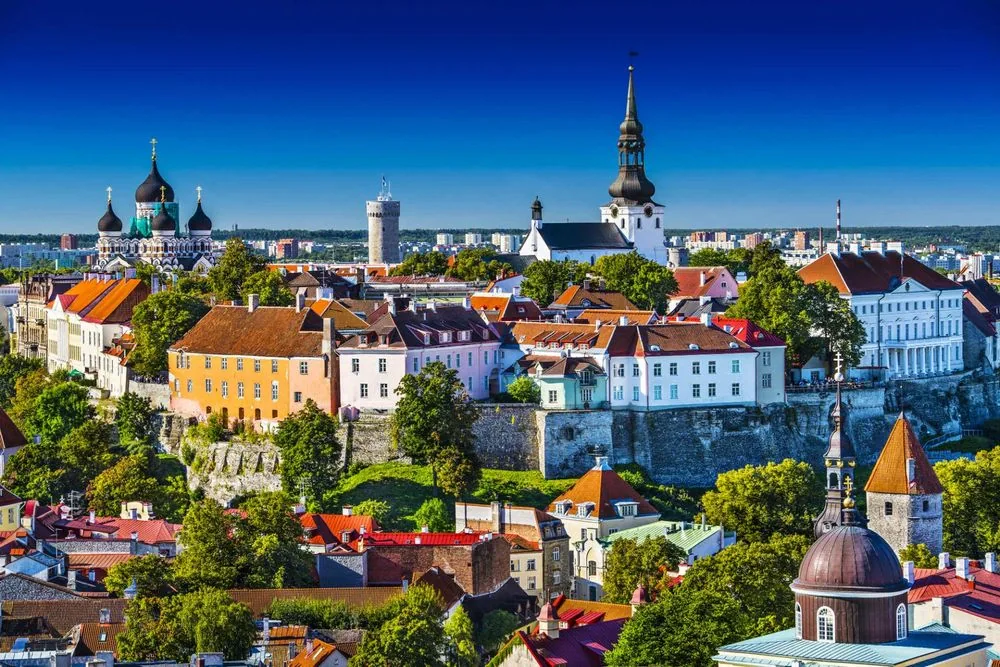
Start in the heart of the old town among colourful façades, cafés and Tallinn Town Hall.
Plan ferries to and from Tallinn in Estonia, with route choices, harbour guidance and ideas for the rest of your journey.
Choose your route, travel dates, passengers and vehicle to compare current sailings and fares. Search all ferry routes.
Check your ports, passengers, vehicle and dates before completing the reservation.
Tallinn is one of Europe’s easiest ferry city breaks, with a remarkably preserved medieval centre and Old City Harbour close enough to reach the historic core on foot.
Tallinn Old Town is the city’s essential experience. Town Hall Square, Toompea, medieval walls and church towers create a compact historic district that rewards unhurried walking and remains atmospheric well into the evening.
For a broader picture of the city, Kalamaja and Telliskivi mix wooden houses, cafés, street art and creative businesses just beyond the old walls. The nearby Balti Jaam Market is a useful stop for local food and everyday city life.
The waterfront has changed rapidly, with promenades and redevelopment linking the passenger port more closely to central neighbourhoods. Kadriorg Park and the Kumu Art Museum are also easy additions by tram or bus.
Tallinn works especially well for a short break without a car. Public transport is straightforward, the airport is close to the centre, and the old town, railway station and ferry terminals are all within a relatively compact urban area.
Ferry traffic is dominated by the Gulf of Finland. Tallink, Viking Line and Eckerö Line operate frequent Tallinn–Helsinki passenger services, while Tallink also provides the longer Stockholm connection on selected days.
Old City Harbour has more than one passenger terminal. Tallink uses Terminal D for its Helsinki and Stockholm traffic, while Eckerö Line uses Terminal A for MS Finlandia. Always check the operator and terminal on the ticket before walking to the port.
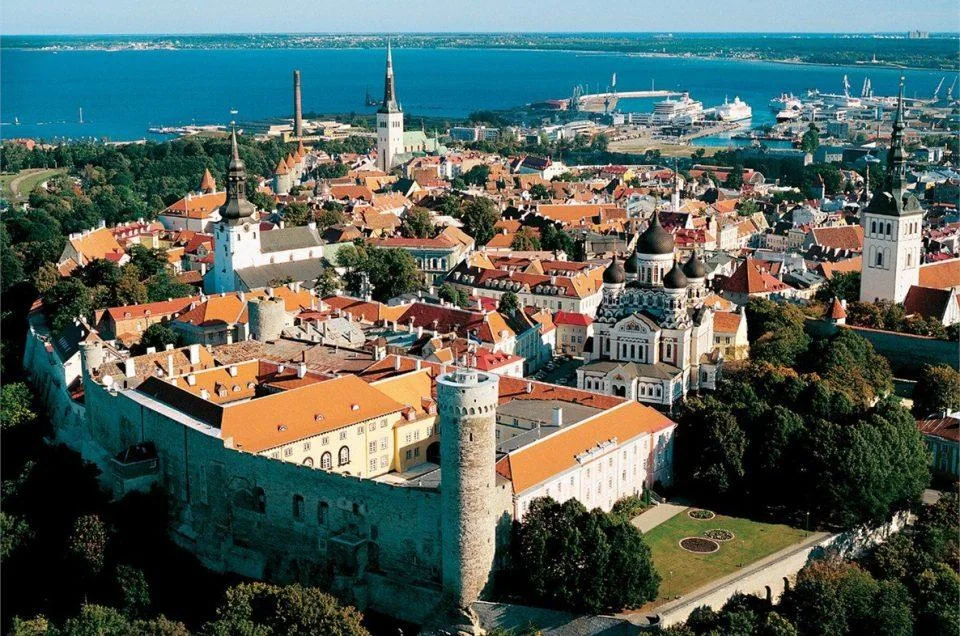
Tallinn blends a beautifully preserved medieval core with creative neighbourhoods, parks and one of the Baltic’s busiest passenger-ferry harbours.
Start in the heart of the old town among colourful façades, cafés and Tallinn Town Hall.
Walk up to castle and cathedral viewpoints overlooking the red roofs and city walls.
Explore surviving towers and sections of the fortifications that once enclosed Tallinn.
Discover design shops, restaurants, street art and cultural spaces west of the old town.
Visit landscaped gardens, Kadriorg Palace and nearby Kumu Art Museum.
Explore the maritime museum in a dramatic former seaplane hangar beside the Baltic.
Browse Tallinn old-town walks, food tours, day trips and Baltic experiences to combine with your ferry journey.
Tours and activities displayed in this section are supplied through Viator. Availability, descriptions and prices are provided by the activity supplier and can change.
Port of Tallinn lists Terminal D at Uus-Sadama 24, with vehicle check-in at Pikksilma 19/2 for Tallink. Tram number 2 stops at Vanasadam near Terminal A, and buses also serve the passenger-port area.
Eckerö Line’s MS Finlandia operates the Tallinn–Helsinki route from Terminal A, while Viking Line also serves Helsinki from Tallinn. The high frequency of Gulf of Finland departures means the terminal shown on your booking matters as much as the departure time.
Tallinn Old City Harbour is Estonia’s main passenger-ferry hub. Tallink’s MyStar, Megastar and other Tallinn ships use Terminal D for the Helsinki route, and Tallink’s Stockholm services also use Terminal D.
Tallinn’s old town and ferry harbour are close together, while trams, buses and rail links make onward travel around Estonia straightforward.
Depending on the terminal, central Tallinn and the medieval old town are within a practical walk from Old City Harbour.
Balti Jaam station serves domestic Estonian rail routes. Find Tallinn rail tickets here...
Tram 2 serves the Vanasadam stop near Terminal A, while buses connect Terminal D and the wider harbour area with the city.
Old Town accommodation maximises atmosphere, Rotermann is convenient between the centre and harbour, while Kalamaja suits travellers who prefer cafés and a more local neighbourhood feel.
Tallinn Old City Harbour has multiple terminals. Tallink uses Terminal D, while Eckerö Line uses Terminal A for MS Finlandia.
Frequent passenger ferries connect Tallinn with Helsinki, while Tallink also operates the longer Tallinn–Stockholm route on selected days.
Tallink Silja Line, Viking Line and Eckerö Line all operate passenger services on the Tallinn–Helsinki corridor.
Yes on applicable vehicle ferries. Vehicle check-in uses dedicated lanes and may be at a different address from the pedestrian terminal entrance.
Fast passenger ferries commonly take around two to two-and-a-quarter hours, depending on operator and sailing.
Explore the Old Town, Toompea, medieval walls, Telliskivi, Kadriorg and the Seaplane Harbour museum.
Yes. Old City Harbour is close to central Tallinn, making the city particularly convenient for foot-passenger ferry breaks.
Advance booking is wise for vehicles, weekends and peak summer departures, even though the Helsinki route has frequent daily sailings.
The route catalogue includes departures towards Helsinki, Stockholm. Each direction has its own guide so that you can check the correct starting pier and arrival arrangements. A listed connection may be seasonal, a multi-stop itinerary or a former service; read its service status before making plans.
Eckerö Line, Tallink Silja Line, Viking Line · Check the selected departure
No matches. Try a different place name or clear the filters.
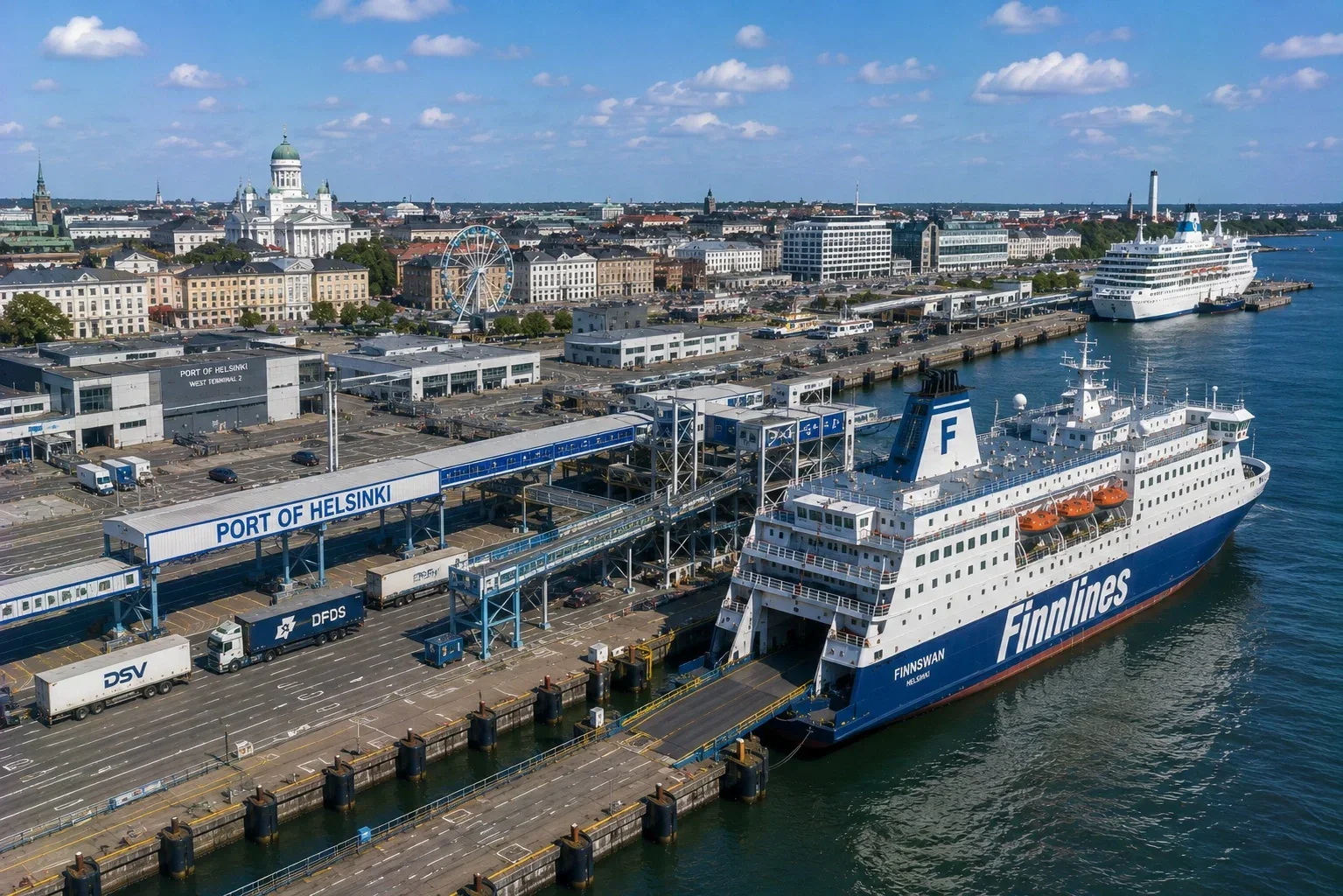
Eckerö Line, Tallink Silja Line, Viking Line
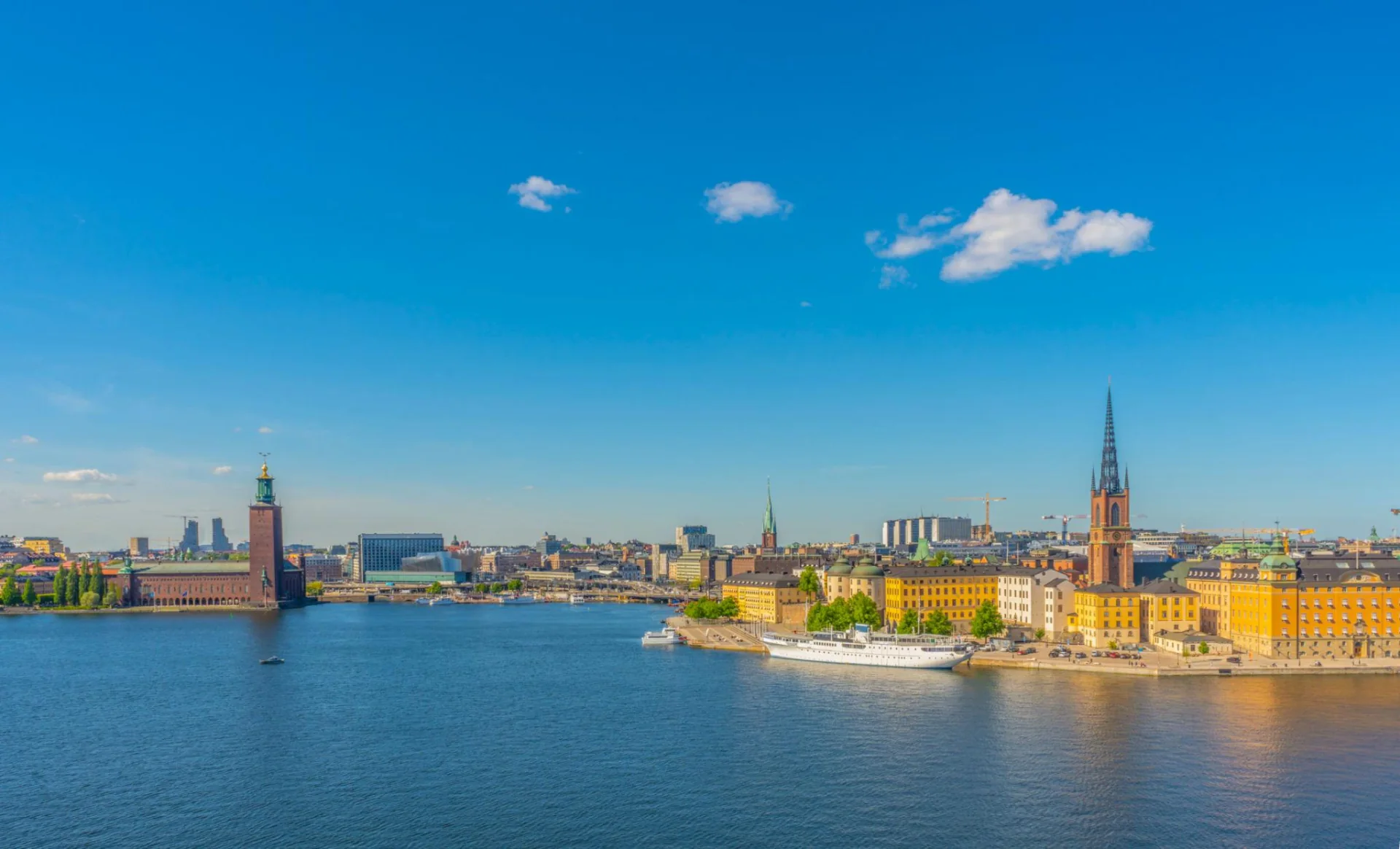
Tallink Silja Line
Tallinn’s Old City Harbour sits close to the historic centre. Tallink, Eckerö Line and Viking Line may use different passenger terminals, all within the wider harbour area.
Pin the precise ferry terminal before travelling to Tallinn. Some towns have separate passenger quays, vehicle terminals and excursion-boat landings. The operator’s address on your confirmation is more useful than a town-centre map pin.
For a car journey, leave a margin for the final approach, queueing and check-in. Without a car, confirm the last part of the journey from the railway station or bus stop. A short map distance may involve port roads or areas closed to pedestrians; use a confirmed transfer or walking route.
Keep your booking reference and required documents accessible. If you need step-free boarding, help with luggage or space for a bicycle, arrange it before the day of travel. Small piers and large vehicle terminals can offer very different facilities.
Plan each sea leg as a separate part of the trip. Check the arrival port, transfer distance, vehicle restrictions and the time before the next sailing. A ticket sold by one company or booking provider does not automatically create a protected connection with another.
Check your arrival time against accommodation check-in and the next transport service. If this is an island stay, organise the return ferry before fixing a mainland flight or a long-distance train. The outward and return ports do not have to be the same, but separate tickets can have different conditions.
European ferries for UK travellers · Detailed planning advice
Check live sailing options, passenger fares, vehicle prices and onboard accommodation for your travel dates.


