


St Mark’s Square
Visit the basilica, Doge’s Palace and iconic waterfront at Venice’s ceremonial centre.
Plan ferries to and from Venice in Italy, with route choices, harbour guidance and ideas for the rest of your journey.
Choose your route, travel dates, passengers and vehicle to compare current sailings and fares. Search all ferry routes.
Check your ports, passengers, vehicle and dates before completing the reservation.
Venice is one of the world’s great historic cities, while the long-distance vehicle ferries to Greece depart from Fusina on the mainland edge of the lagoon rather than from the central tourist waterfront.
St Mark’s Square, the Doge’s Palace and St Mark’s Basilica form Venice’s ceremonial heart. Arriving early in the morning or staying into the evening gives a very different experience from the busiest middle hours of the day.
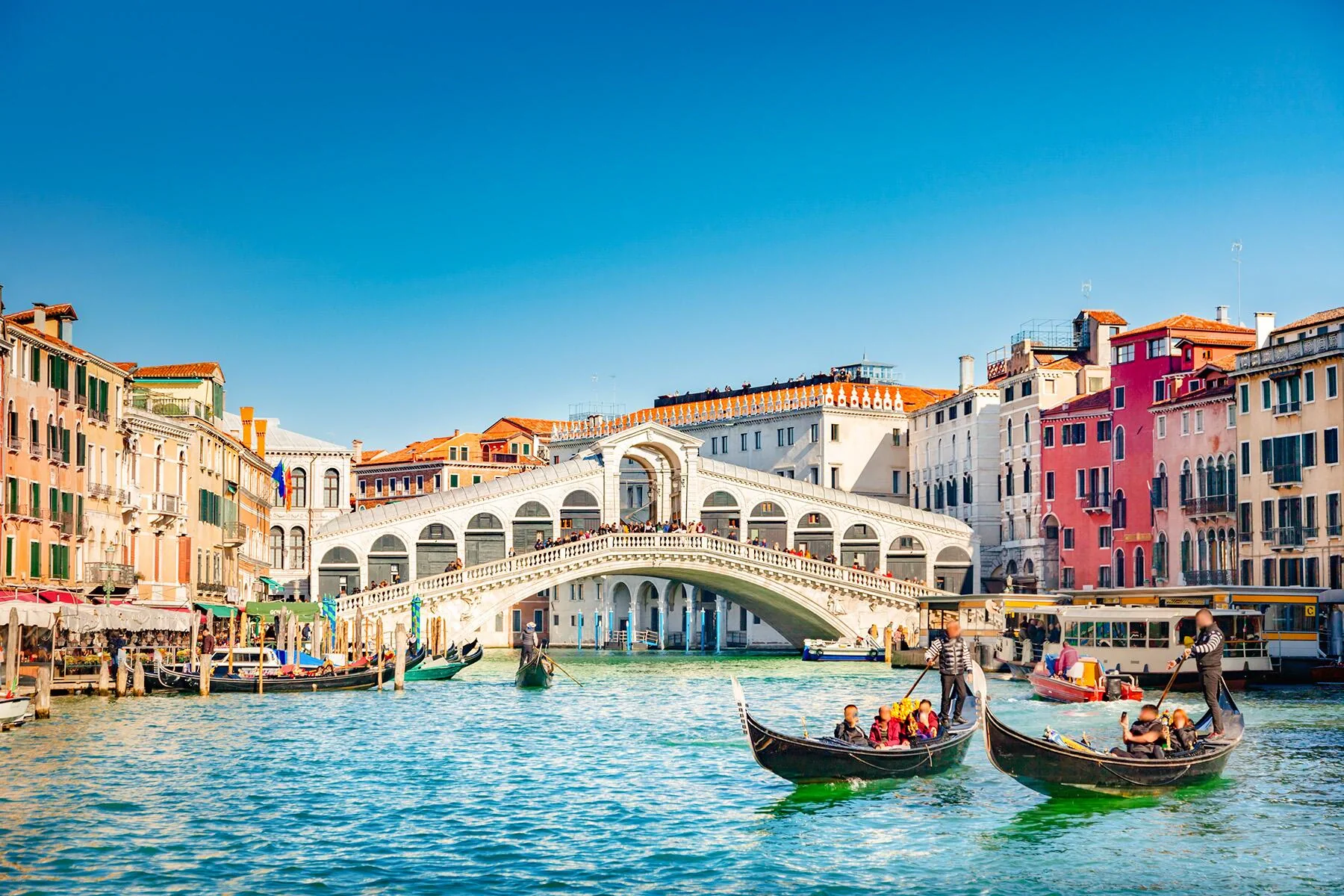
The Grand Canal is the city’s main waterway and is best appreciated by vaporetto as well as on foot from bridges such as Rialto and Accademia. Smaller canals and quieter sestieri reveal a more residential side of Venice beyond the headline landmarks.
Dorsoduro, Cannaregio and Castello offer rewarding walks away from the densest crowds, with churches, galleries, workshops and neighbourhood restaurants. Venice is a city where slow exploration is often more satisfying than trying to cover every major sight.
The lagoon islands provide easy extensions. Murano is known for glassmaking, Burano for colourful houses and lace, and Torcello for early Venetian history and a much quieter atmosphere.
Rail travellers arrive directly at Venezia Santa Lucia on the edge of the historic centre, while motorists must leave vehicles at mainland or western-entry parking areas. This distinction matters when planning a ferry connection because the Greece ferry terminal is elsewhere.
Superfast Ferries’ current 2026 Adriatic network links Venice with Igoumenitsa and Patras. These sailings use Terminal Fusina Ferries at Via dell’Elettronica in Fusina, so travellers should plan a separate transfer from central Venice or Mestre.
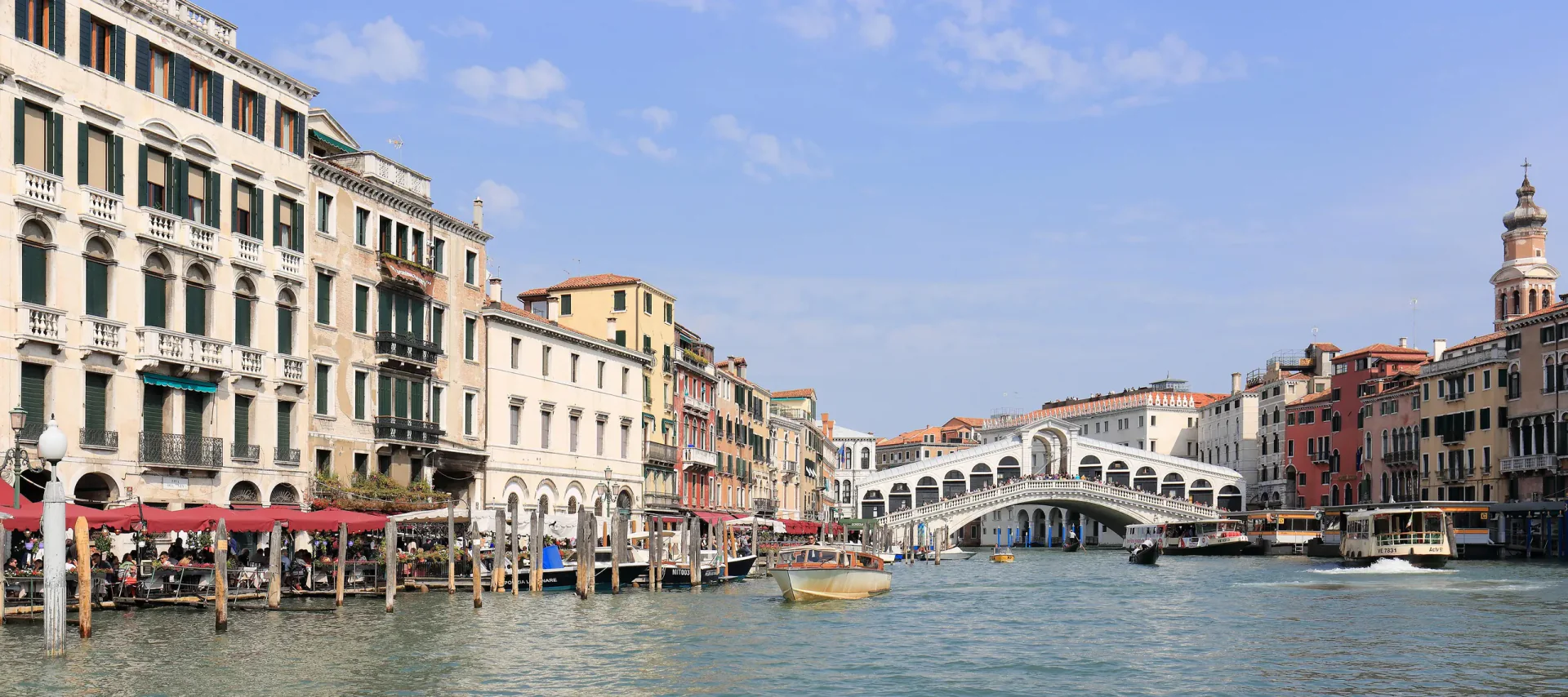
Venice combines monumental landmarks with quieter neighbourhoods and lagoon islands that reward a longer stay.
Visit the basilica, Doge’s Palace and iconic waterfront at Venice’s ceremonial centre.
Travel by vaporetto or walk between viewpoints along Venice’s principal waterway.
Cross the historic bridge and explore the nearby market and San Polo lanes.
Discover galleries, churches and a calmer canal-side atmosphere south of the Grand Canal.
Take local lagoon ferries to glassmaking Murano and colourful Burano.
Walk quieter northern neighbourhoods, including the historic Jewish Ghetto and local bacari.
Browse Venice walking tours, gondola experiences, lagoon island trips and skip-the-line attraction visits to combine with your ferry journey.
Tours and activities displayed in this section are supplied through Viator. Availability, descriptions and prices are provided by the activity supplier and can change.
For Adriatic routes, Anek/Superfast advises passengers to complete the required port document checks before boarding even when web check-in is available. Allow generous time to reach Fusina from central Venice, Mestre or the motorway network.
Superfast Ferries publishes current Venice–Igoumenitsa–Patras sailings in 2026, providing a direct road-trip connection between northern Italy and western Greece. The route carries passengers, cars and other vehicles on long overnight crossings.
Long-distance Adriatic vehicle ferries use Terminal Fusina Ferries at Via dell’Elettronica in Fusina, on the mainland side of the Venetian lagoon. This is separate from central Venice, Piazzale Roma and the cruise-terminal areas.
Central Venice is car-free and best explored on foot and by vaporetto, while Fusina requires a separate mainland transfer.
Combine walking with public water buses to move efficiently between Venice neighbourhoods and lagoon islands.
Venezia Santa Lucia and Venezia Mestre provide extensive rail links across northern Italy and beyond. Find Venice rail tickets here...
Do not head to St Mark’s or the central cruise area for Greece ferries; use the dedicated Fusina terminal directions supplied by the operator.
Historic Venice is best for atmosphere and sightseeing, while Mestre or mainland accommodation can simplify parking and an early departure from Fusina.
Superfast/Anek services use Terminal Fusina Ferries at Via dell’Elettronica in Fusina, not the central Venice waterfront.
Current Superfast Ferries sailings link Venice with Igoumenitsa and Patras in Greece.
The route is operated within the Attica Group network under Superfast Ferries/Anek Lines branding.
Yes. These are long-distance vehicle ferries designed for cars, motorcycles, motorhomes and other vehicle types.
No. Fusina is on the mainland edge of the lagoon, so plan a separate transfer from central Venice.
See St Mark’s Square and the Grand Canal, explore Dorsoduro and Cannaregio and visit lagoon islands such as Murano and Burano.
Yes. Venezia Santa Lucia is in the historic city and Mestre is on the mainland, but either requires onward travel to Fusina for the Greece ferry.
Yes, particularly for vehicles, cabins and summer travel because these are long international crossings with limited capacity.
The route catalogue includes departures towards Igoumenitsa, Patras. Each direction has its own guide so that you can check the correct starting pier and arrival arrangements. A listed connection may be seasonal, a multi-stop itinerary or a former service; read its service status before making plans.
No matches. Try a different place name or clear the filters.
Superfast Ferries
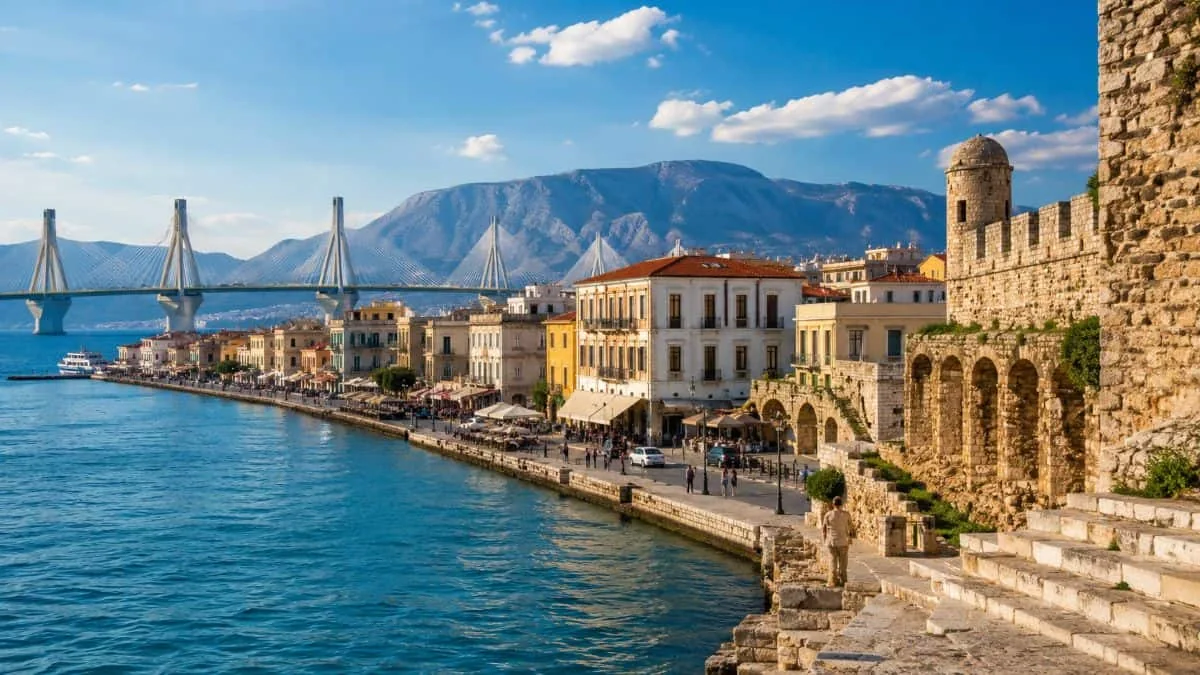
International Greece ferries use the Venice/Fusina port area rather than the historic city-centre boat stops.
Pin the precise ferry terminal before travelling to Venice. Some towns have separate passenger quays, vehicle terminals and excursion-boat landings. The operator’s address on your confirmation is more useful than a town-centre map pin.
For a car journey, leave a margin for the final approach, queueing and check-in. Without a car, confirm the last part of the journey from the railway station or bus stop. A short map distance may involve port roads or areas closed to pedestrians; use a confirmed transfer or walking route.
Keep your booking reference and required documents accessible. If you need step-free boarding, help with luggage or space for a bicycle, arrange it before the day of travel. Small piers and large vehicle terminals can offer very different facilities.
Plan each sea leg as a separate part of the trip. Check the arrival port, transfer distance, vehicle restrictions and the time before the next sailing. A ticket sold by one company or booking provider does not automatically create a protected connection with another.
Check your arrival time against accommodation check-in and the next transport service. If this is an island stay, organise the return ferry before fixing a mainland flight or a long-distance train. The outward and return ports do not have to be the same, but separate tickets can have different conditions.
European ferries for UK travellers · Detailed planning advice
Check live sailing options, passenger fares, vehicle prices and onboard accommodation for your travel dates.


