


Diocletian’s Palace
Explore the Roman palace complex, Peristyle, cellars and narrow streets at the heart of Split.
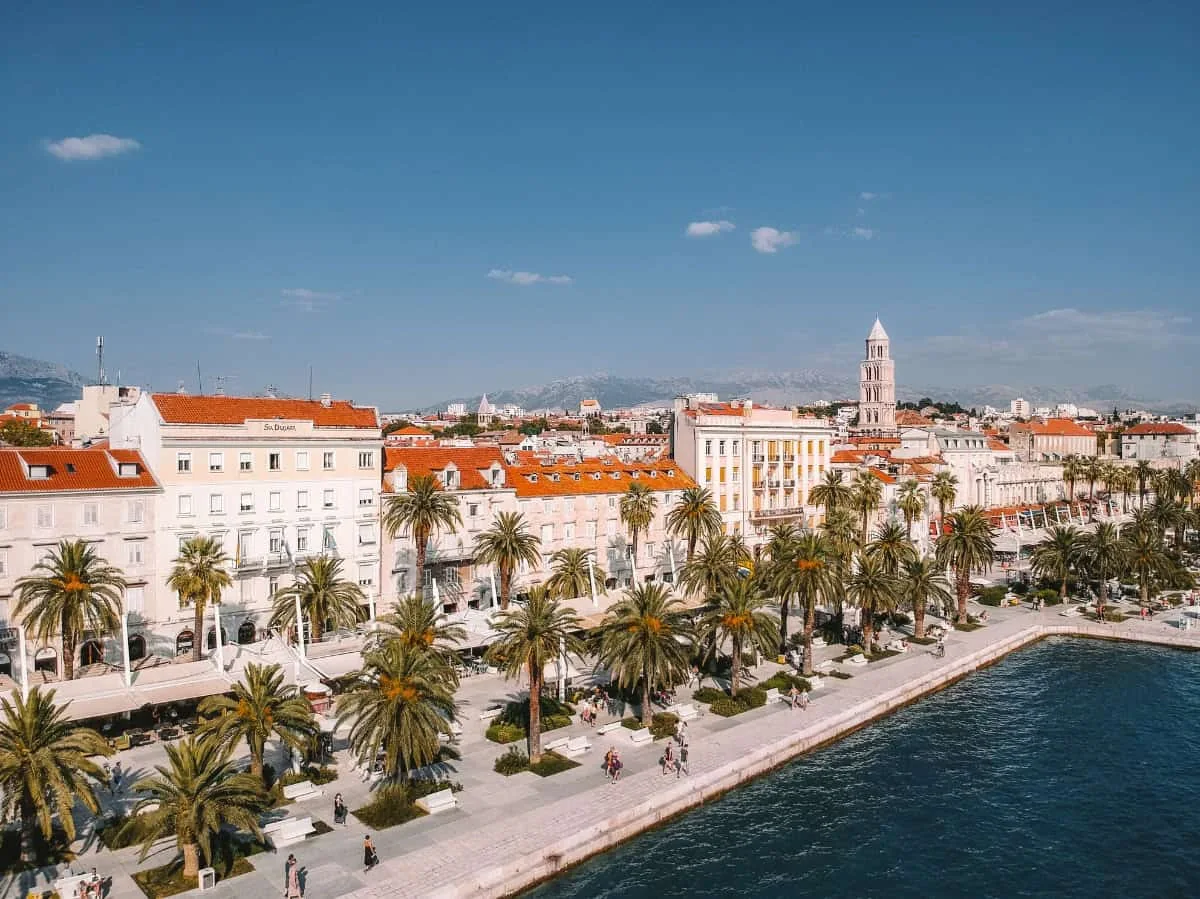
Plan ferries to and from Split in Croatia, with route choices, harbour guidance and ideas for the rest of your journey.
Choose your route, travel dates, passengers and vehicle to compare current sailings and fares. Search all ferry routes.
Check your ports, passengers, vehicle and dates before completing the reservation.
Split is one of the Adriatic’s great ferry cities, combining a UNESCO-listed Roman palace and lively waterfront with dense island connections and international sailings to Italy.
Split’s historic centre grew directly out of Diocletian’s Palace, a vast late-Roman complex whose walls, cellars, squares and temples are now woven into everyday streets, homes, cafés and shops. It is one of Europe’s most unusual living historic centres.
The Riva promenade runs along the palace’s seaward side and is the city’s social front room. Ferries, excursion boats and island traffic are always visible nearby, reinforcing how closely Split’s visitor experience is tied to the Adriatic.
Marjan Hill provides the natural counterpoint to the dense old town. Walking and cycling routes climb through pine forest to viewpoints, small churches and swimming coves west of the centre.
Bačvice and other urban beaches make it easy to add sea time without leaving the city. Even a short overnight stay can combine the palace, waterfront, local food and a swim before continuing by ferry.
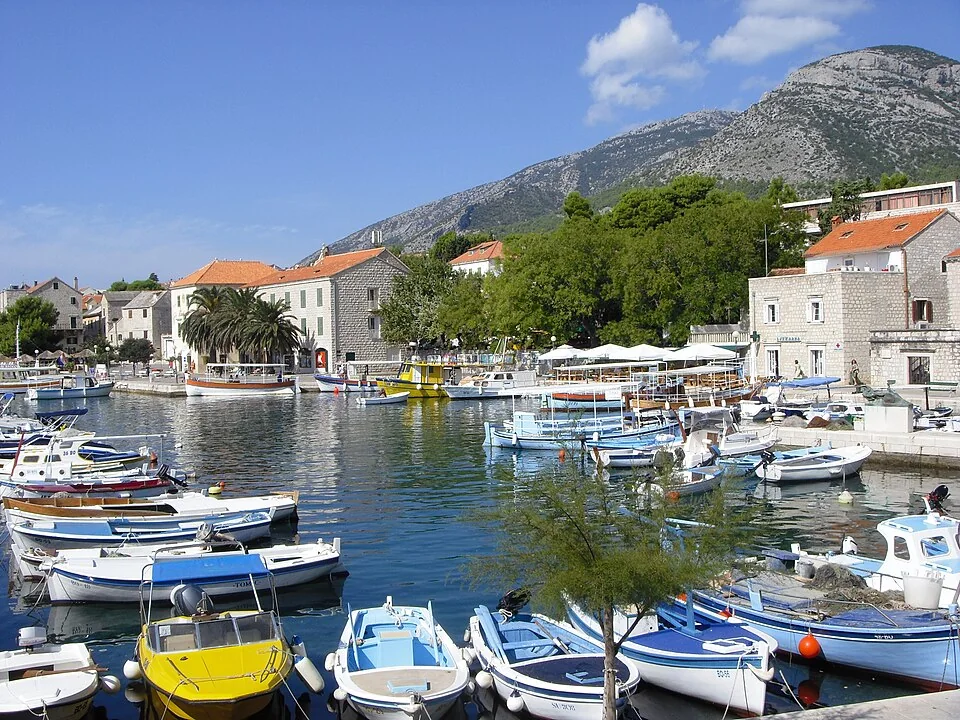
Split is also an excellent base for wider Dalmatia. Trogir, Klis Fortress, the Cetina area and the islands of Brač, Hvar, Vis and Šolta are all within reach by road, ferry or fast passenger boat.
The main city ferry port sits immediately beside the old town, intercity bus station and railway station. That makes Split unusually convenient for foot passengers, although summer traffic around the harbour can be intense and vehicle passengers should allow extra check-in time.
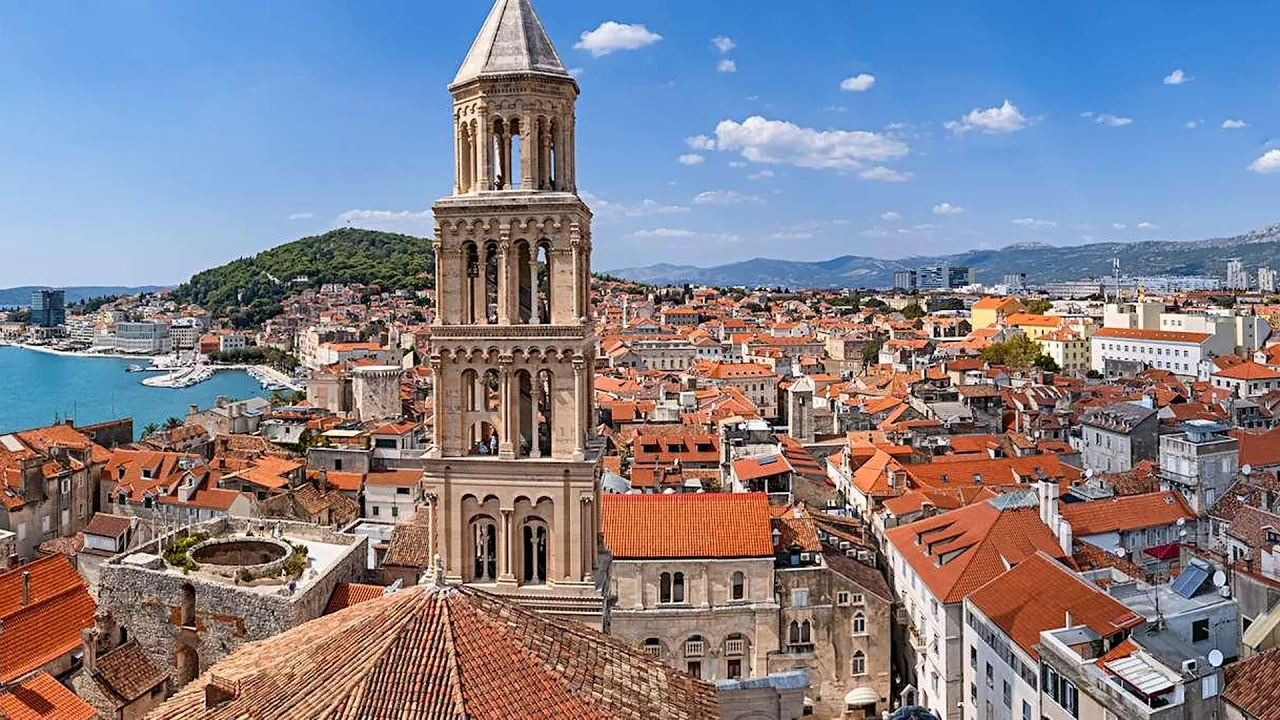
Split combines Roman heritage, a lively waterfront, beaches and direct access to some of Croatia’s best-known islands.
Explore the Roman palace complex, Peristyle, cellars and narrow streets at the heart of Split.
Climb the bell tower beside the Peristyle for views over the palace roofs and harbour.
Join Split’s waterfront promenade for cafés, people-watching and views towards the ferry port.
Walk or cycle through pine forest to viewpoints and quieter coves west of the centre.
Swim at Split’s best-known urban beach, close to the ferry and railway terminals.
Browse fruit, vegetables and local produce beside the eastern wall of Diocletian’s Palace.
Browse Split walking tours, island boat trips, food experiences and Dalmatian day tours to combine with your ferry journey.
Tours and activities displayed in this section are supplied through Viator. Availability, descriptions and prices are provided by the activity supplier and can change.
Split City Port is directly beside the historic centre and transport hub. Jadrolinija’s Split agency is at Gat Sv. Duje bb, and the port has multiple berths for car ferries, international ships and fast passenger craft.
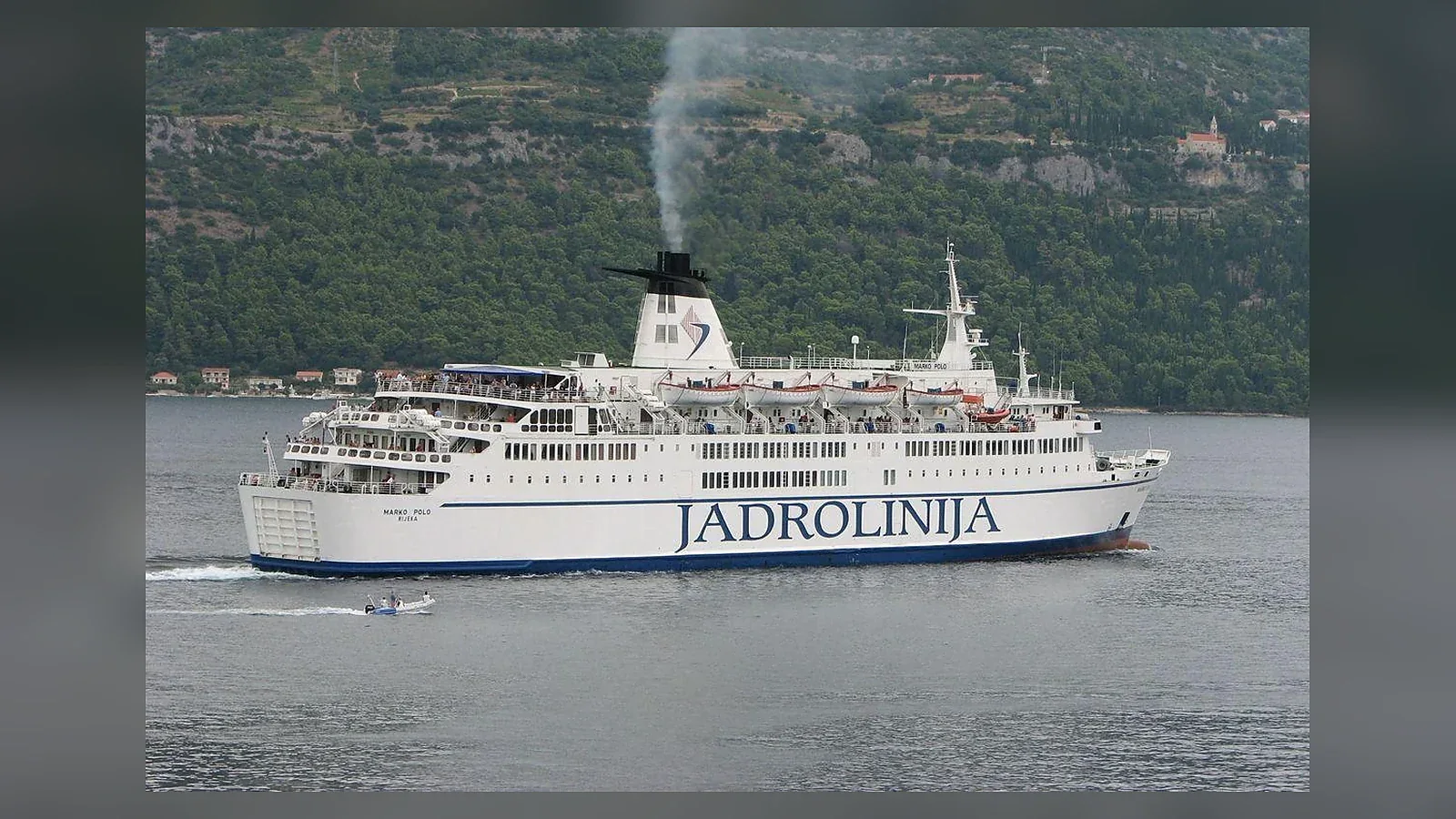
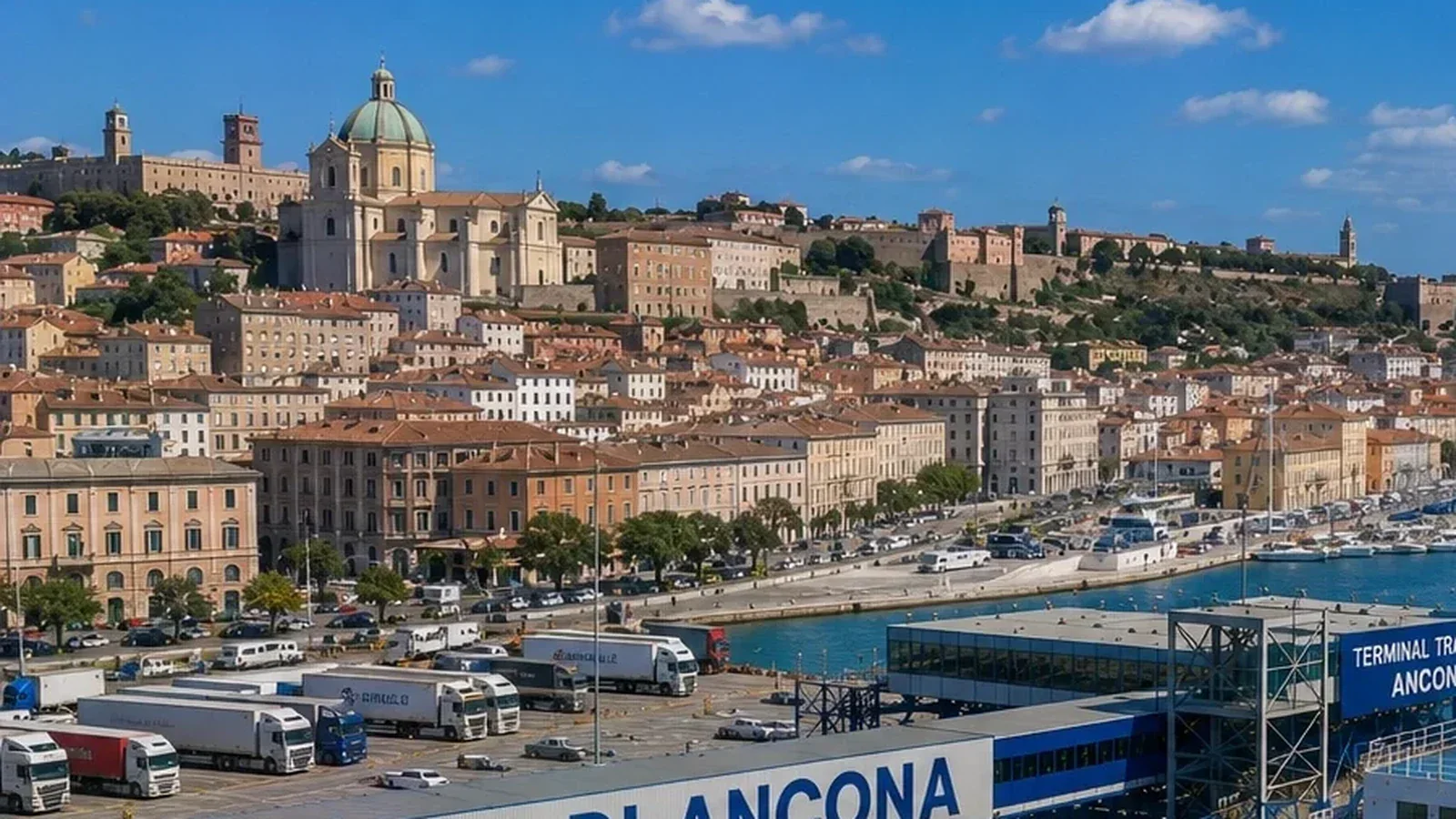
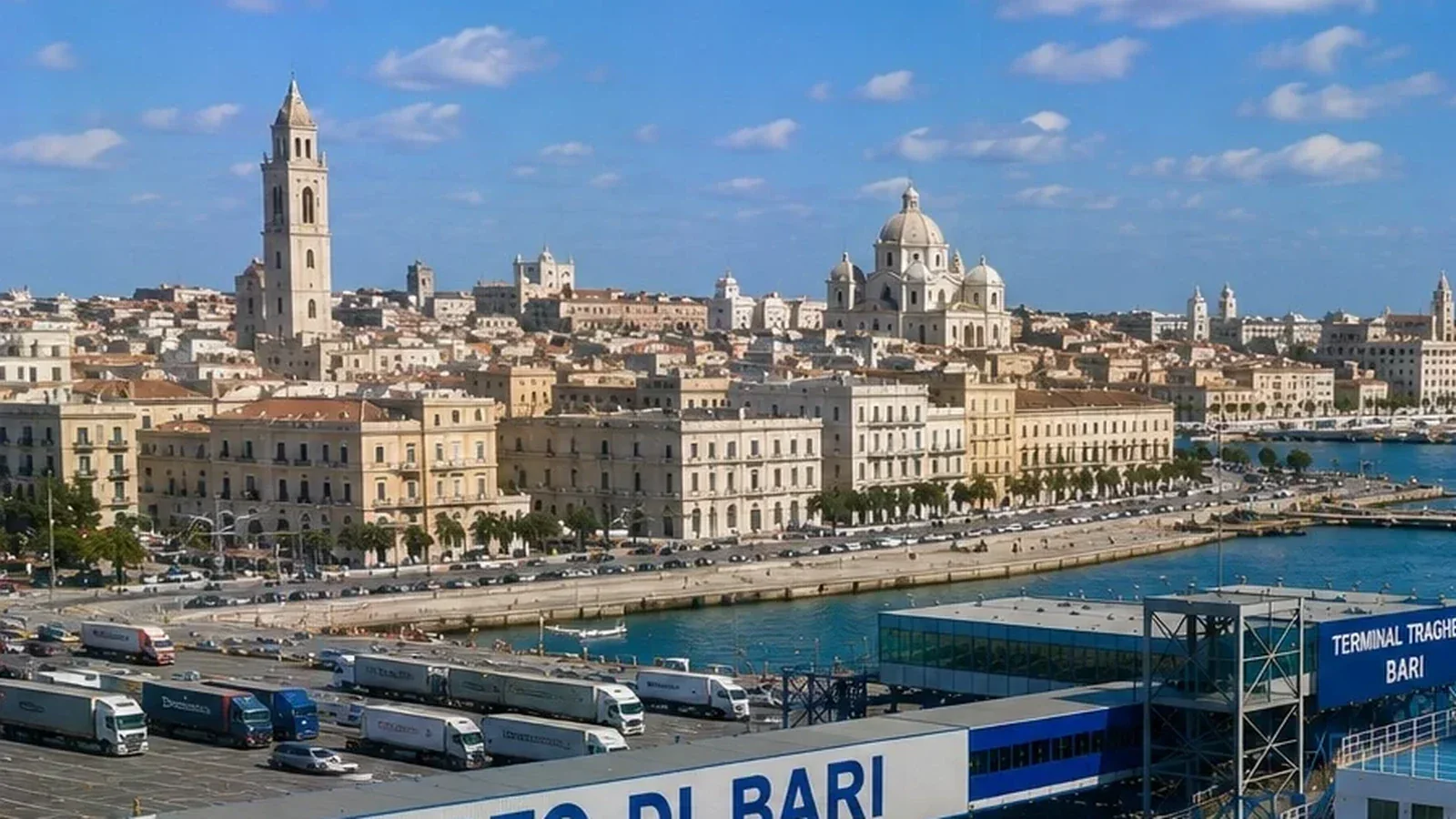
Current 2026 services include frequent domestic connections to islands such as Brač, Hvar, Vis and Šolta, plus international Jadrolinija sailings to Ancona and Bari. SNAV also publishes a 2026 Ancona–Split service, with operation varying by season.
Vehicle rules depend on the route: conventional ferries carry cars on many island and international services, while catamarans and fast passenger craft are generally for foot passengers. Check the vessel and boarding berth shown on the ticket, especially in the busy summer period.
Split’s old town, ferry port, bus station and railway station are tightly grouped, making the city especially easy for foot passengers.
Diocletian’s Palace and the Riva are only a short walk from the ferry berths, so most central sightseeing needs no transport.
Split railway station is beside the port and provides northbound rail connections, although buses often offer the broader regional network. Find Split rail tickets here...
Brač, Hvar, Vis, Šolta and other islands are integrated into Split’s everyday transport network; confirm whether your chosen service carries vehicles or foot passengers only.
The palace and Riva are ideal for sightseeing and ferry foot passengers, while Bačvice and nearby districts offer easier road access and beach options close to the port.
Split’s main passenger ferry port is directly beside the old town, bus station and railway station. Jadrolinija’s Split agency is at Gat Sv. Duje bb.
Split has extensive island services including Brač, Hvar, Vis and Šolta, plus current international ferry links to Ancona and Bari.
Yes on many conventional car-ferry routes, but fast catamaran and passenger-only services do not carry cars. Check the vessel type before booking.
Yes. The port is immediately beside the historic centre and the Riva, making it one of the easiest major ferry ports to reach on foot.
Jadrolinija operates international 2026 services to Italy, including Ancona and Bari, and SNAV also publishes a seasonal Ancona–Split service.
Diocletian’s Palace, the Riva, Cathedral of Saint Domnius, Marjan Hill, Bačvice Beach and the Green Market are all popular choices.
Yes. Split is one of Croatia’s main island gateways, with a dense network of ferries and fast passenger boats to central Dalmatian islands.
Yes in summer, especially for vehicles and international sailings. Popular island departures and vehicle spaces can become busy during peak season.
The route catalogue includes departures towards Ancona, Bari, Bol, Dubrovnik, Hvar, Stari Grad, Supetar. Each direction has its own guide so that you can check the correct starting pier and arrival arrangements. A listed connection may be seasonal, a multi-stop itinerary or a former service; read its service status before making plans.
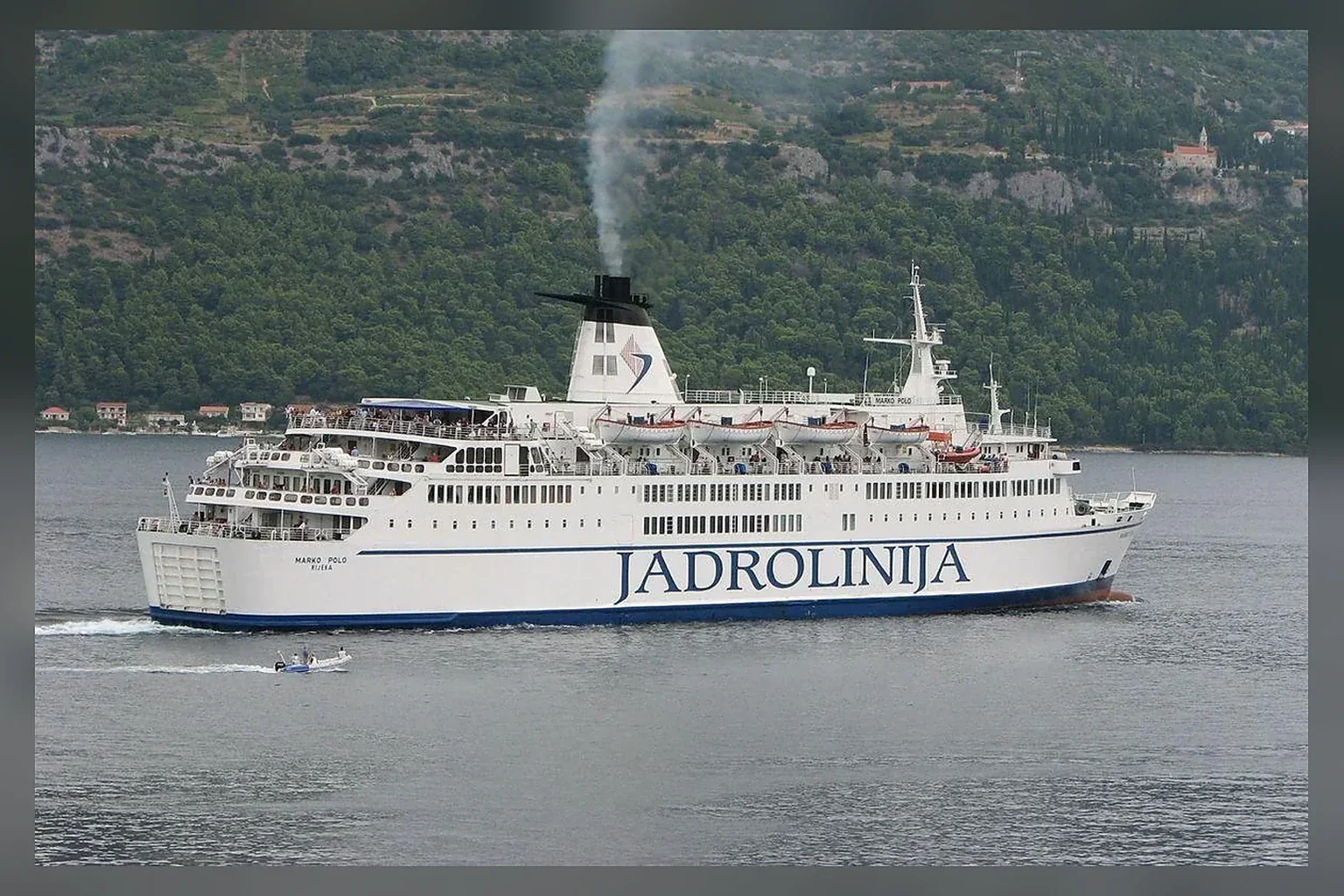
Fast Ferries, Jadrolinija, Krilo Shipping Company, Krilo – Kapetan Luka · Check the dated timetable
Fast Ferries, Jadrolinija, TP Line, Krilo – Kapetan Luka · Check the dated timetable
No matches. Try a different place name or clear the filters.
Jadrolinija, SNAV
Jadrolinija
Fast Ferries, Jadrolinija, Krilo Shipping Company, Krilo – Kapetan Luka
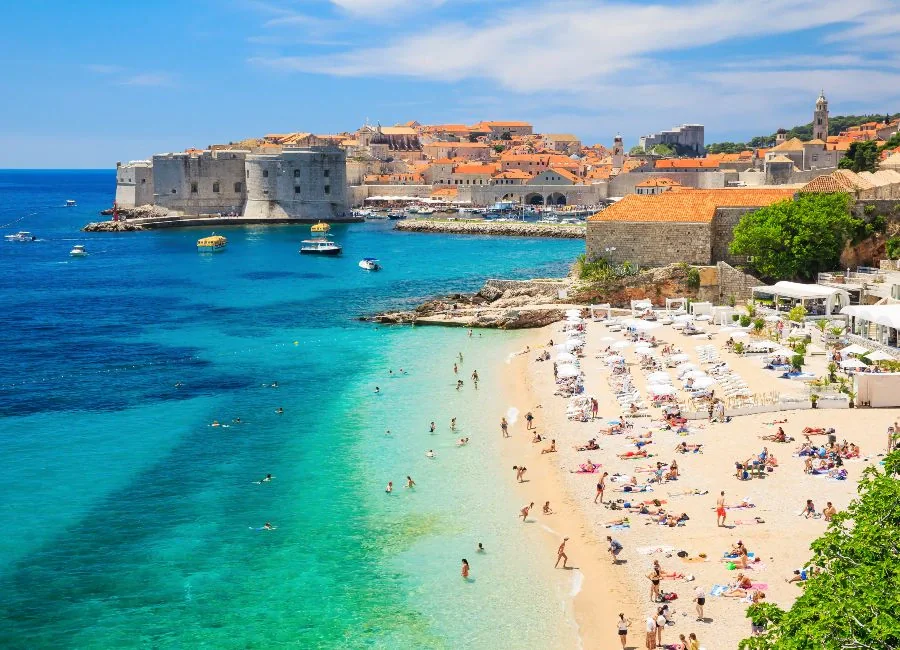
Fast Ferries, TP Line, Krilo – Kapetan Luka
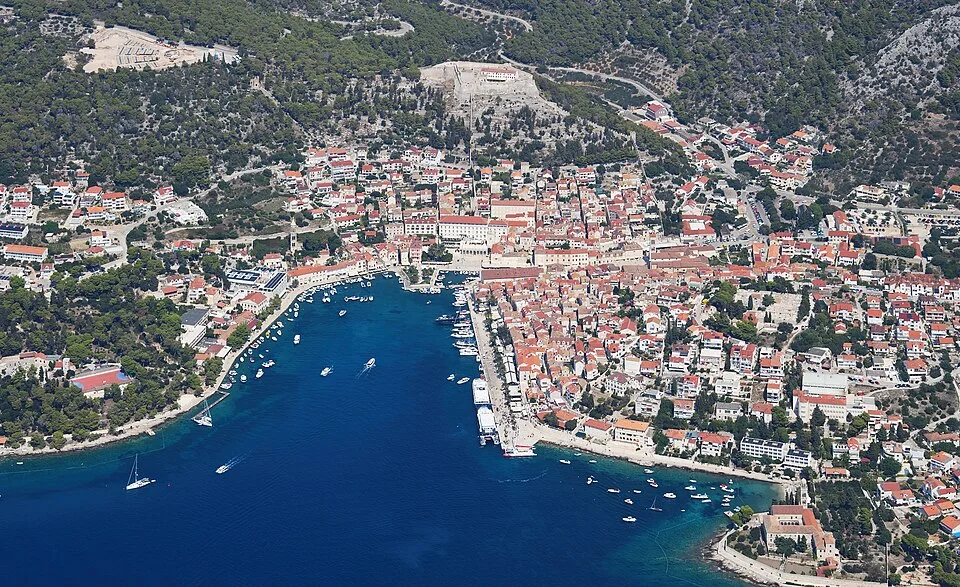
Fast Ferries, Jadrolinija, TP Line, Krilo – Kapetan Luka
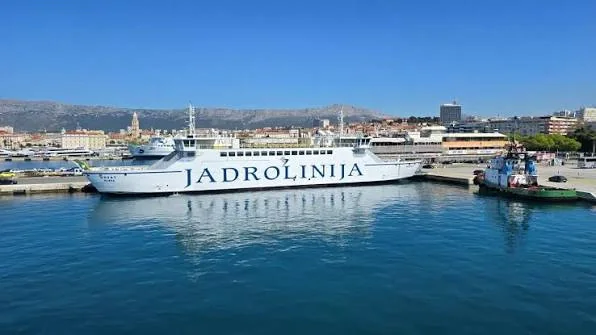
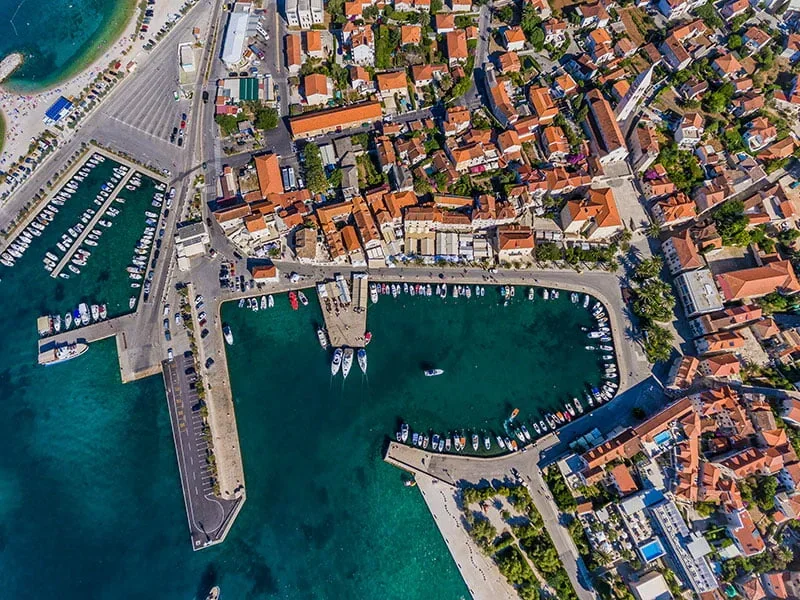
Split’s ferry port is beside the city centre and bus/rail terminal, with onward roads serving the Dalmatian coast.
Pin the precise ferry terminal before travelling to Split. Some towns have separate passenger quays, vehicle terminals and excursion-boat landings. The operator’s address on your confirmation is more useful than a town-centre map pin.
For a car journey, leave a margin for the final approach, queueing and check-in. Without a car, confirm the last part of the journey from the railway station or bus stop. A short map distance may involve port roads or areas closed to pedestrians; use a confirmed transfer or walking route.
Keep your booking reference and required documents accessible. If you need step-free boarding, help with luggage or space for a bicycle, arrange it before the day of travel. Small piers and large vehicle terminals can offer very different facilities.
Plan each sea leg as a separate part of the trip. Check the arrival port, transfer distance, vehicle restrictions and the time before the next sailing. A ticket sold by one company or booking provider does not automatically create a protected connection with another.
Check your arrival time against accommodation check-in and the next transport service. If this is an island stay, organise the return ferry before fixing a mainland flight or a long-distance train. The outward and return ports do not have to be the same, but separate tickets can have different conditions.
European ferries for UK travellers · Detailed planning advice
Check live sailing options, passenger fares, vehicle prices and onboard accommodation for your travel dates.


