

Neuer Markt
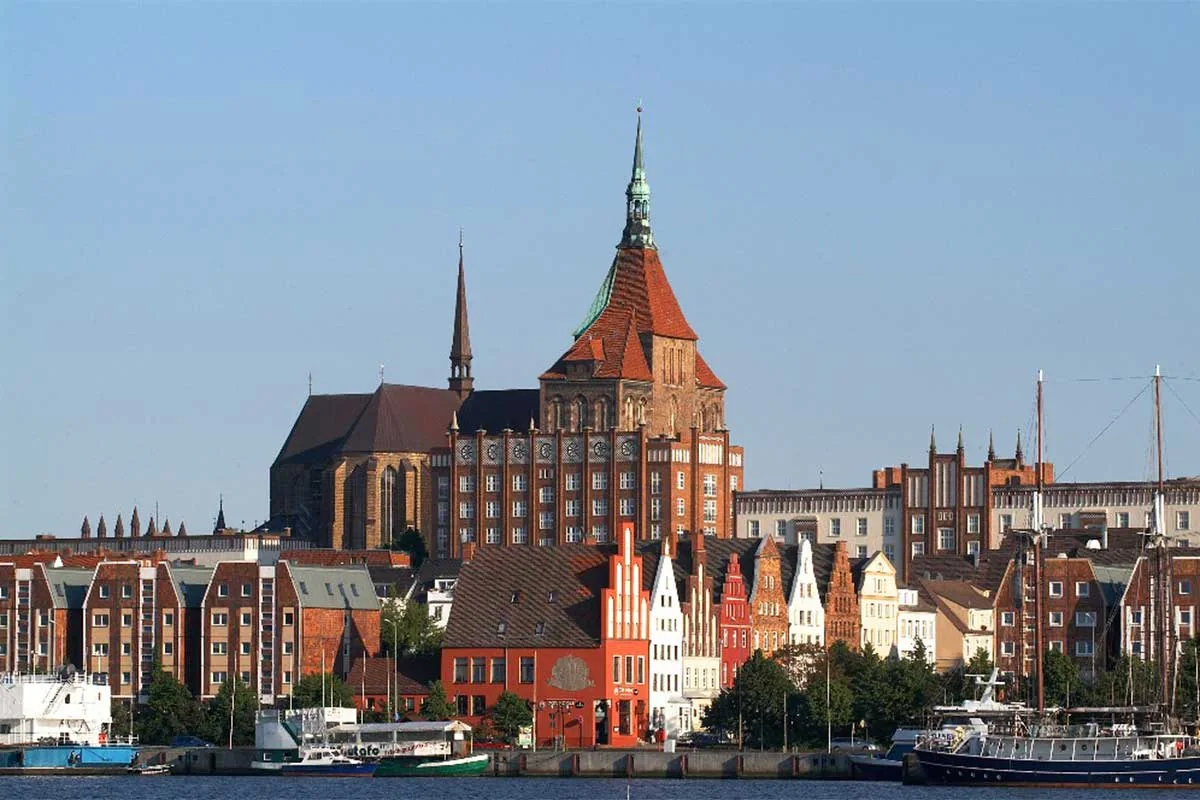
See colourful gabled houses and Rostock Town Hall in the historic centre.
Plan ferries to and from Rostock in Germany, with route choices, harbour guidance and ideas for the rest of your journey.
Choose your route, travel dates, passengers and vehicle to compare current sailings and fares. Search all ferry routes.
Check your ports, passengers, vehicle and dates before completing the reservation.
Rostock combines a brick-Gothic Hanseatic centre with the seaside resort of Warnemünde and one of Germany’s most important ferry gateways to Scandinavia.
The historic centre is centred on Neuer Markt, St Mary’s Church and surviving city gates, with university buildings and pedestrian streets reflecting Rostock’s long Hanseatic history.
At the Baltic coast, Warnemünde offers a broad sandy beach, lighthouse, old canal and an active harbour atmosphere around Alter Strom.
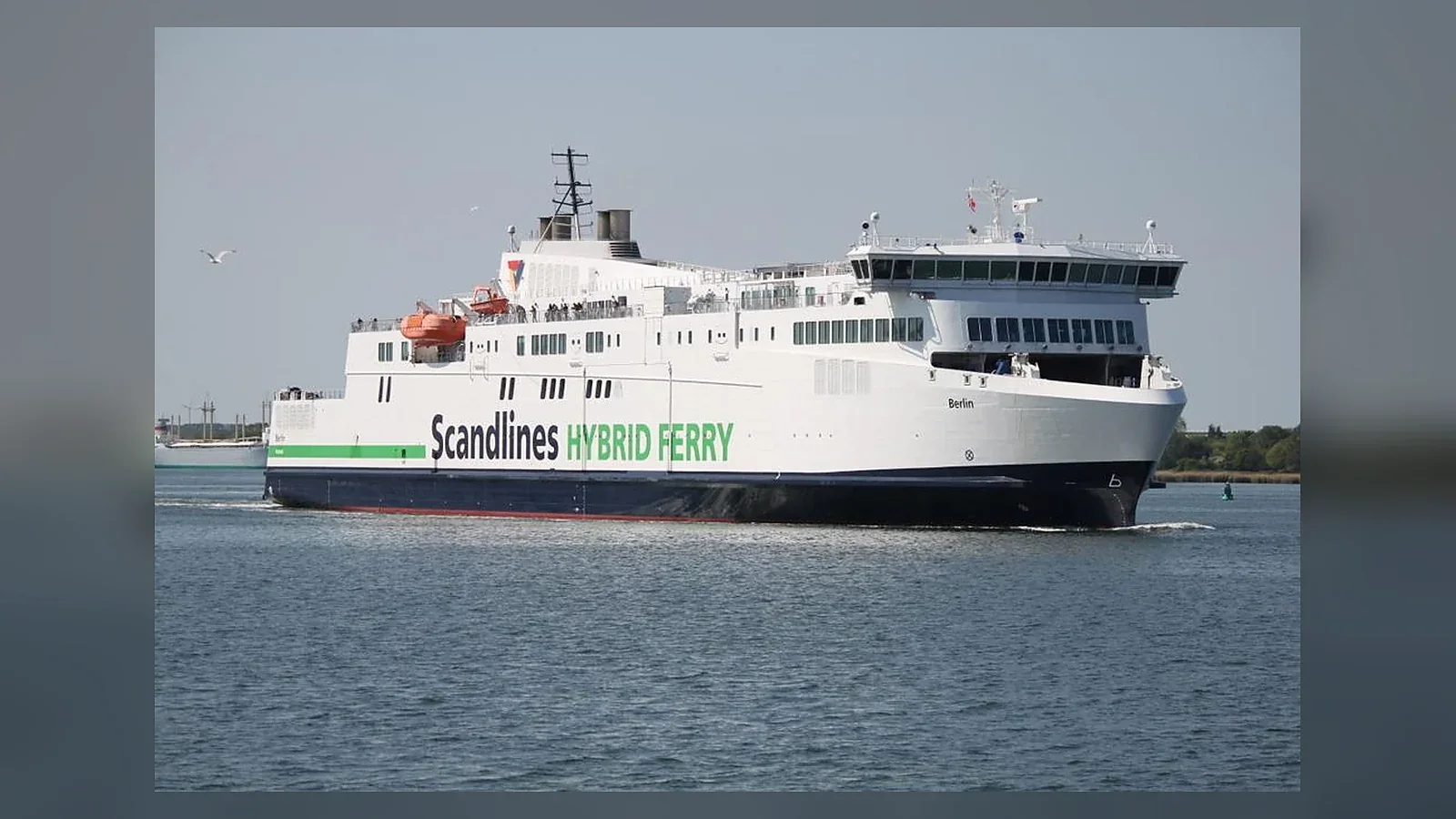
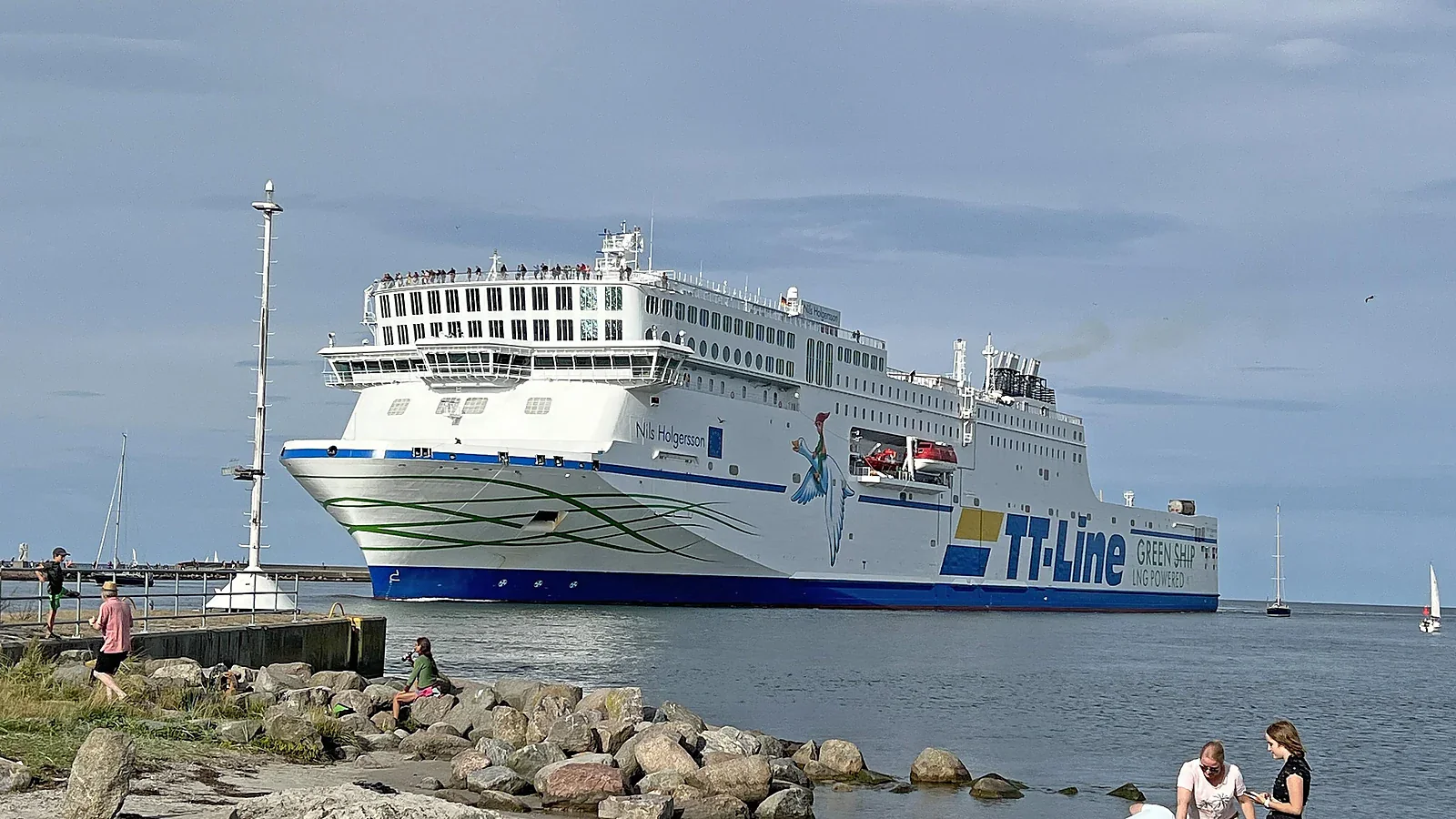
Rostock Port confirms regular ferry connections to Gedser in Denmark and Trelleborg in Sweden. Scandlines operates the high-frequency Gedser route, while TT-Line serves Trelleborg.
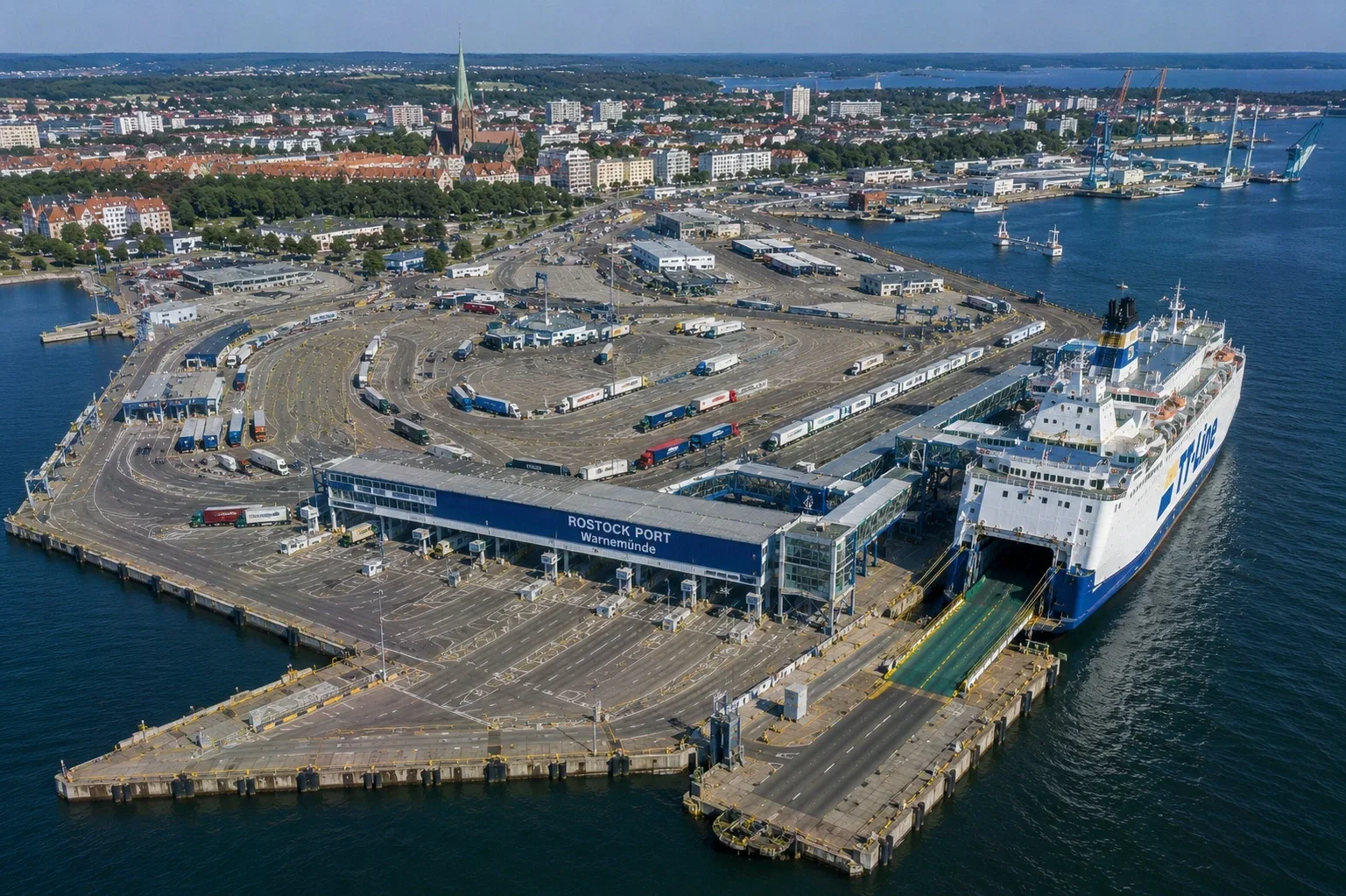
The ferry terminal lies in Rostock’s overseas port north-east of the city centre. It is separate from Warnemünde cruise facilities, so follow signs for the ferry/seaport terminal rather than the cruise terminal.
Rostock’s university gives the centre a lively year-round atmosphere, with cafés, museums and cultural venues spread around the old town. The city is compact enough for visitors to combine the main historic sights with the waterfront in a single day.
Travellers with more time can use Rostock as a base for the Mecklenburg Baltic coast, including beach resorts, nature reserves and smaller harbour towns. Warnemünde is the easiest extension and can be reached quickly from the city centre.
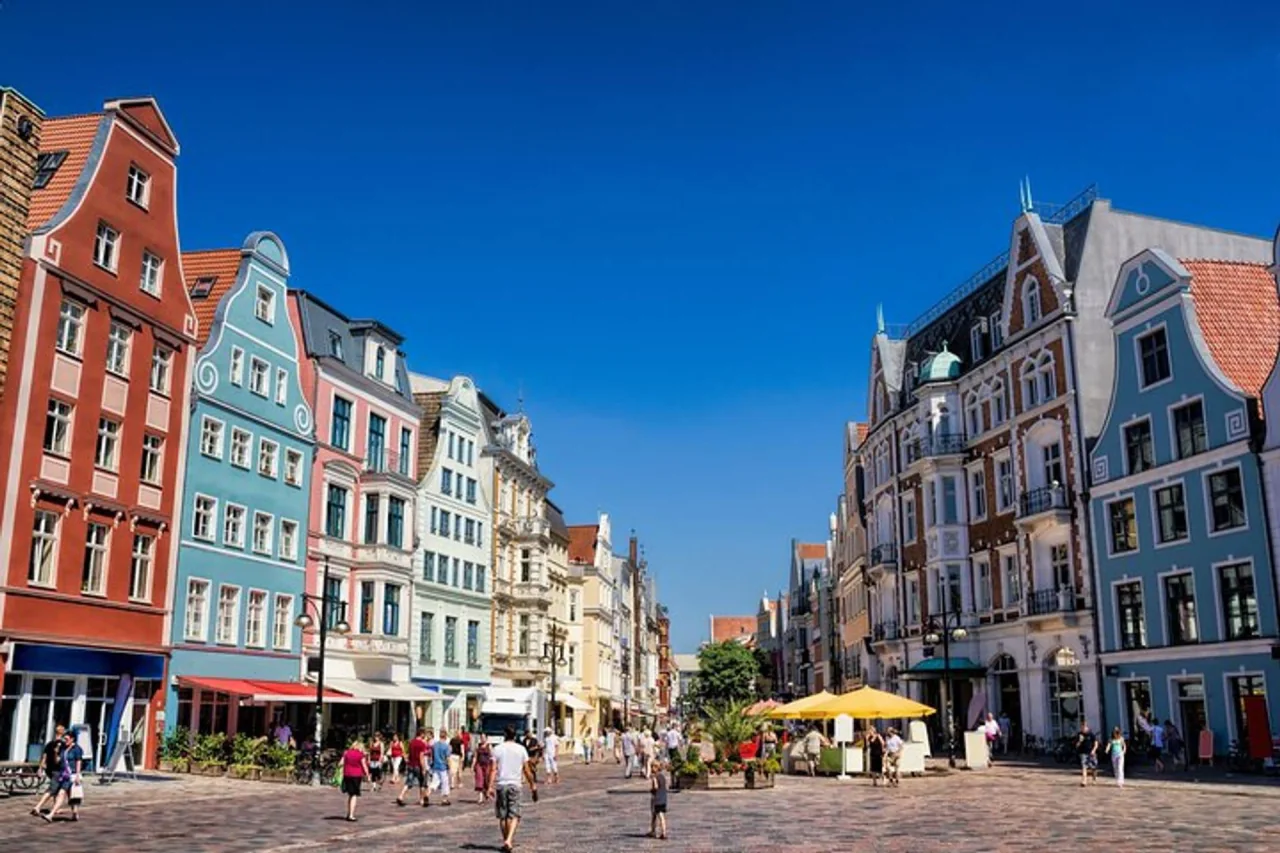
Rostock offers a useful mix of Hanseatic architecture, maritime culture and one of Germany’s best city-and-beach combinations.
See colourful gabled houses and Rostock Town Hall in the historic centre.
Visit the great brick-Gothic church and its remarkable astronomical clock.
Walk through one of Rostock’s best-preserved medieval city gates.
Spend time on the broad Baltic beach beside the lighthouse and promenade.
Walk the old canal lined with boats, cafés and seafood stalls.
Explore maritime museums, harbour viewpoints and the city’s working port landscape.
Browse Rostock city walks, Warnemünde tours, Baltic coast excursions and northern Germany experiences around your ferry journey.
Tours and activities displayed in this section are supplied through Viator. Availability, descriptions and prices are provided by the activity supplier and can change.
Both routes are designed for vehicle travel and also accommodate passenger bookings according to operator conditions. Check-in times differ by operator and ticket type.
Current regular passenger-ferry routes connect Rostock with Gedser in Denmark and Trelleborg in Sweden. Scandlines operates Rostock–Gedser, while TT-Line publishes 2026 Rostock–Trelleborg schedules.
Rostock’s ferry terminal is in the overseas port (Überseehafen), reached from the motorway and clearly signed for Baltic ferries. It is distinct from the cruise terminal at Warnemünde.
Rostock’s centre and Warnemünde are well served by local rail, while the ferry terminal is easiest by road or dedicated public-transport connections.
Neuer Markt, St Mary’s Church and the main historic streets are close together.
Frequent local trains link Rostock city with Warnemünde and wider German rail connections. Find Rostock rail tickets here...
The overseas-port terminal has direct road access and is separated from the central tourist areas.
Central Rostock suits history and rail connections, while Warnemünde is the stronger choice for beach time and a seaside atmosphere.
The ferry terminal is in Rostock’s overseas port at Zum Fährterminal, separate from the Warnemünde cruise terminal.
Regular passenger ferries connect Rostock with Gedser in Denmark and Trelleborg in Sweden.
Scandlines operates the Gedser route and TT-Line operates Rostock–Trelleborg services.
Yes. The Gedser and Trelleborg routes are vehicle-carrying ferry services.
No. The ferry terminal is in the overseas port, while most cruise ships use Warnemünde.
Neuer Markt, St Mary’s Church, the medieval gates, Warnemünde beach and Alter Strom are highlights.
Yes. Rostock is connected to the German rail network, and local trains run frequently to Warnemünde.
Yes for summer vehicle travel and busy holiday periods, especially when specific departure times matter.
The route catalogue includes departures towards Gedser, Klaipėda, Trelleborg. Each direction has its own guide so that you can check the correct starting pier and arrival arrangements. A listed connection may be seasonal, a multi-stop itinerary or a former service; read its service status before making plans.
No matches. Try a different place name or clear the filters.
The Scandlines terminal is in Rostock’s ferry-port complex with direct motorway access from the A19. Follow Scandlines signs rather than another operator’s check-in lanes.
Pin the precise ferry terminal before travelling to Rostock. Some towns have separate passenger quays, vehicle terminals and excursion-boat landings. The operator’s address on your confirmation is more useful than a town-centre map pin.
For a car journey, leave a margin for the final approach, queueing and check-in. Without a car, confirm the last part of the journey from the railway station or bus stop. A short map distance may involve port roads or areas closed to pedestrians; use a confirmed transfer or walking route.
Keep your booking reference and required documents accessible. If you need step-free boarding, help with luggage or space for a bicycle, arrange it before the day of travel. Small piers and large vehicle terminals can offer very different facilities.
Plan each sea leg as a separate part of the trip. Check the arrival port, transfer distance, vehicle restrictions and the time before the next sailing. A ticket sold by one company or booking provider does not automatically create a protected connection with another.
Check your arrival time against accommodation check-in and the next transport service. If this is an island stay, organise the return ferry before fixing a mainland flight or a long-distance train. The outward and return ports do not have to be the same, but separate tickets can have different conditions.
European ferries for UK travellers · Detailed planning advice
Check live sailing options, passenger fares, vehicle prices and onboard accommodation for your travel dates.