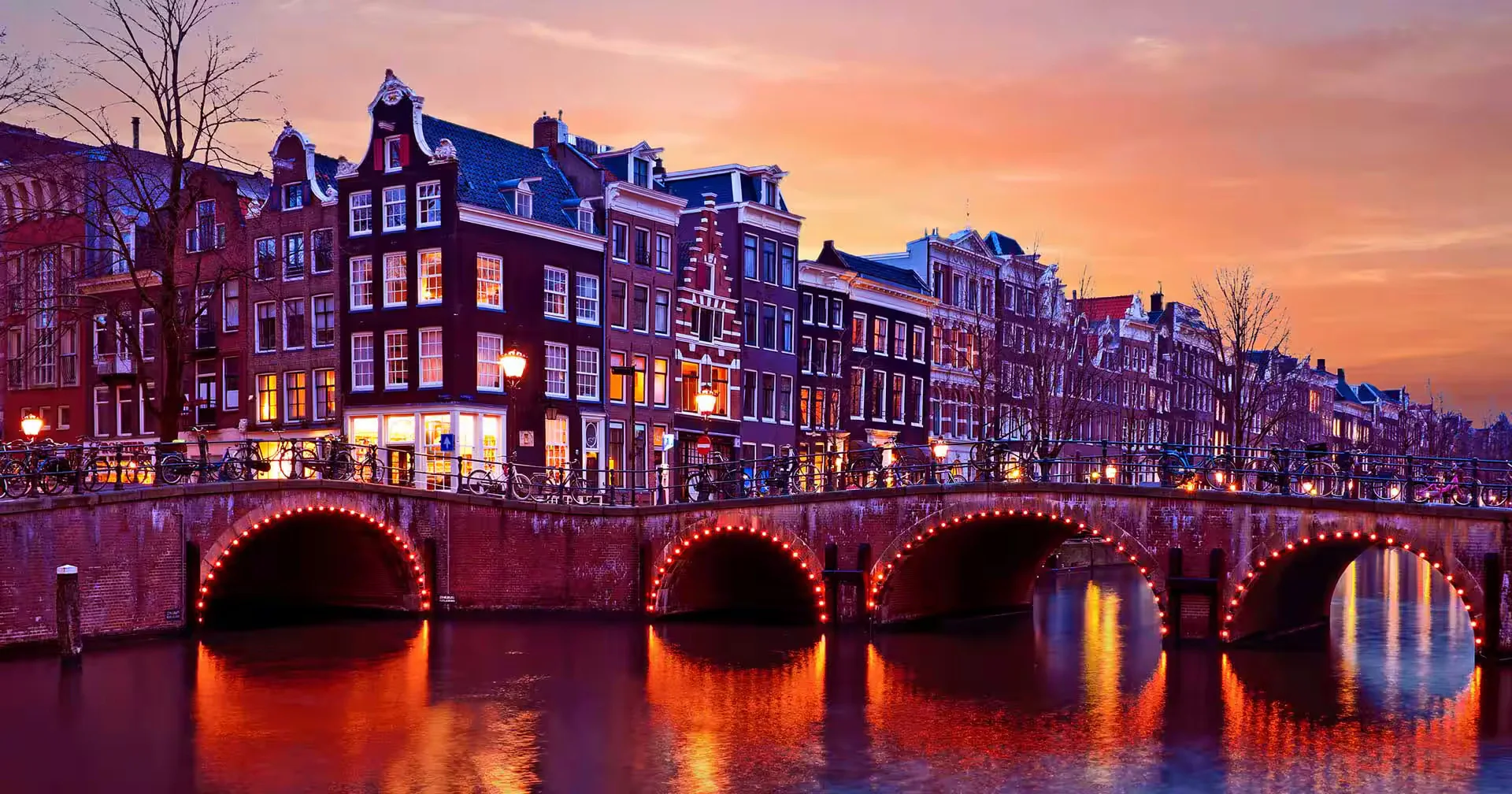


Newcastle Quayside
Walk beside the Tyne for bridge views, restaurants and easy access to Gateshead’s cultural venues.
Plan ferries to and from Newcastle in England, with route choices, harbour guidance and ideas for the rest of your journey.
Choose your route, travel dates, passengers and vehicle to compare current sailings and fares. Search all ferry routes.
Check your ports, passengers, vehicle and dates before completing the reservation.
A lively Tyne city paired with the UK’s direct overnight ferry gateway to the Netherlands
Newcastle upon Tyne combines grand Victorian streets, a lively nightlife scene and one of Britain’s most recognisable urban riverfronts. The city centre rises above the Tyne, linked with Gateshead by a sequence of landmark bridges.
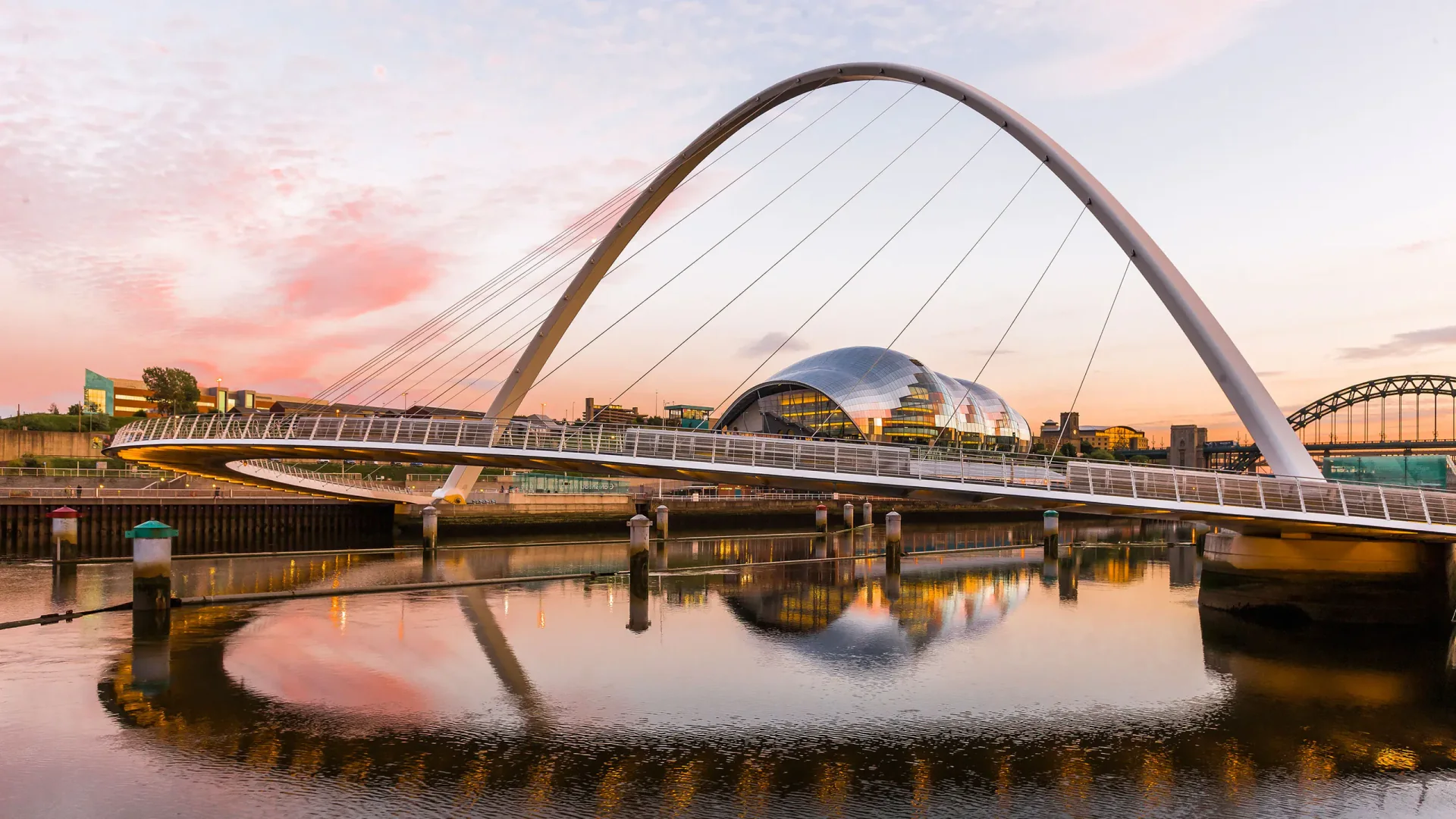
The Quayside is the visual heart of the city, with the Tyne Bridge and Gateshead Millennium Bridge framing riverside walks, restaurants and cultural venues.
Grey Street and Grainger Town showcase elegant 19th-century architecture, while markets, galleries and music venues reflect Newcastle’s strong local identity.
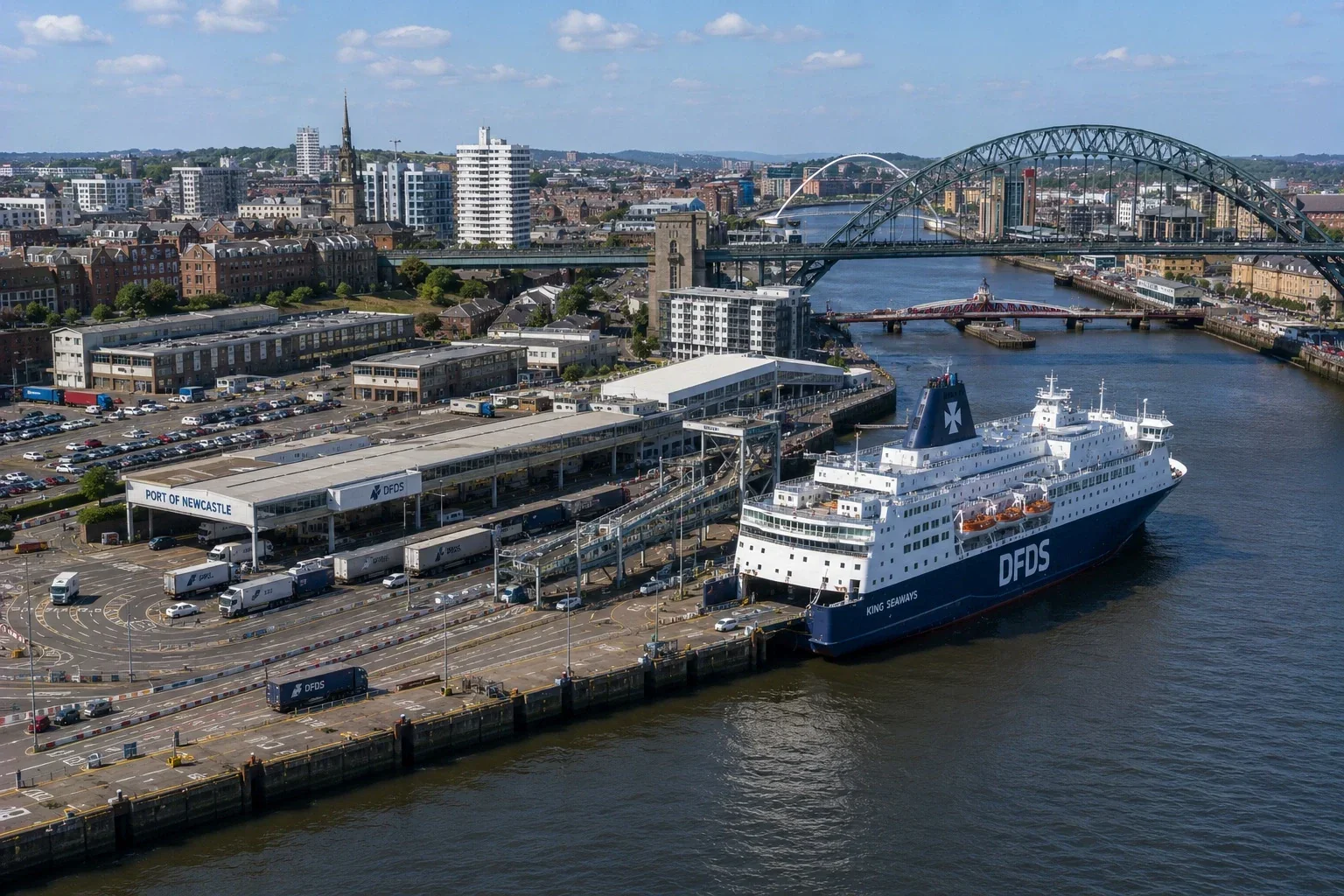
The ferry connection marketed as Newcastle–Amsterdam does not leave from Newcastle city centre. DFDS uses the International Passenger Terminal at Royal Quays in North Shields, east of the city, and arrives at IJmuiden in the Netherlands.
DFDS is selling 2026 sailings on the route, with a typical overnight journey of about 15 hours 45 minutes. It carries passengers with or without vehicles and provides cabins for the overnight crossing.
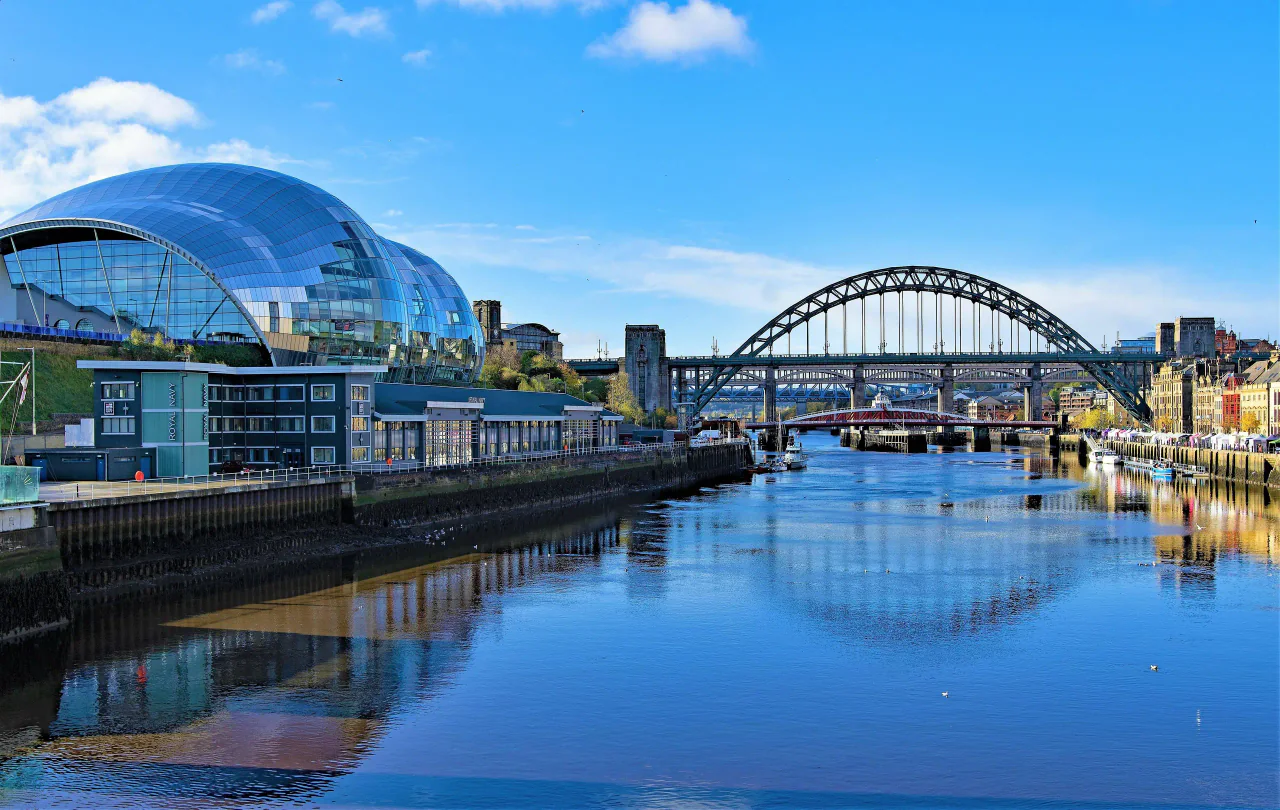
Newcastle is worth building into the ferry journey rather than treating it only as a gateway, especially for the Quayside, architecture, food and nightlife.
Walk beside the Tyne for bridge views, restaurants and easy access to Gateshead’s cultural venues.
See the city’s best-known bridge and the dramatic sequence of crossings along the river.
Explore Grey Street, Grainger Market and some of Britain’s finest planned 19th-century urban architecture.
Cross to Gateshead for contemporary art and major music venues overlooking the river.
Visit an independent neighbourhood of pubs, music, food and creative spaces east of the centre.
Extend the trip to beaches, a ruined priory and coastal walks near the ferry terminal side of the Tyne.
Browse Newcastle walking tours, food experiences and North East England day trips for time around the overnight ferry.
Tours and activities displayed in this section are supplied through Viator. Availability, descriptions and prices are provided by the activity supplier and can change.
Passengers can travel with or without a vehicle. The terminal is reached by road, taxi or public transport connections via North Shields; travellers should allow transfer time from central Newcastle.
The ferry actually arrives at IJmuiden on the Dutch coast, with Amsterdam available by onward transfer or road. DFDS is selling 2026 crossings and currently shows a typical overnight duration of around 15 hours 45 minutes.
DFDS operates the Newcastle–Amsterdam route from the International Passenger Terminal at Royal Quays in North Shields, not from Newcastle city-centre Quayside.
Newcastle city centre is compact and well served by Metro, buses and national rail; the ferry terminal requires an onward transfer to North Shields.
Grey Street, Grainger Town, the Quayside and many central attractions are within easy walking distance.
Newcastle Central has national rail services, while the Tyne and Wear Metro reaches North Shields and the coast.
Find Newcastle rail tickets here...The DFDS terminal is at Royal Quays in North Shields, so allow sufficient road or public-transport time before check-in.
Central Newcastle is best for sightseeing; Tynemouth and North Shields can be convenient if the ferry departure is the main priority.
The DFDS terminal is at Royal Quays in North Shields, east of Newcastle city centre.
No. The ferry sails to IJmuiden on the Dutch coast; Amsterdam is reached by onward transfer or road.
Yes. DFDS is selling 2026 sailings on the Newcastle–Amsterdam route.
DFDS currently lists a typical overnight crossing of about 15 hours 45 minutes.
Yes. DFDS accepts passengers with or without vehicles.
The Quayside, Tyne bridges, Grainger Town, Ouseburn and nearby Tynemouth are major highlights.
Yes, but the terminal is not in the city centre; use Metro/bus/taxi connections and allow sufficient transfer time.
Yes. Cabins and vehicle spaces can sell strongly on popular dates, so advance booking is recommended.
The route catalogue includes departures towards IJmuiden. Each direction has its own guide so that you can check the correct starting pier and arrival arrangements. A listed connection may be seasonal, a multi-stop itinerary or a former service; read its service status before making plans.
No matches. Try a different place name or clear the filters.
DFDS uses the Port of Tyne International Passenger Terminal in North Shields, east of central Newcastle. Road access is straightforward from the A19, while metro stations and transfer options serve passengers without a car.
Pin the precise ferry terminal before travelling to Newcastle. Some towns have separate passenger quays, vehicle terminals and excursion-boat landings. The operator’s address on your confirmation is more useful than a town-centre map pin.
For a car journey, leave a margin for the final approach, queueing and check-in. Without a car, confirm the last part of the journey from the railway station or bus stop. A short map distance may involve port roads or areas closed to pedestrians; use a confirmed transfer or walking route.
Keep your booking reference and required documents accessible. If you need step-free boarding, help with luggage or space for a bicycle, arrange it before the day of travel. Small piers and large vehicle terminals can offer very different facilities.
For a trip from northern or central England, an overnight sailing can replace a long drive south and an extra hotel stop. For Brittany, Normandy or northern Spain, arriving farther west may save substantial mileage after disembarkation. Compare the complete outward and return itinerary, including cabins, road tolls, fuel and port transfers.
Check your arrival time against accommodation check-in and the next transport service. If this is an island stay, organise the return ferry before fixing a mainland flight or a long-distance train. The outward and return ports do not have to be the same, but separate tickets can have different conditions.
Check live sailing options, passenger fares, vehicle prices and onboard accommodation for your travel dates.