


Vieux-Port
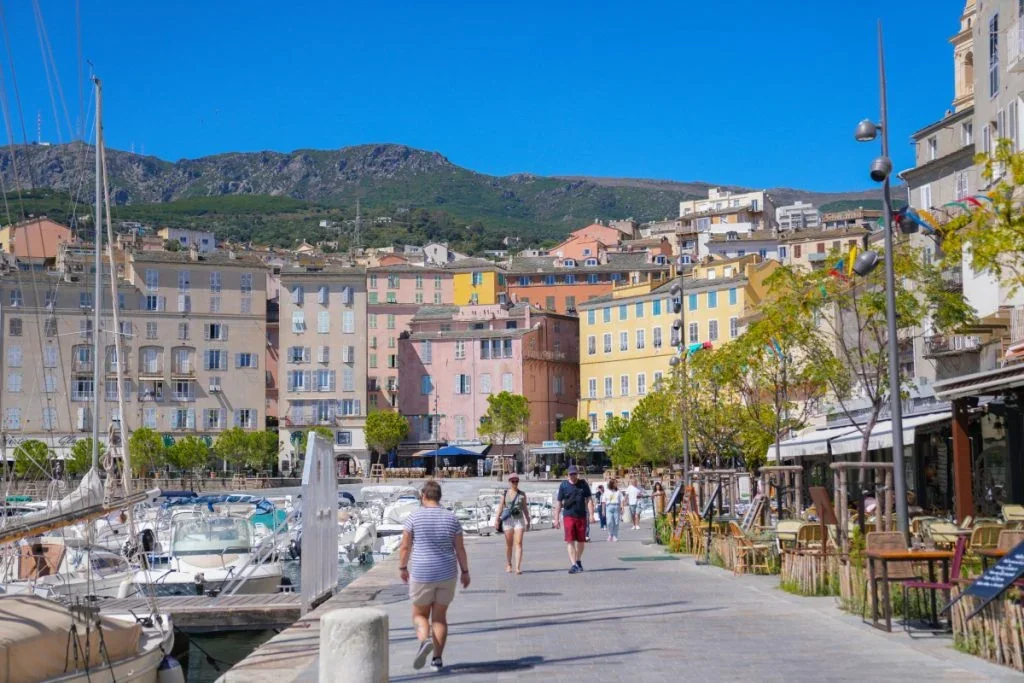
Walk the historic harbour, watch local boats and use it as a base for exploring central Marseille.
Plan ferries to and from Marseille in France, with route choices, harbour guidance and ideas for the rest of your journey.
Choose your route, travel dates, passengers and vehicle to compare current sailings and fares. Search all ferry routes.
Check your ports, passengers, vehicle and dates before completing the reservation.
A major Mediterranean port city combining Provençal character, coastal scenery and long-distance ferry connections
Marseille is France’s great Mediterranean port, a lively city where maritime trade, Provençal culture and migration have shaped an unmistakable identity. The waterfront and ferry terminals sit at the heart of that history.
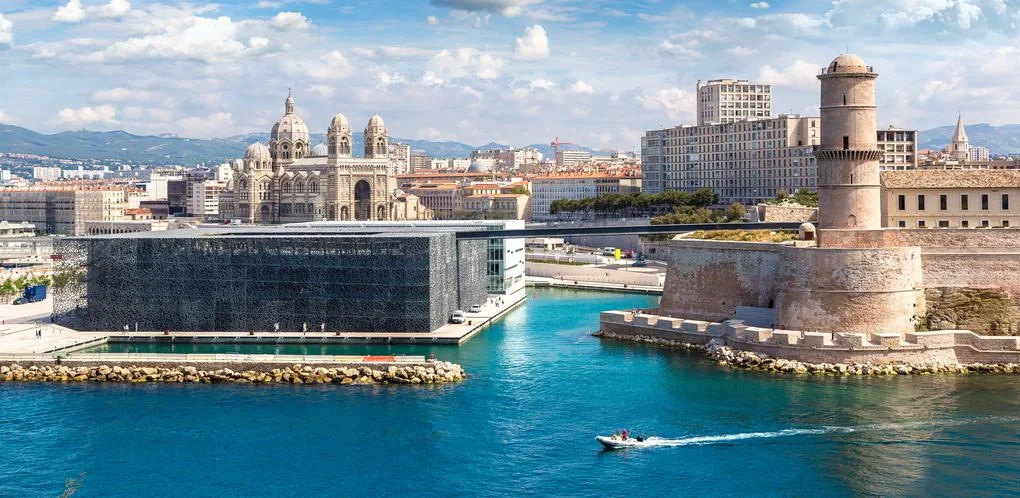
The Vieux-Port is the natural starting point for visitors, framed by cafés, boats and busy streets. Nearby Le Panier climbs through narrow lanes, colourful façades and small squares above the harbour.
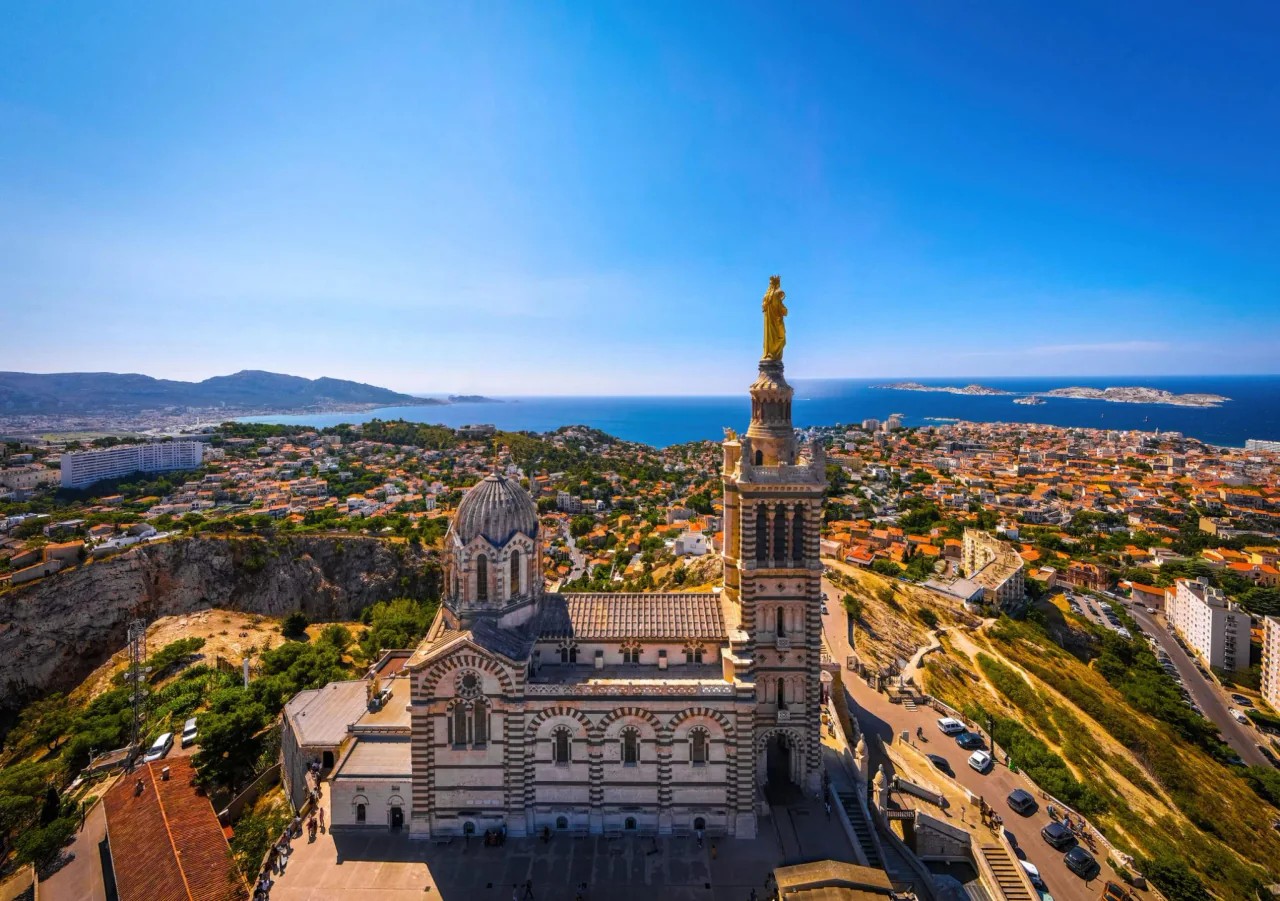
Notre-Dame de la Garde provides the city’s best-known panorama, while MuCEM and Fort Saint-Jean bring contemporary architecture and Mediterranean history to the waterfront.
The Calanques National Park begins on Marseille’s southern edge, offering limestone cliffs, coves and hiking routes that contrast sharply with the urban port.
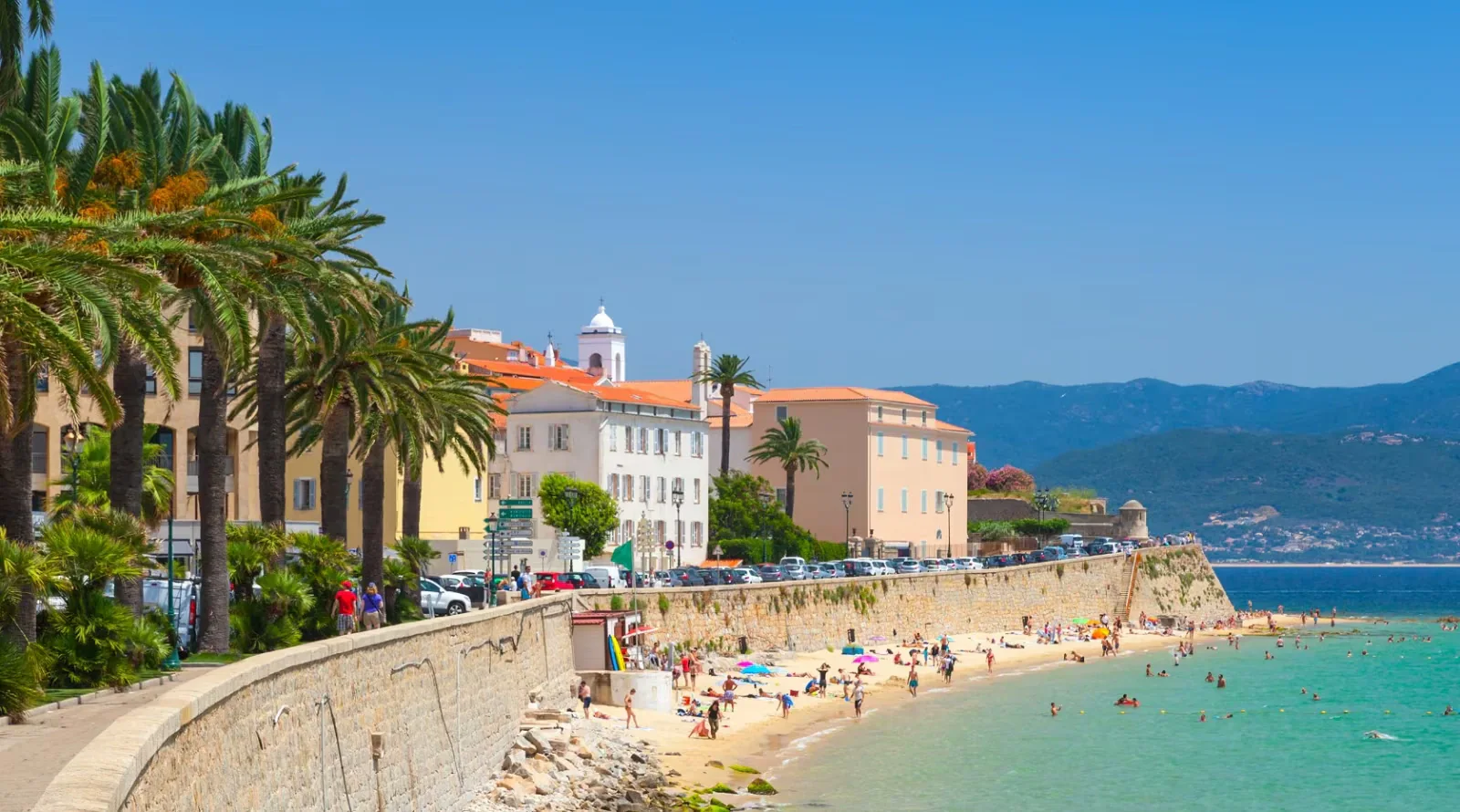
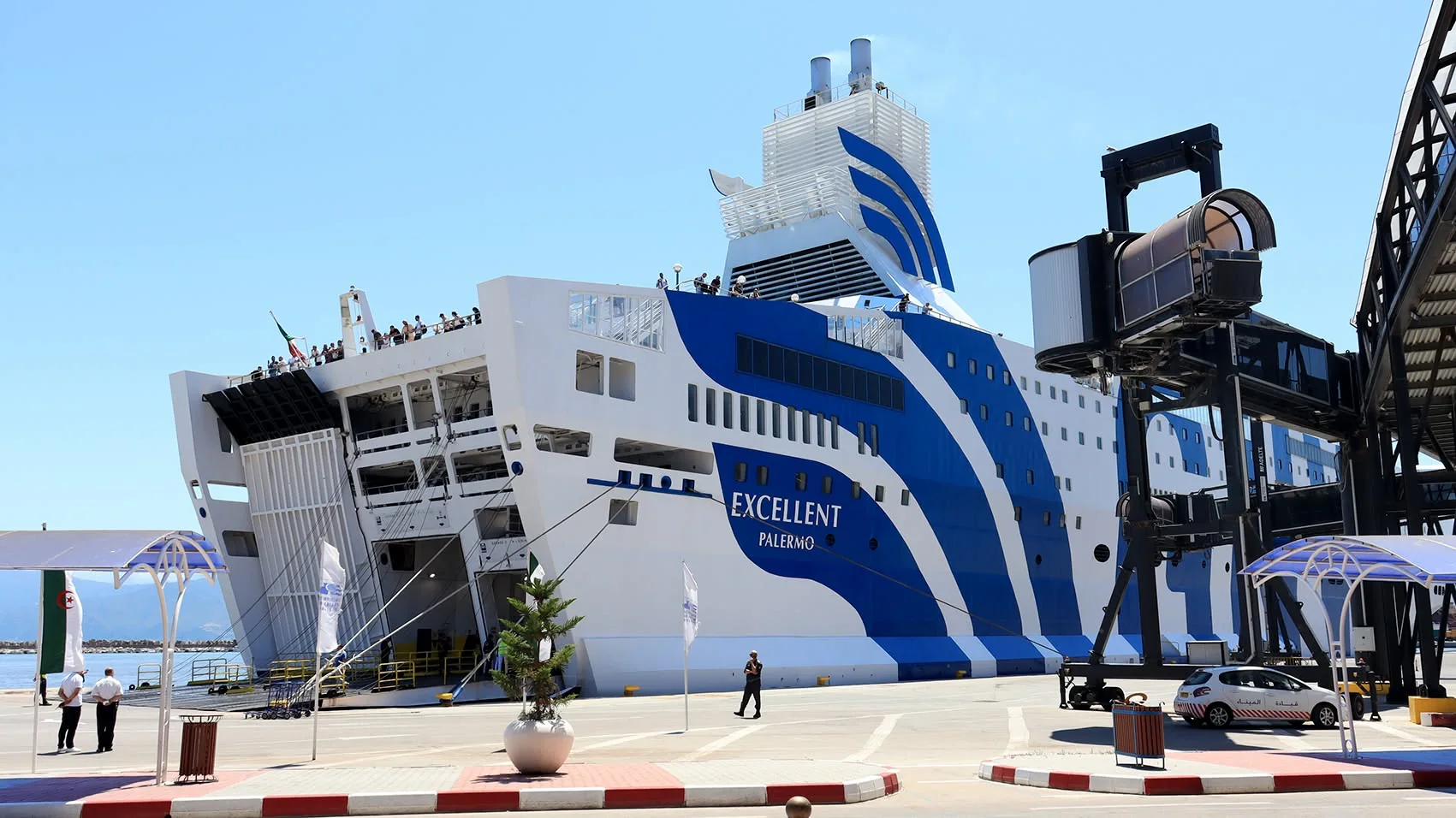
Marseille remains one of Europe’s major long-distance passenger-ferry gateways. Current 2026 operator information shows regular Corsica services to ports including Ajaccio, Bastia, Propriano, Île-Rousse and Porto-Vecchio, together with routes toward Algeria, Tunisia and Tanger Med depending on operator and season.
Marseille rewards travellers who combine the historic port neighbourhoods with one high viewpoint and time on the Mediterranean coast.
Walk the historic harbour, watch local boats and use it as a base for exploring central Marseille.
Explore steep lanes, small squares, galleries and colourful streets in Marseille’s oldest neighbourhood.
Climb or ride to the hilltop basilica for wide views across the city, islands and Mediterranean.
Discover Mediterranean history and striking modern architecture beside the harbour entrance.
Hike or cruise among limestone cliffs and turquoise coves south of the city.
Sample Marseille’s seafood traditions and multicultural food scene around markets and neighbourhood restaurants.
Browse Marseille city tours, Calanques cruises, food experiences and Provence day trips for time before or after an overnight ferry.
Tours and activities displayed in this section are supplied through Viator. Availability, descriptions and prices are provided by the activity supplier and can change.
These are substantial overnight or long-distance ferries carrying foot passengers and booked vehicles. Travellers should follow the operator-specific check-in instructions rather than navigating only to the general port area.
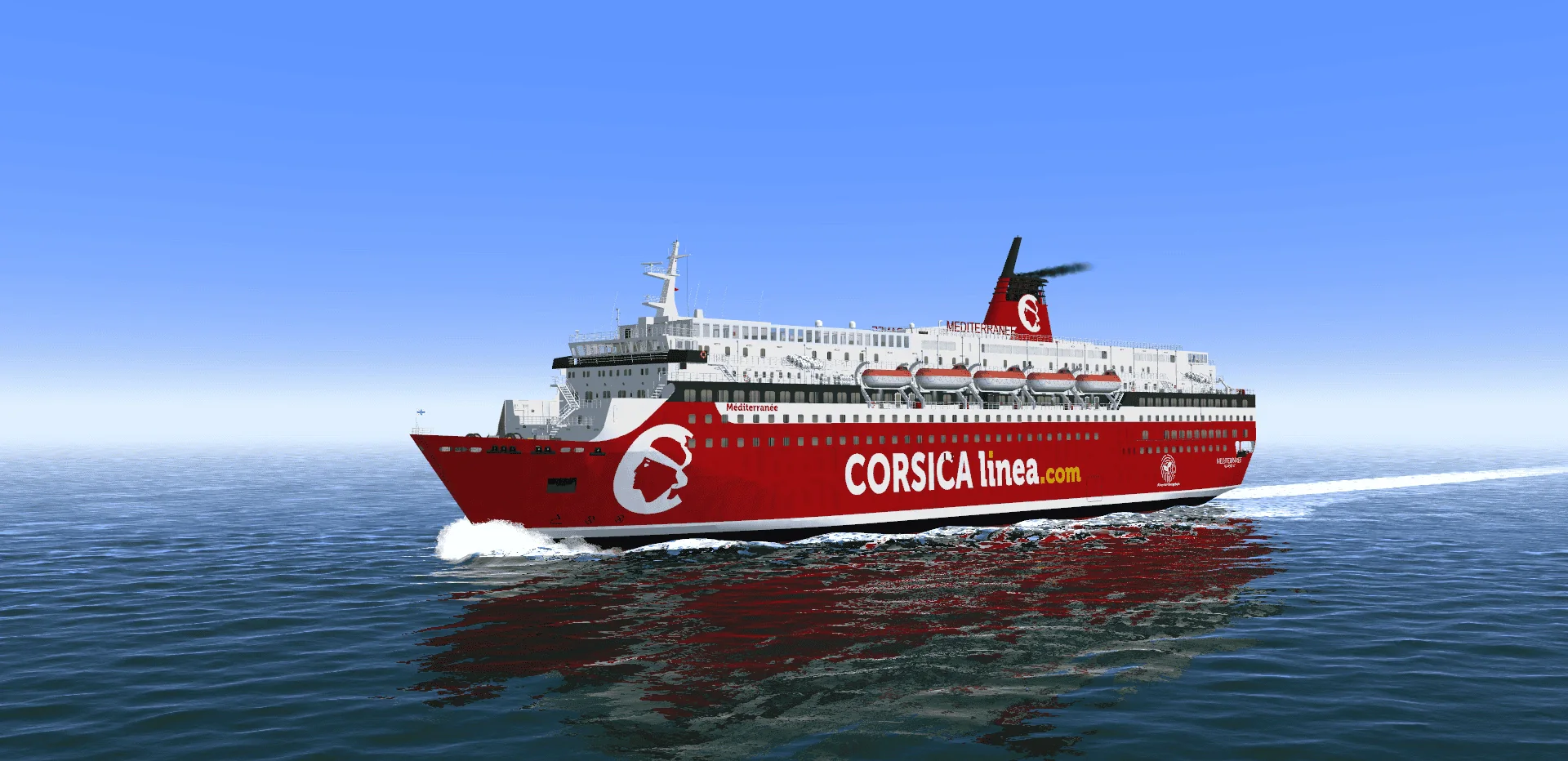
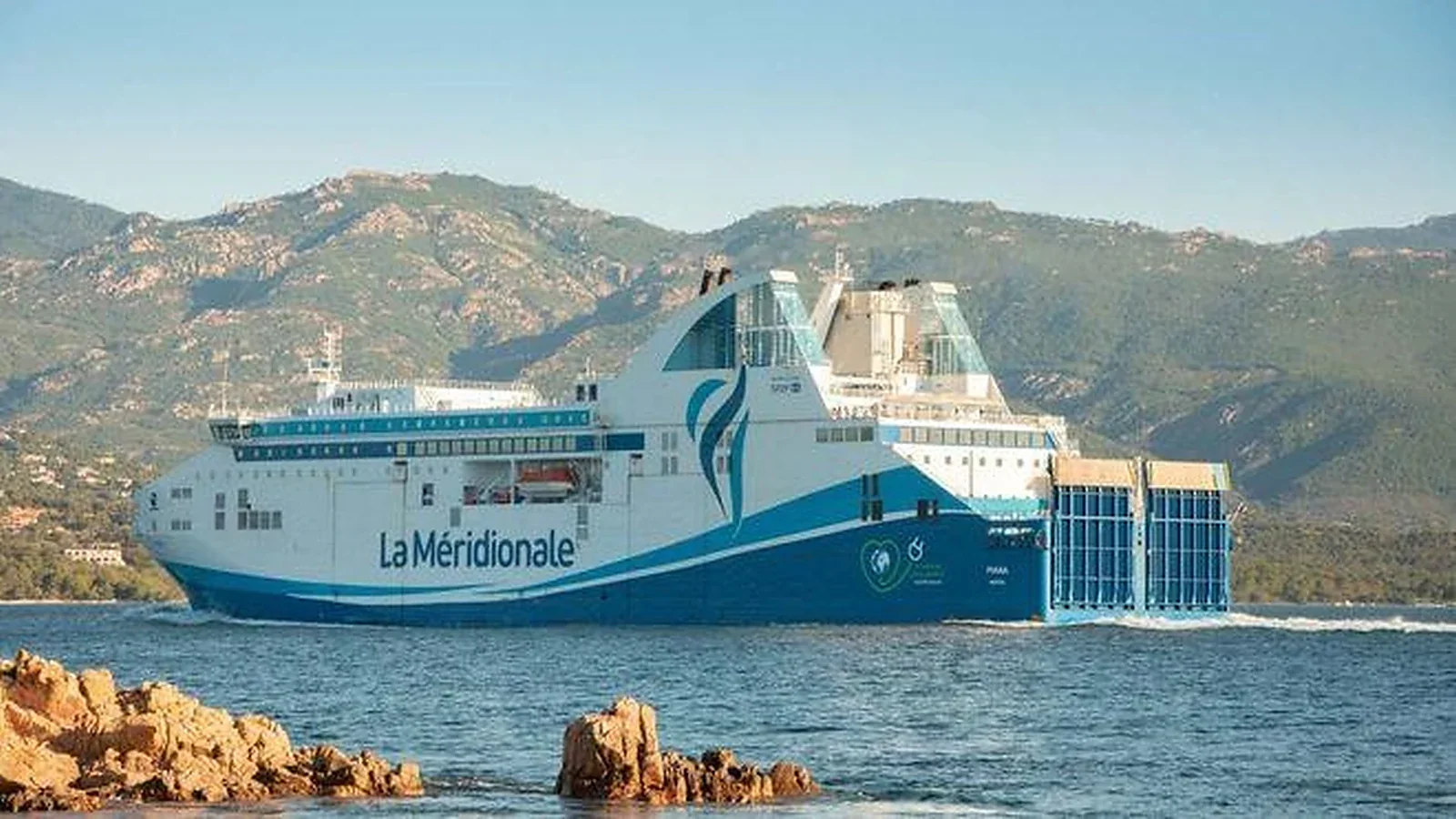
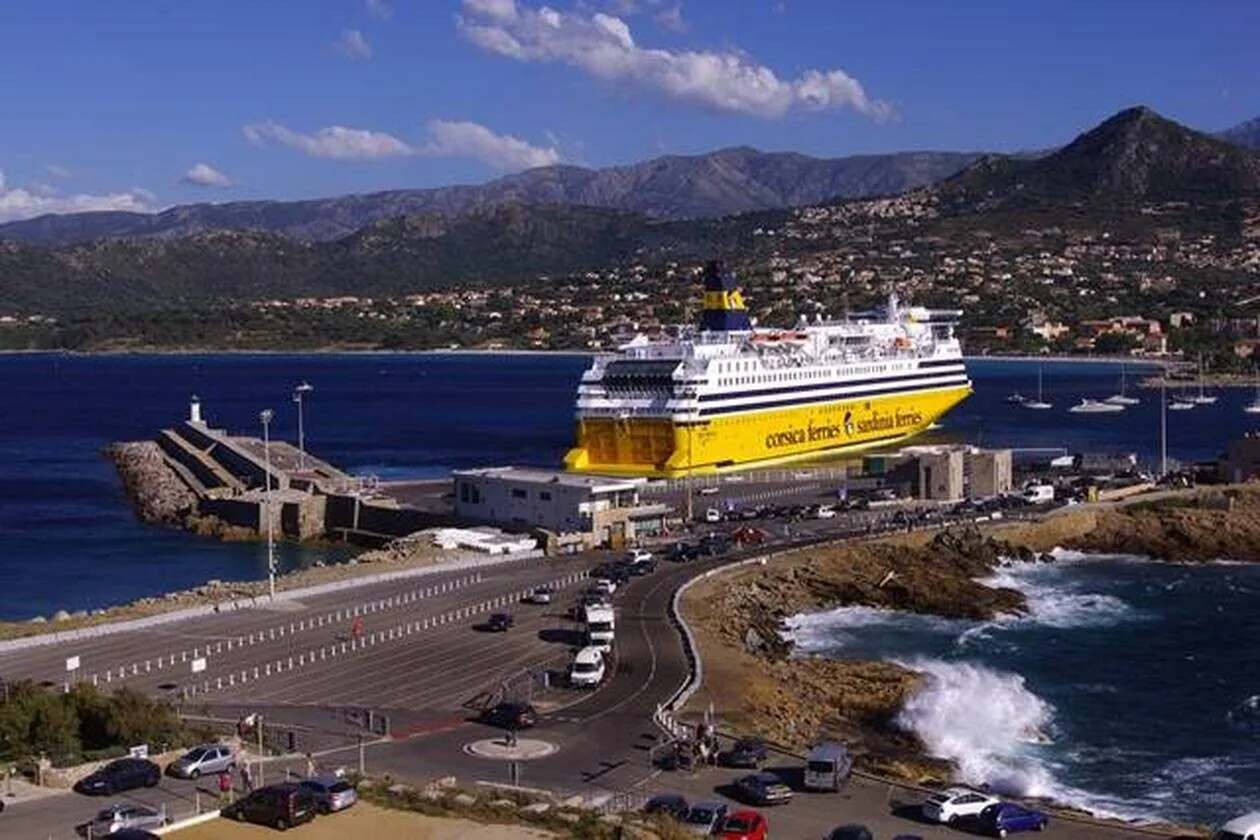
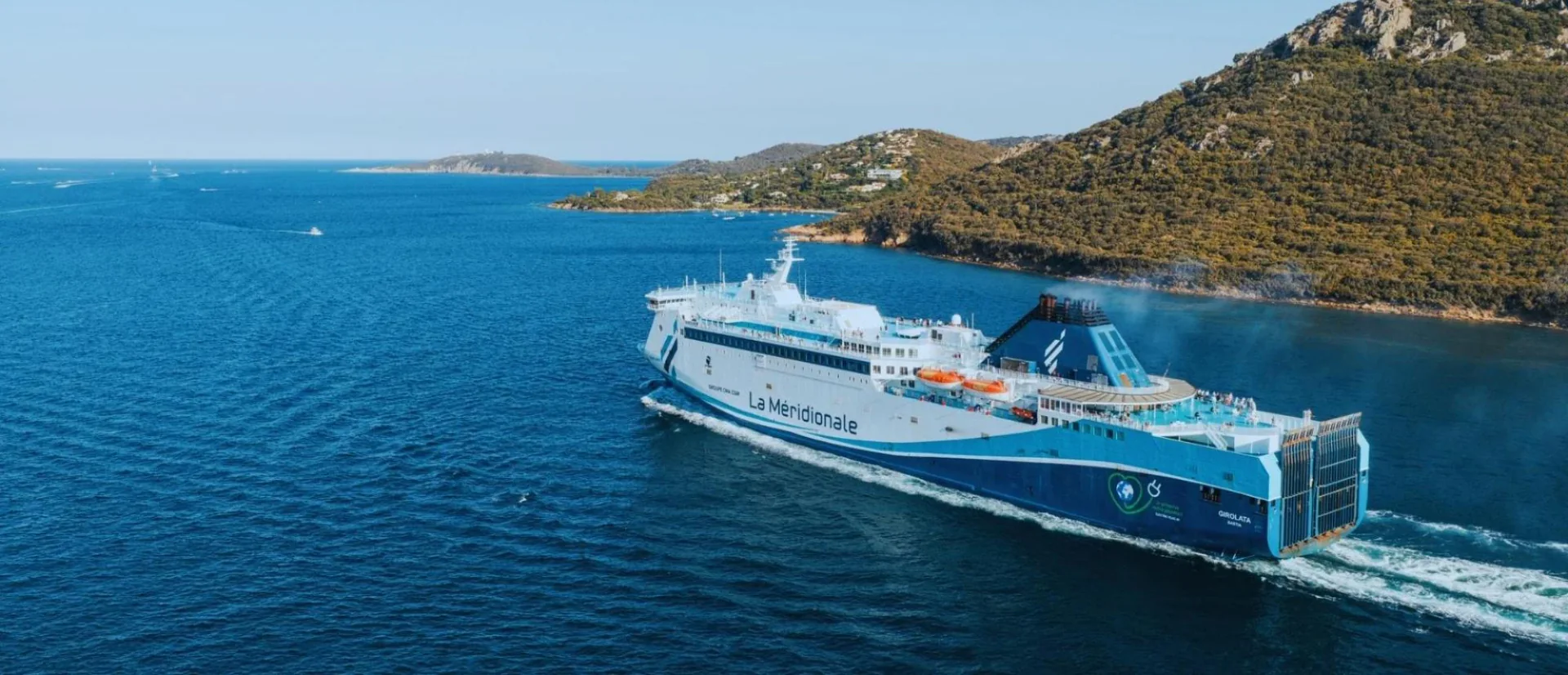
CORSICA linea’s live 2026 traffic information shows Marseille sailings to Corsican ports including Ajaccio, Bastia, Propriano and Île-Rousse, along with North African routes such as Algiers and Tunis. La Méridionale also publishes regular Marseille links to Ajaccio and Porto-Vecchio and a route to Tanger Med.
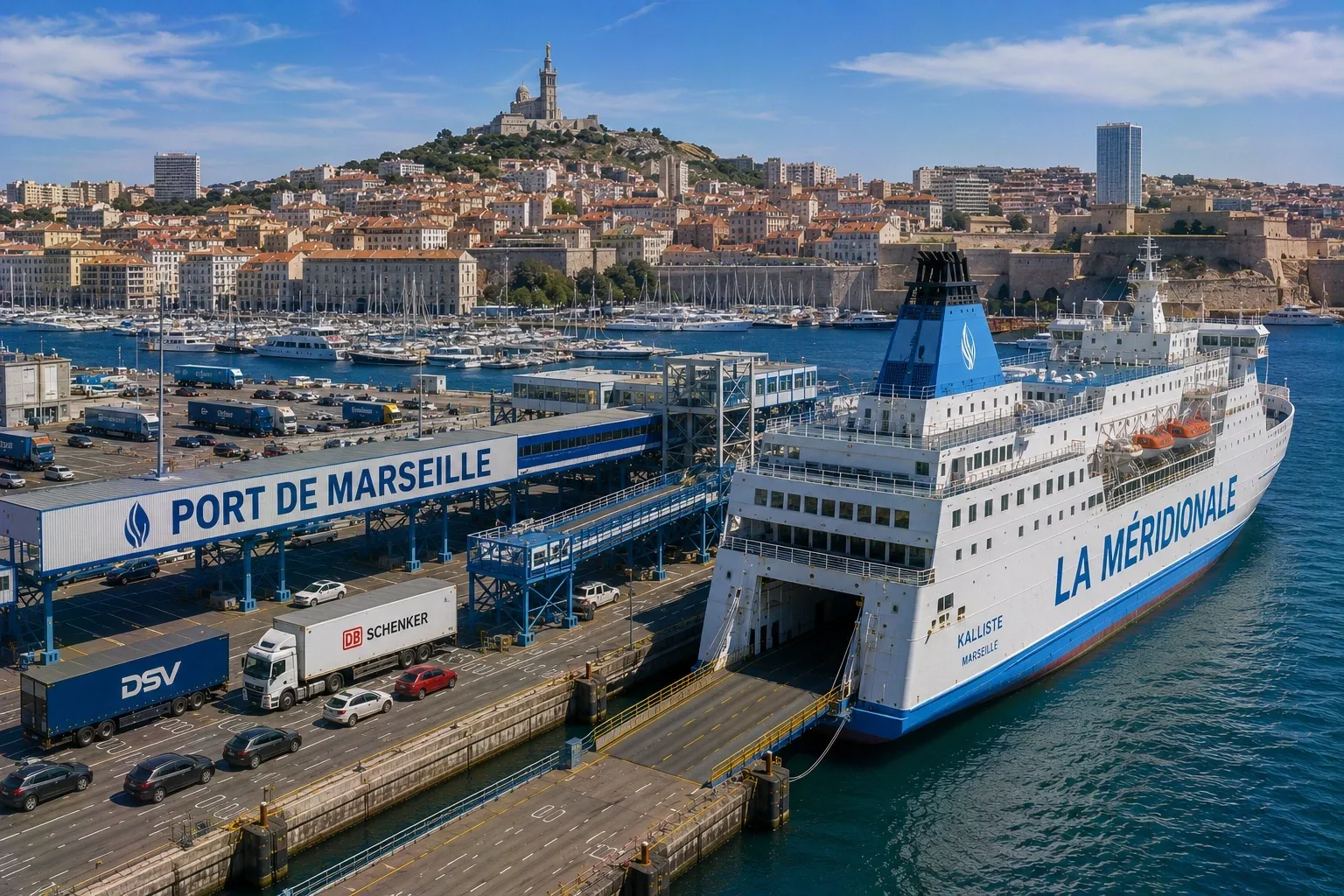
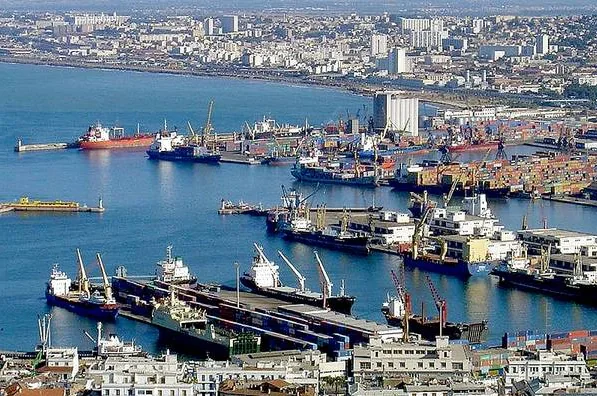
Marseille’s long-distance passenger ferries use terminals within the Grand Port Maritime on the north side of the central waterfront. The exact gate and terminal depend on operator, destination and sailing.
Central Marseille is well served by metro, trams, buses and regional rail; the ferry terminals are spread along the working port, so allow time for the correct gate.
Many central sights are close together, although Marseille’s hills make some walks steeper than the map suggests.
Marseille Saint-Charles is the main rail hub for TGV and regional trains, with metro connections into the city.
Find Marseille rail tickets here...The long-distance ferry port stretches north of the centre; use the operator’s terminal instructions, local transit, taxi or road access.
The Vieux-Port is best for sightseeing; Saint-Charles is convenient for rail connections, while ferry travellers with early check-in may prefer accommodation north of the centre.
Long-distance ferries use several terminals within the Grand Port Maritime north of the Vieux-Port; the exact gate depends on operator and route.
Current services include multiple Corsican ports plus selected routes to Algeria, Tunisia and Tanger Med.
CORSICA linea and La Méridionale are major passenger operators, with route coverage varying by destination and season.
Yes. The main long-distance ferries carry booked cars, motorcycles, motorhomes and other vehicles.
Many Marseille–Corsica sailings are overnight, although occasional daytime services can also operate.
The Vieux-Port, Le Panier, Notre-Dame de la Garde, MuCEM and the Calanques are major highlights.
The ferry terminals are not all beside Saint-Charles station, but public transport, taxis and road connections link the rail hub with the port.
Follow the booked operator’s check-in instructions carefully; long-distance international and vehicle ferries require more time than a local passenger boat.
The route catalogue includes departures towards Ajaccio, Algiers, Bastia, Béjaïa, Porto-Vecchio, Propriano, Skikda, Tangier Med, Tunis, Île-Rousse. Each direction has its own guide so that you can check the correct starting pier and arrival arrangements. A listed connection may be seasonal, a multi-stop itinerary or a former service; read its service status before making plans.
No matches. Try a different place name or clear the filters.
La Méridionale, CORSICA linea
CORSICA linea
La Méridionale
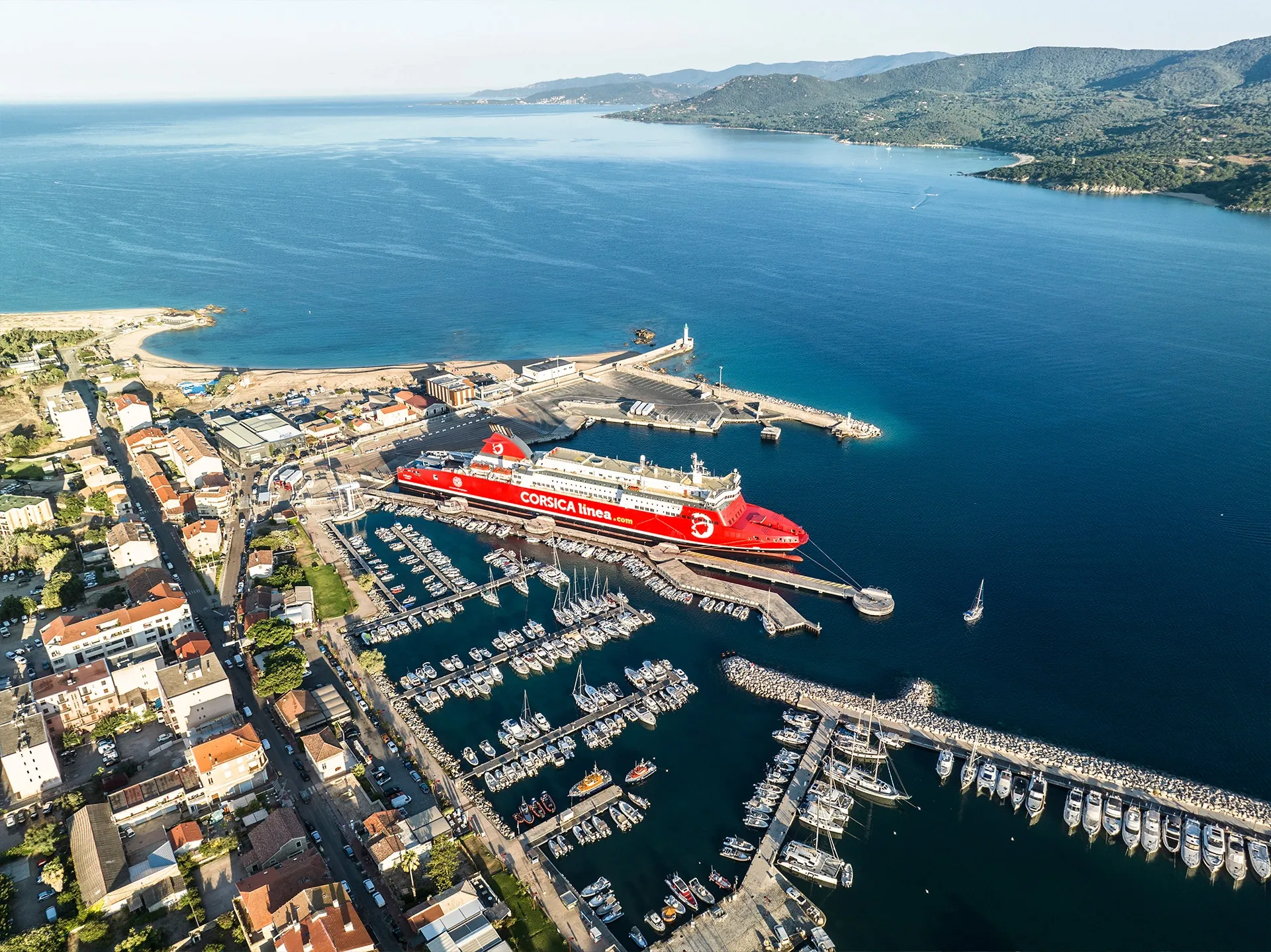
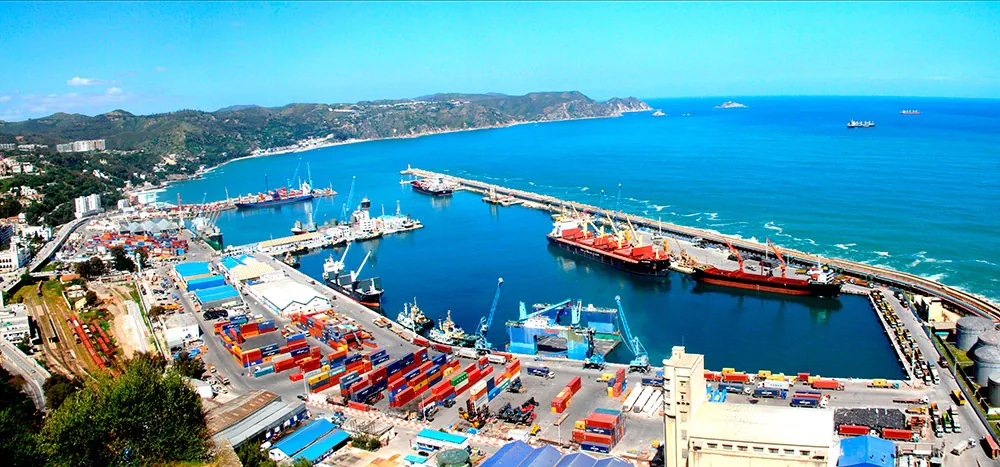
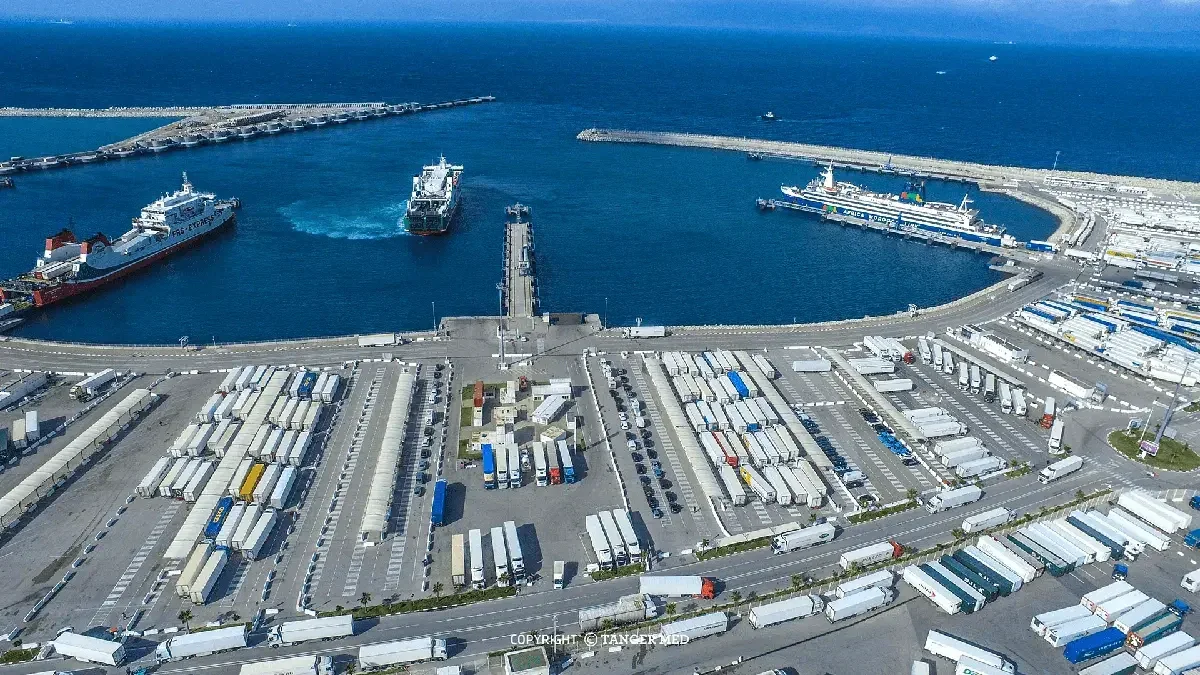
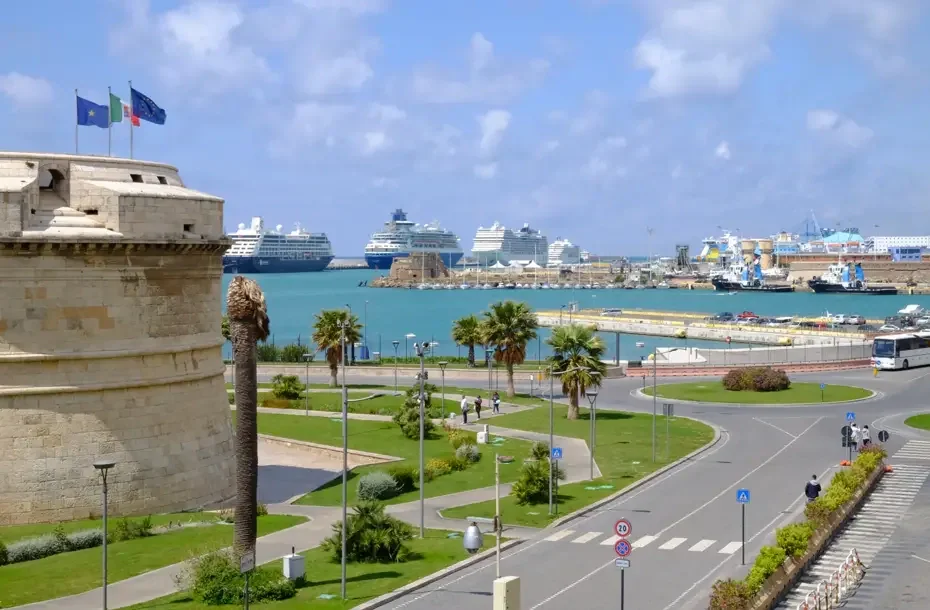
Marseille is CORSICA linea’s principal French hub. The port is large and divided into several passenger and freight areas, so use the gate and terminal instructions on the booking.
Pin the precise ferry terminal before travelling to Marseille. Some towns have separate passenger quays, vehicle terminals and excursion-boat landings. The operator’s address on your confirmation is more useful than a town-centre map pin.
For a car journey, leave a margin for the final approach, queueing and check-in. Without a car, confirm the last part of the journey from the railway station or bus stop. A short map distance may involve port roads or areas closed to pedestrians; use a confirmed transfer or walking route.
Keep your booking reference and required documents accessible. If you need step-free boarding, help with luggage or space for a bicycle, arrange it before the day of travel. Small piers and large vehicle terminals can offer very different facilities.
Plan each sea leg as a separate part of the trip. Check the arrival port, transfer distance, vehicle restrictions and the time before the next sailing. A ticket sold by one company or booking provider does not automatically create a protected connection with another.
Check your arrival time against accommodation check-in and the next transport service. If this is an island stay, organise the return ferry before fixing a mainland flight or a long-distance train. The outward and return ports do not have to be the same, but separate tickets can have different conditions.
European ferries for UK travellers · Detailed planning advice
Check live sailing options, passenger fares, vehicle prices and onboard accommodation for your travel dates.


