


Alcazaba
Explore the hilltop Moorish fortress, courtyards and gardens overlooking the old town and port.

Plan ferries to and from Málaga in Spain, with route choices, harbour guidance and ideas for the rest of your journey.
Choose your route, travel dates, passengers and vehicle to compare current sailings and fares. Search all ferry routes.
Check your ports, passengers, vehicle and dates before completing the reservation.
A Mediterranean city of art, Moorish heritage and beaches with a direct ferry to Melilla
Málaga has transformed from a gateway to the Costa del Sol into one of southern Spain’s strongest city-break destinations. A compact historic centre, major museums, Mediterranean beaches and excellent food make it easy to spend several days here before or after a ferry crossing.
The Alcazaba and Gibralfaro rise above the old town and provide the clearest link with Málaga’s Moorish history. Below them, the Roman Theatre and pedestrian streets create a dense sightseeing area that is straightforward to explore on foot.
Málaga is also closely associated with Pablo Picasso. The Museo Picasso Málaga is the best-known cultural stop, but the city now has a much broader museum scene covering contemporary art, design and local history.
The waterfront has been redeveloped around Muelle Uno, while Malagueta Beach begins just beyond the harbour. This allows visitors to combine historic sights, shopping, restaurants and the sea without leaving the central area.
Baleària operates a direct passenger and vehicle ferry between Málaga and Melilla. Current route information describes a crossing of about six and a half hours, giving travellers a convenient sea link between mainland Andalusia and the Spanish city on the North African coast.
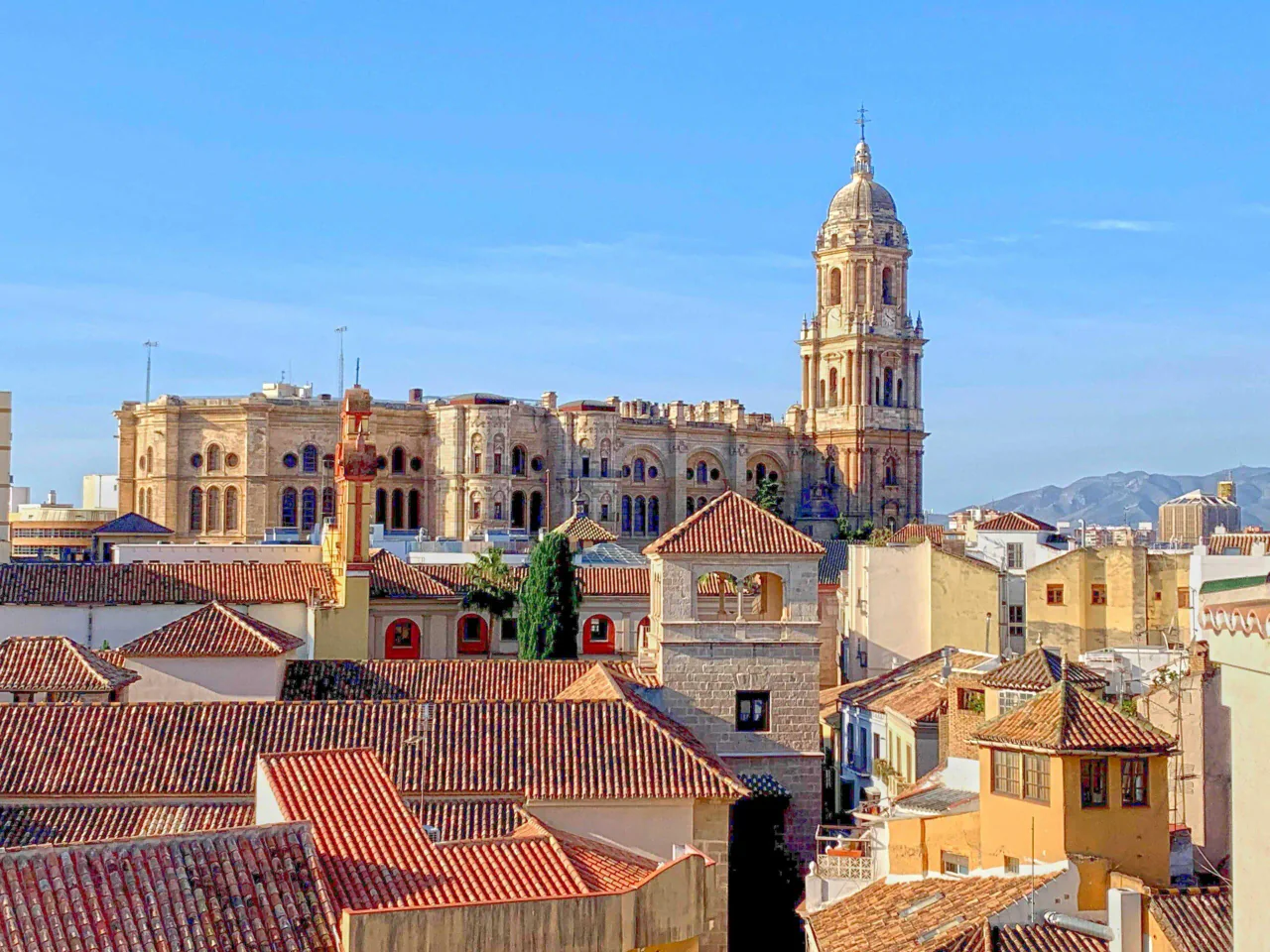
Málaga is exceptionally easy to enjoy on a short stop because its major historic sights, museums, waterfront and beach are concentrated close together.
Explore the hilltop Moorish fortress, courtyards and gardens overlooking the old town and port.
Climb or ride above the city for panoramic views across Málaga, the harbour and Mediterranean coast.
Discover the work of Málaga’s most famous artist in a historic palace in the old town.
Walk pedestrian streets around the cathedral, plazas, tapas bars and the Roman Theatre.
Enjoy the modern waterfront promenade, restaurants, shops and cultural spaces beside the harbour.
Reach a central Mediterranean beach within walking distance of the port and historic centre.
Browse Málaga city tours, Caminito del Rey trips, food experiences, museum visits and excursions across the Costa del Sol and Andalusia.
Tours and activities displayed in this section are supplied through Viator. Availability, descriptions and prices are provided by the activity supplier and can change.
Málaga María Zambrano railway station is roughly one kilometre from the port area and provides high-speed and regional connections. The airport is also easily reached by suburban rail, bus, taxi or road.
Baleària currently operates the direct Málaga–Melilla passenger and vehicle route. The operator advertises a journey of approximately six hours 30 minutes, with the exact weekly pattern and departure times varying by date.
Málaga’s passenger ferries use the maritime-station area within the central Port of Málaga. The port is unusually convenient for visitors because the historic centre, Muelle Uno and main transport links are all close by.
Málaga is easy without a car: the old town is walkable and suburban rail, buses and high-speed trains connect the airport and wider Andalusia.
The cathedral, Alcazaba, Picasso Museum, Muelle Uno and central shopping streets are all close together.
María Zambrano station handles long-distance trains, while the suburban network also links central Málaga with the airport and Costa del Sol.
Find Málaga rail tickets here...City and regional buses are useful for beaches, outer districts and destinations that are not directly served by rail.
The historic centre gives the best sightseeing access; Soho and the port edge are convenient for ferry travellers, while beach districts suit longer coastal stays.
Passenger ferries use the maritime-station area inside the central Port of Málaga, close to the historic centre.
The principal current passenger route connects Málaga directly with Melilla.
Baleària operates the current direct passenger and vehicle route.
Baleària currently advertises a journey of approximately six hours 30 minutes.
Yes. The Málaga–Melilla service carries booked vehicles as well as passengers.
Málaga María Zambrano railway station is roughly one kilometre from the port area.
The Alcazaba, Gibralfaro, Picasso Museum, old town, Muelle Uno and Malagueta Beach are major highlights.
Advance booking is recommended, particularly with a vehicle or during holidays and peak summer travel periods.
The route catalogue includes departures towards Melilla. Each direction has its own guide so that you can check the correct starting pier and arrival arrangements. A listed connection may be seasonal, a multi-stop itinerary or a former service; read its service status before making plans.
No matches. Try a different place name or clear the filters.
Baleària
Málaga is the Costa del Sol departure gateway for Melilla. Follow the passenger-terminal directions for the sailing you book and include time to reach check-in from the city or a rail connection.
Pin the precise ferry terminal before travelling to Málaga. Some towns have separate passenger quays, vehicle terminals and excursion-boat landings. The operator’s address on your confirmation is more useful than a town-centre map pin.
For a car journey, leave a margin for the final approach, queueing and check-in. Without a car, confirm the last part of the journey from the railway station or bus stop. A short map distance may involve port roads or areas closed to pedestrians; use a confirmed transfer or walking route.
Keep your booking reference and required documents accessible. If you need step-free boarding, help with luggage or space for a bicycle, arrange it before the day of travel. Small piers and large vehicle terminals can offer very different facilities.
Plan each sea leg as a separate part of the trip. Check the arrival port, transfer distance, vehicle restrictions and the time before the next sailing. A ticket sold by one company or booking provider does not automatically create a protected connection with another.
Check your arrival time against accommodation check-in and the next transport service. If this is an island stay, organise the return ferry before fixing a mainland flight or a long-distance train. The outward and return ports do not have to be the same, but separate tickets can have different conditions.
European ferries for UK travellers · Detailed planning advice
Check live sailing options, passenger fares, vehicle prices and onboard accommodation for your travel dates.


