

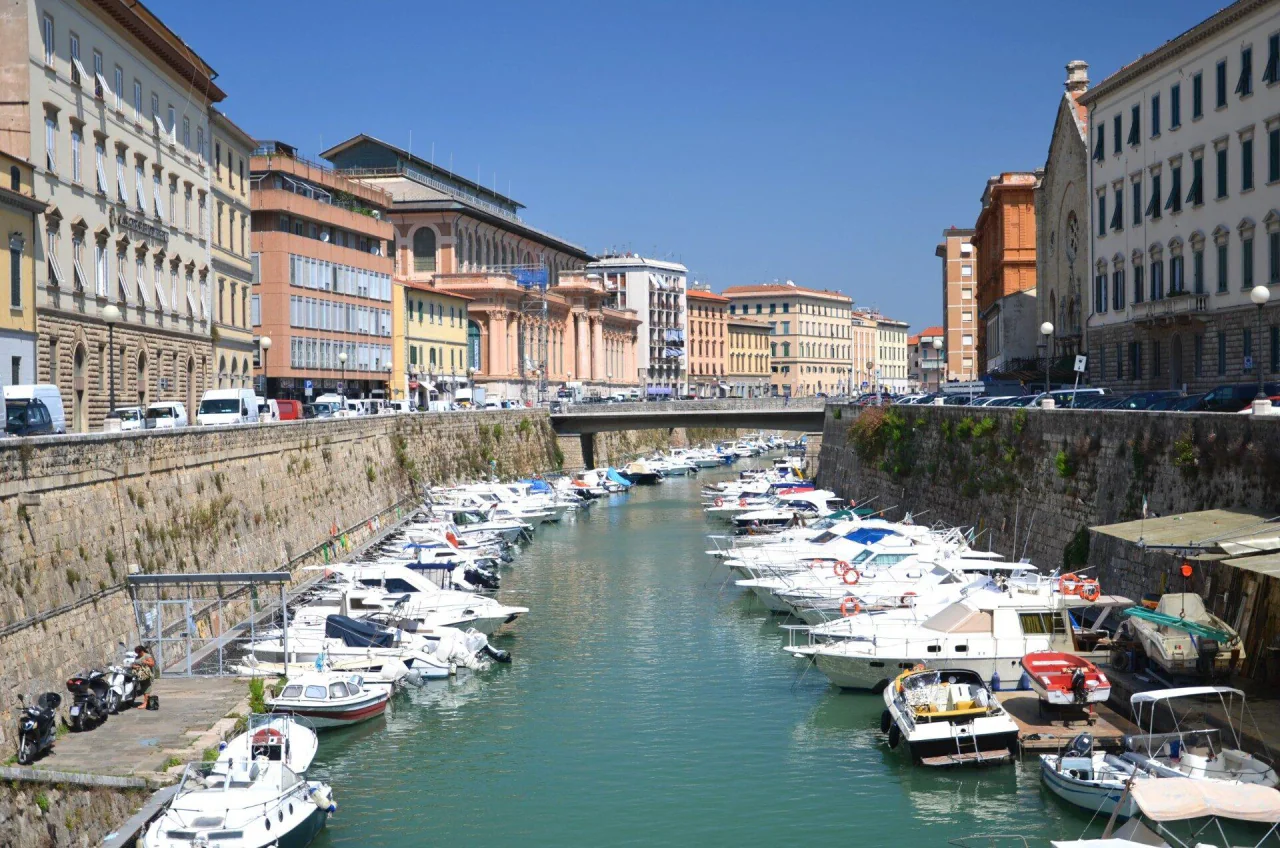
Venezia Nuova
Walk the historic canal district for bridges, old warehouses, churches and a distinctive waterside atmosphere.
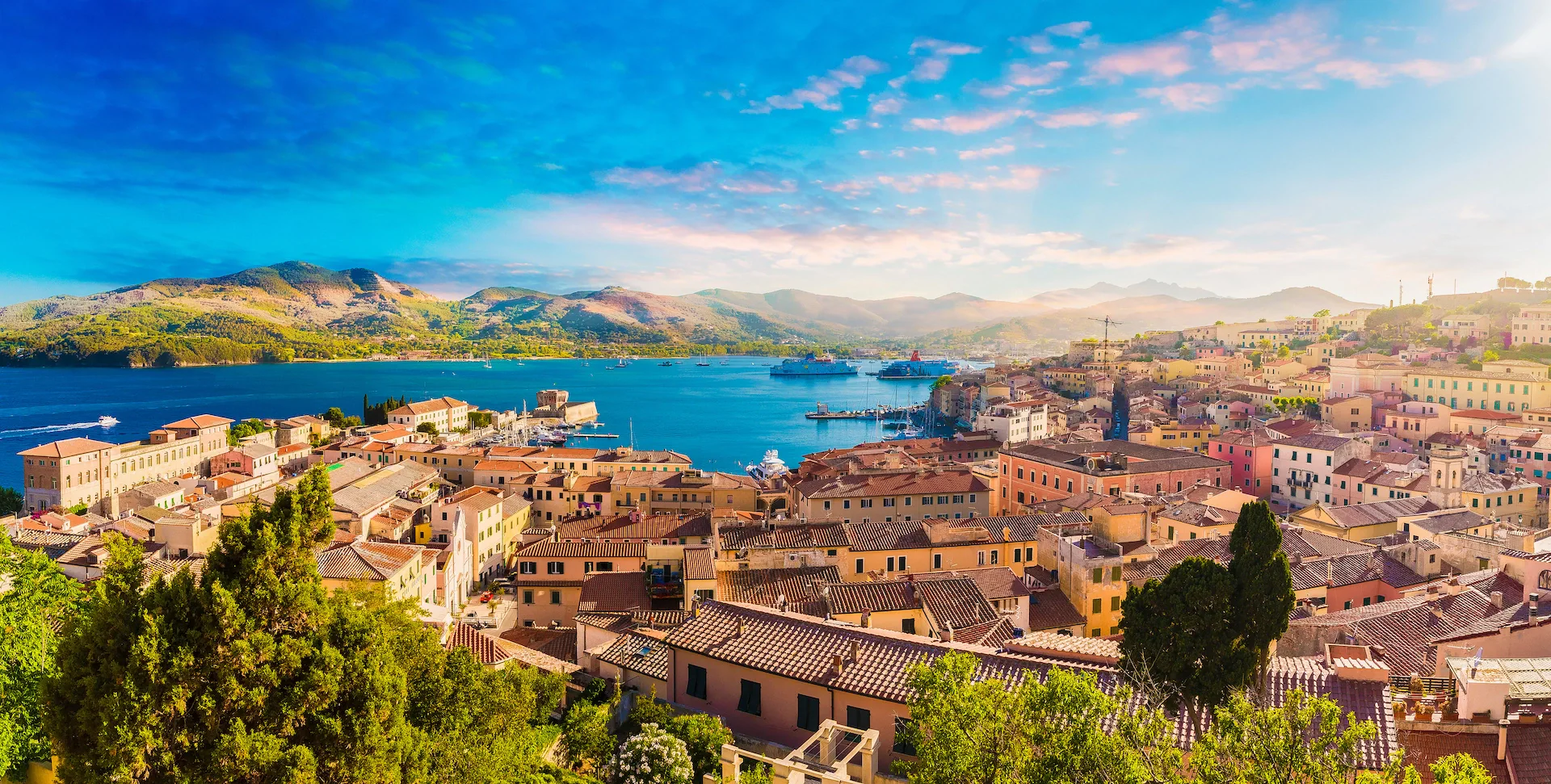
Plan ferries to and from Livorno in Italy, with route choices, harbour guidance and ideas for the rest of your journey.
Choose your route, travel dates, passengers and vehicle to compare current sailings and fares. Search all ferry routes.
Check your ports, passengers, vehicle and dates before completing the reservation.
A working Tuscan port with canal districts, seafood and major island ferry connections
Livorno is Tuscany’s major seaport and has a character quite different from nearby Pisa or Florence. Canals, working docks, seafood markets and a broad seafront give the city an unmistakably maritime identity.
Venezia Nuova is the most atmospheric historic district, where canals pass warehouses, churches and old merchant buildings. Boat tours and waterside walks reveal a side of Tuscany that many visitors overlook.
Along the coast, Terrazza Mascagni provides a grand chequerboard promenade facing the Ligurian Sea. The nearby aquarium and seaside districts make this an easy area to combine with a ferry stopover.
Livorno is also a useful base for wider Tuscany. Pisa is close by, while Lucca, Florence, the Etruscan coast and wine-country routes can all be reached by train or road.
The passenger port supports a substantial network of island ferries. Current services include year-round Moby sailings to Olbia, frequent Corsica Ferries crossings to Bastia and regular Grimaldi Lines departures to Palermo, with additional seasonal and operator-specific routes depending on date.
Livorno is worth treating as more than a transit port, especially if you enjoy waterfront neighbourhoods, seafood and easy side trips into Tuscany.
Walk the historic canal district for bridges, old warehouses, churches and a distinctive waterside atmosphere.
Stroll the landmark chequerboard promenade with open views across the Ligurian Sea.
Discover one of Italy’s largest covered markets and sample Livorno’s strong seafood and produce traditions.
Explore the canal-side fortress and surrounding green spaces in the historic centre.
Use Livorno as a base for beaches and coastal towns south of the city along the Etruscan Coast.
Combine the ferry port with Pisa, Lucca, Florence or inland Tuscany using rail and road connections.
Browse Livorno shore excursions, Pisa and Florence day trips, Tuscan food tours and experiences around the coast and inland Tuscany.
Tours and activities displayed in this section are supplied through Viator. Availability, descriptions and prices are provided by the activity supplier and can change.
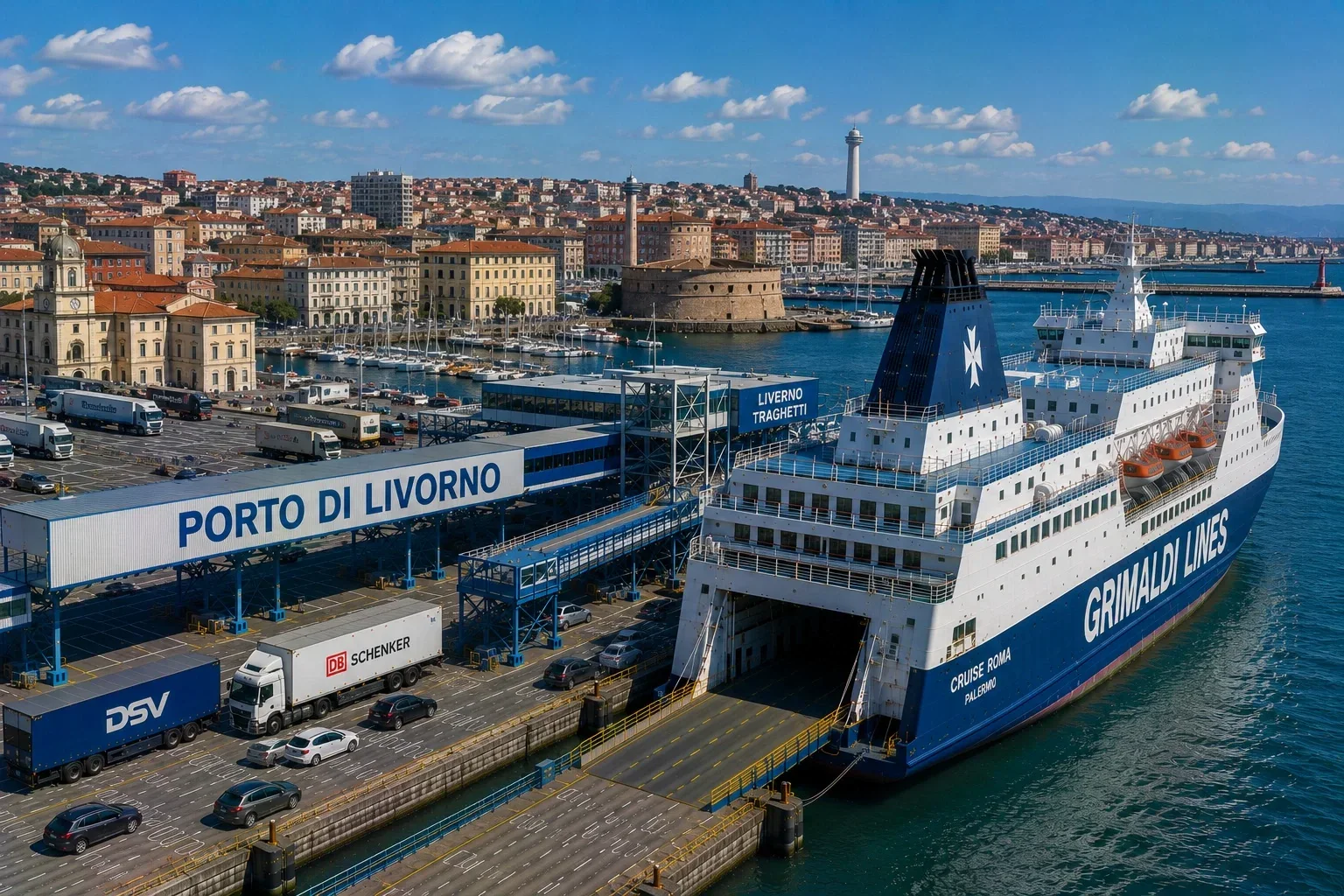
Livorno Centrale railway station is inland from the port. Porto di Livorno 2000 advises using local transport towards Piazza Grande and the maritime-station area; drivers should follow the dedicated port signs rather than relying only on a generic city-centre navigation point.
Major current routes include Moby’s Livorno–Olbia service, Corsica Ferries’ Livorno–Bastia route and Grimaldi Lines’ direct Livorno–Palermo crossing. Other Sardinia and island services may operate depending on season and operator.
Livorno has several passenger-ferry berths rather than one small standalone terminal. Porto di Livorno 2000 manages the principal passenger facilities and advises ferry travellers to follow signs for passenger embarkation via Varco Donegani.
Livorno’s centre is walkable around the canals and waterfront, while buses, trains and road links make Pisa and the rest of Tuscany easy to reach.
Venezia Nuova, the market and much of central Livorno can be explored comfortably on foot.
Livorno Centrale connects with Pisa and other Tuscan cities, making rail practical if you are travelling without a car.
Find Livorno rail tickets here...A car is useful for the Etruscan Coast, rural Tuscany and ferry journeys where you intend to continue driving on Sardinia or Sicily.
Central Livorno suits sightseeing and dining; the seafront offers a quieter setting, while ferry-day travellers should check road access to their exact embarkation berth.
Livorno has several ferry berths. Passenger vehicles are generally directed via the port’s signed embarkation access at Varco Donegani.
Major direct passenger routes include Olbia in Sardinia, Bastia in Corsica and Palermo in Sicily, with additional services depending on season.
Moby Lines, Corsica Ferries and Grimaldi Lines are among the principal operators on major island routes.
Yes. The principal Sardinia, Corsica and Sicily services carry booked vehicles as well as passengers.
Moby currently advertises roughly 7 hours 50 minutes to 9 hours for daytime sailings and around 9 hours overnight, depending on the departure.
Corsica Ferries advertises a crossing of around four hours on the direct route.
Livorno Centrale is not directly inside the ferry port, but local buses and taxis connect the station with the central port area.
Venezia Nuova, Terrazza Mascagni, the Central Market, Fortezza Nuova and the seafood scene are key highlights.
The route catalogue includes departures towards Bastia, Capraia, Golfo Aranci, Olbia, Palermo. Each direction has its own guide so that you can check the correct starting pier and arrival arrangements. A listed connection may be seasonal, a multi-stop itinerary or a former service; read its service status before making plans.
No matches. Try a different place name or clear the filters.
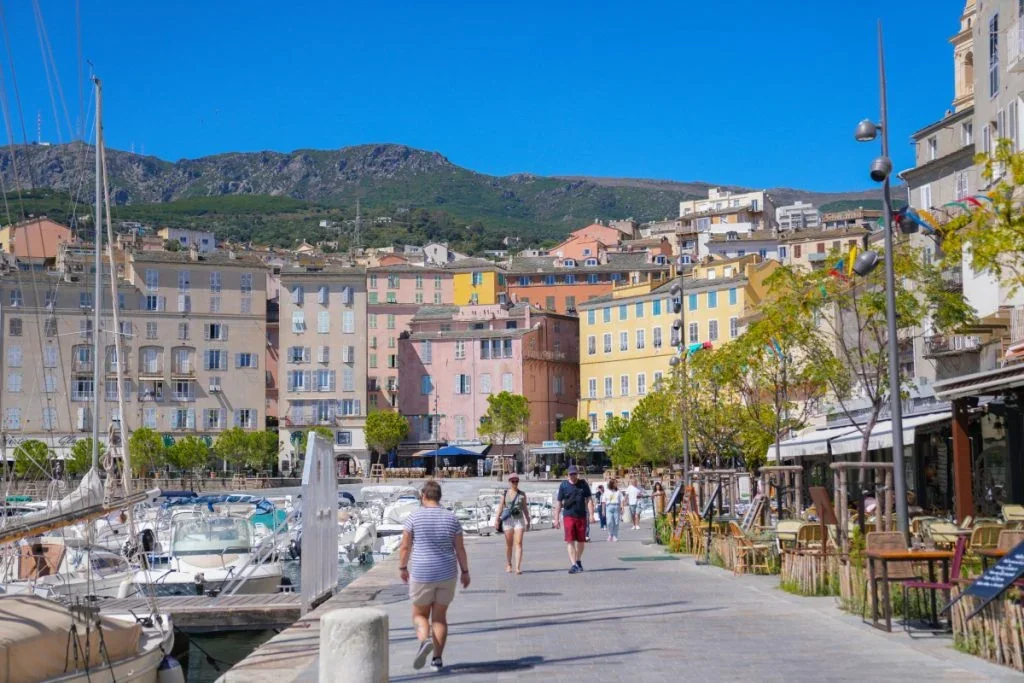
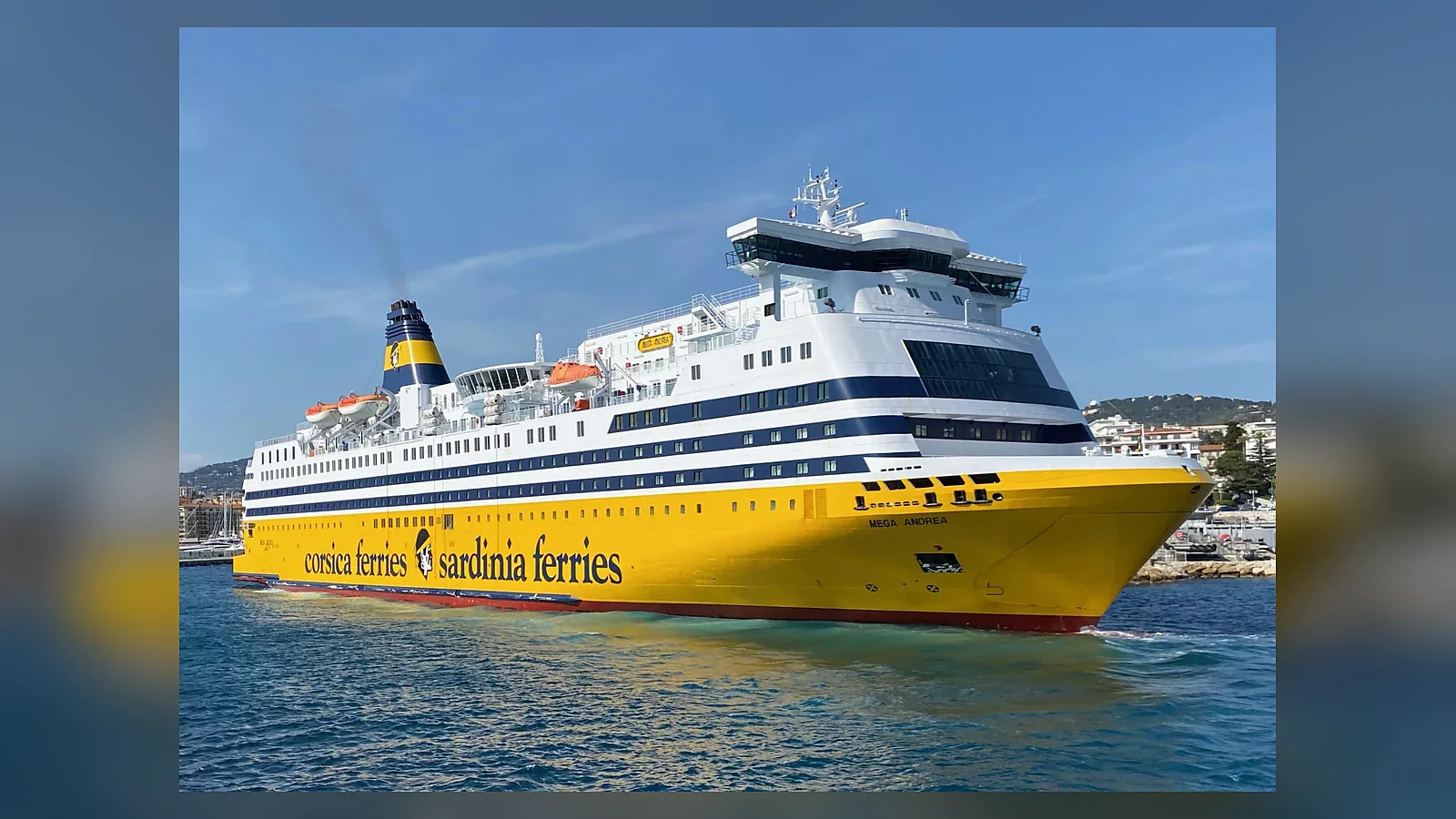
Corsica Ferries, Moby Lines
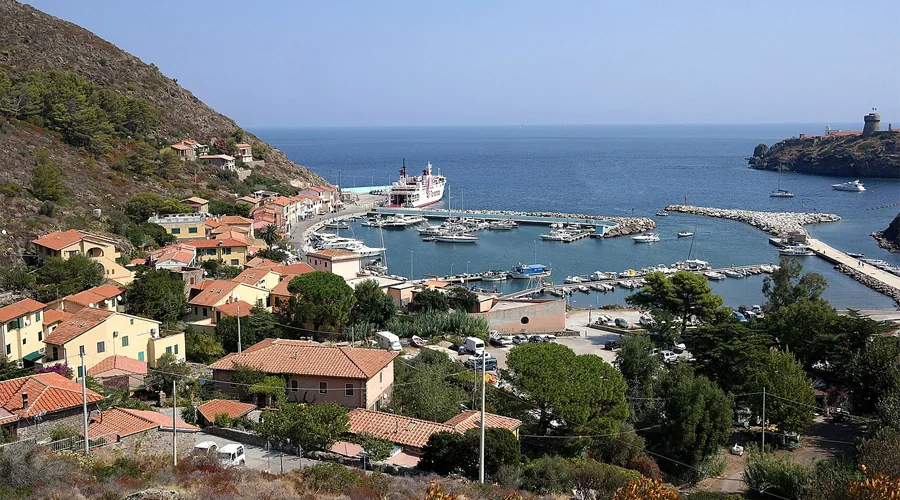
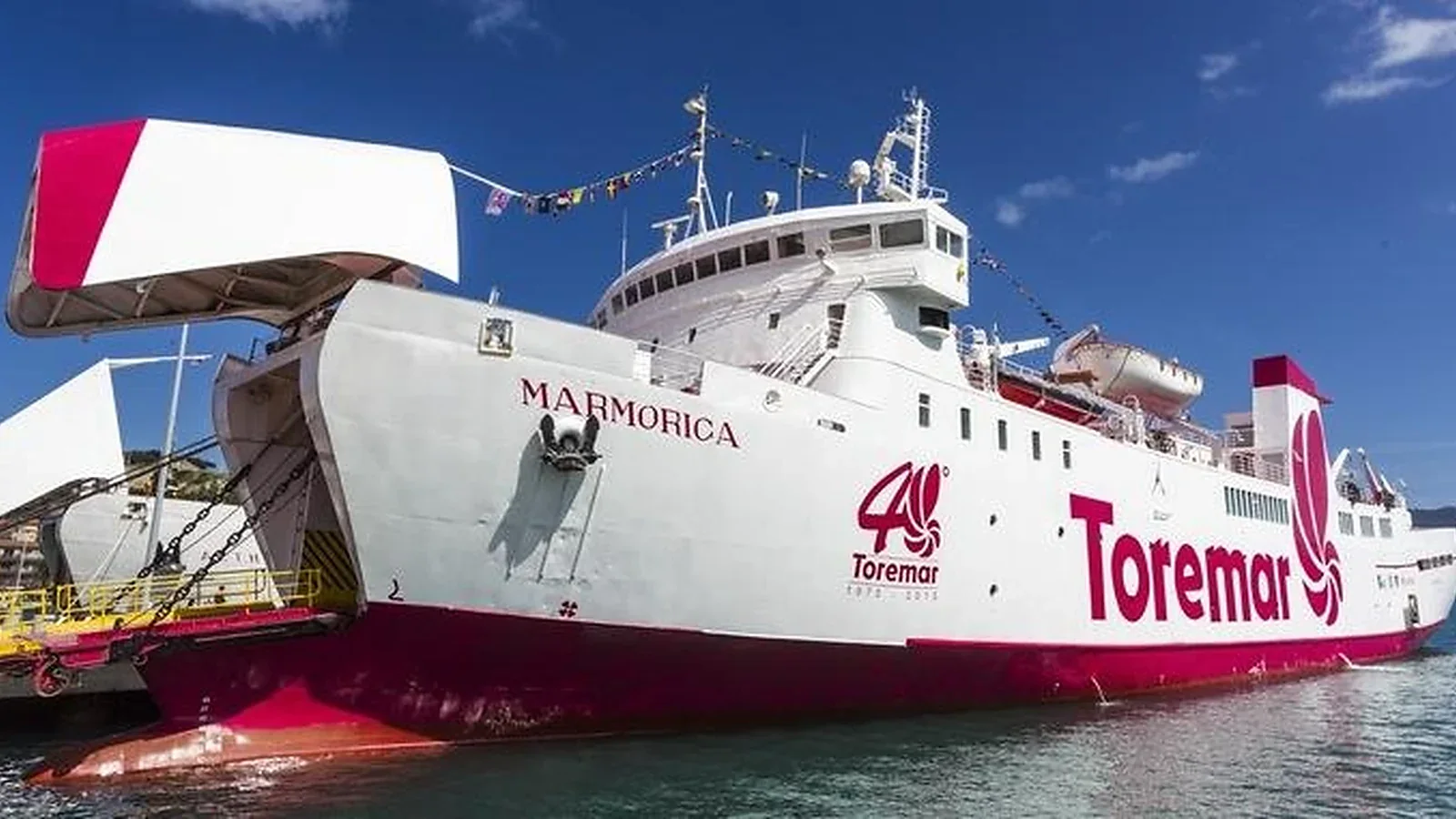
Toremar
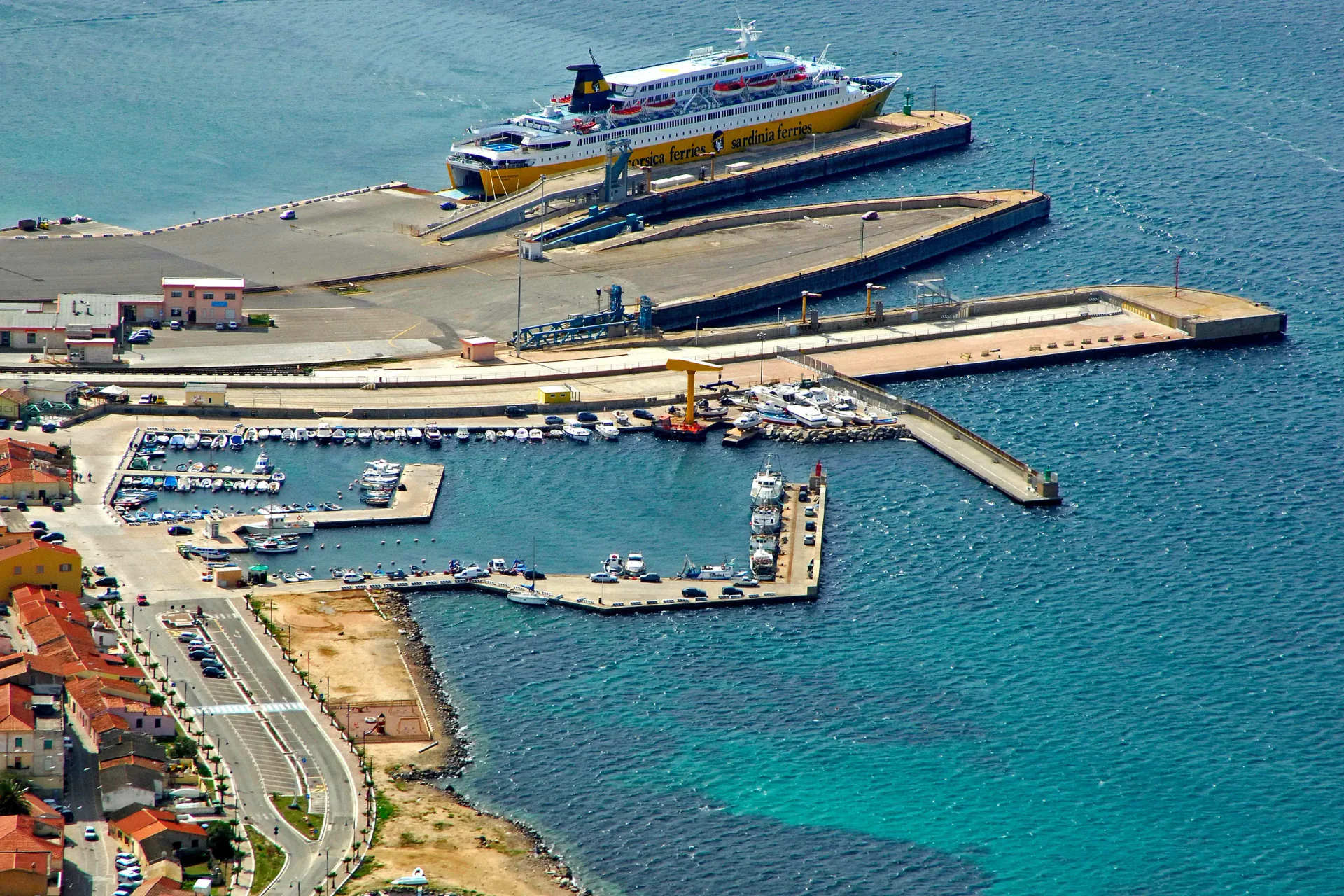
Corsica Ferries
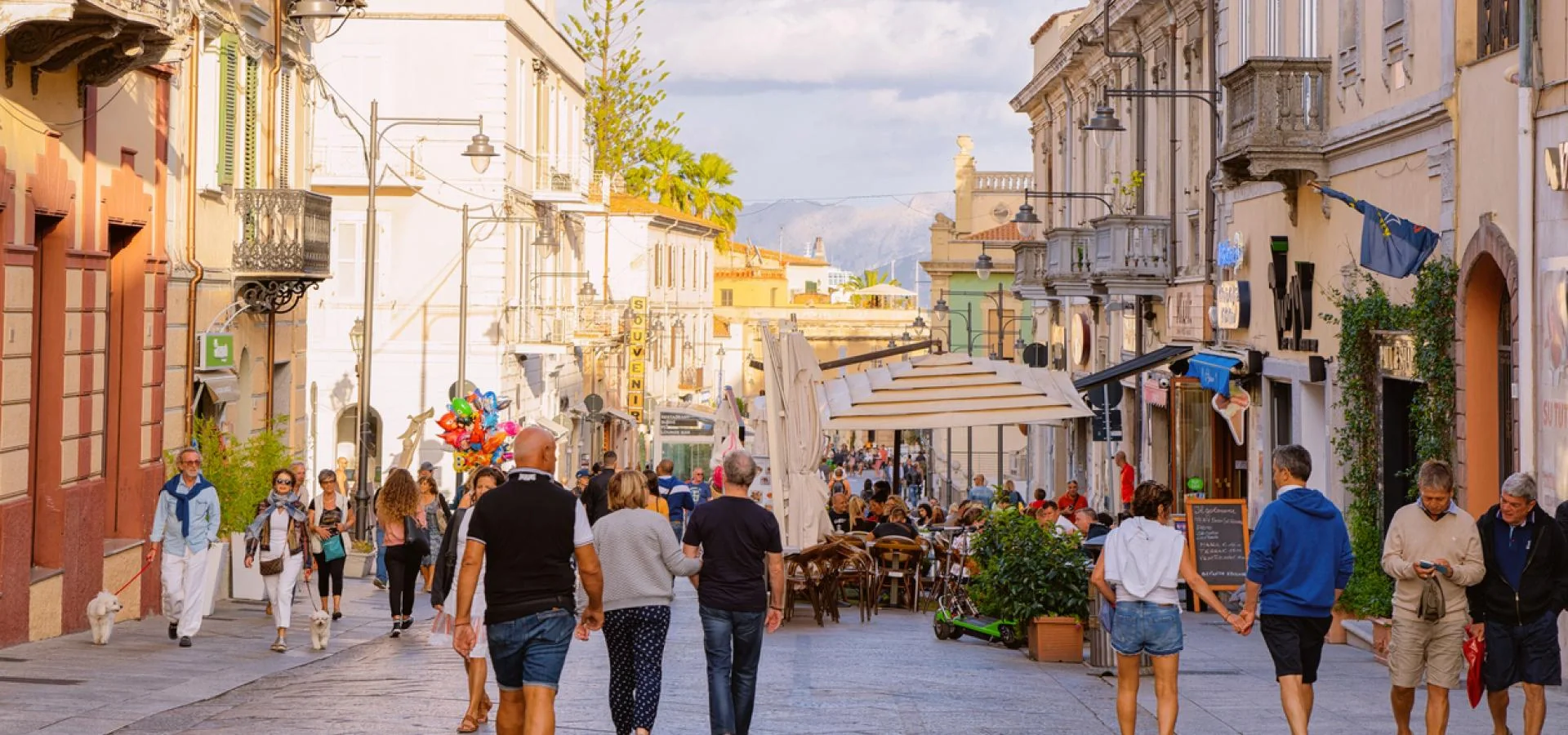
Grimaldi Lines, Moby Lines
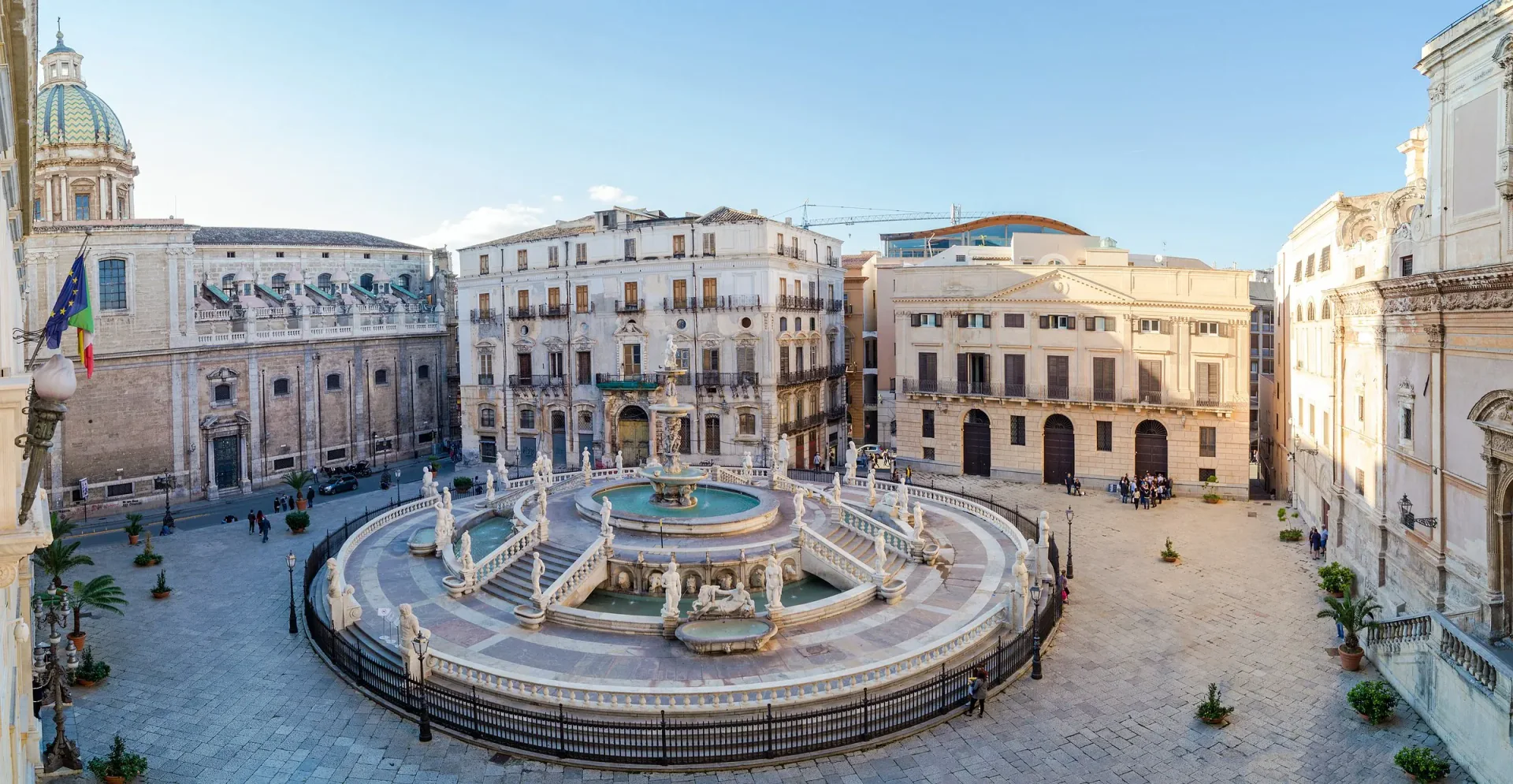
Grimaldi Lines
Livorno is a major Tuscan passenger and freight port with direct motorway connections. Corsica Ferries uses the Nuova Stazione Marittima area for Bastia and Sardinia services; allow time to navigate the large port complex.
Pin the precise ferry terminal before travelling to Livorno. Some towns have separate passenger quays, vehicle terminals and excursion-boat landings. The operator’s address on your confirmation is more useful than a town-centre map pin.
For a car journey, leave a margin for the final approach, queueing and check-in. Without a car, confirm the last part of the journey from the railway station or bus stop. A short map distance may involve port roads or areas closed to pedestrians; use a confirmed transfer or walking route.
Keep your booking reference and required documents accessible. If you need step-free boarding, help with luggage or space for a bicycle, arrange it before the day of travel. Small piers and large vehicle terminals can offer very different facilities.
Plan each sea leg as a separate part of the trip. Check the arrival port, transfer distance, vehicle restrictions and the time before the next sailing. A ticket sold by one company or booking provider does not automatically create a protected connection with another.
Check your arrival time against accommodation check-in and the next transport service. If this is an island stay, organise the return ferry before fixing a mainland flight or a long-distance train. The outward and return ports do not have to be the same, but separate tickets can have different conditions.
European ferries for UK travellers · Detailed planning advice
Check live sailing options, passenger fares, vehicle prices and onboard accommodation for your travel dates.