


Porto Antico
Explore Genoa’s regenerated old port, waterfront promenades, museums and major visitor attractions.
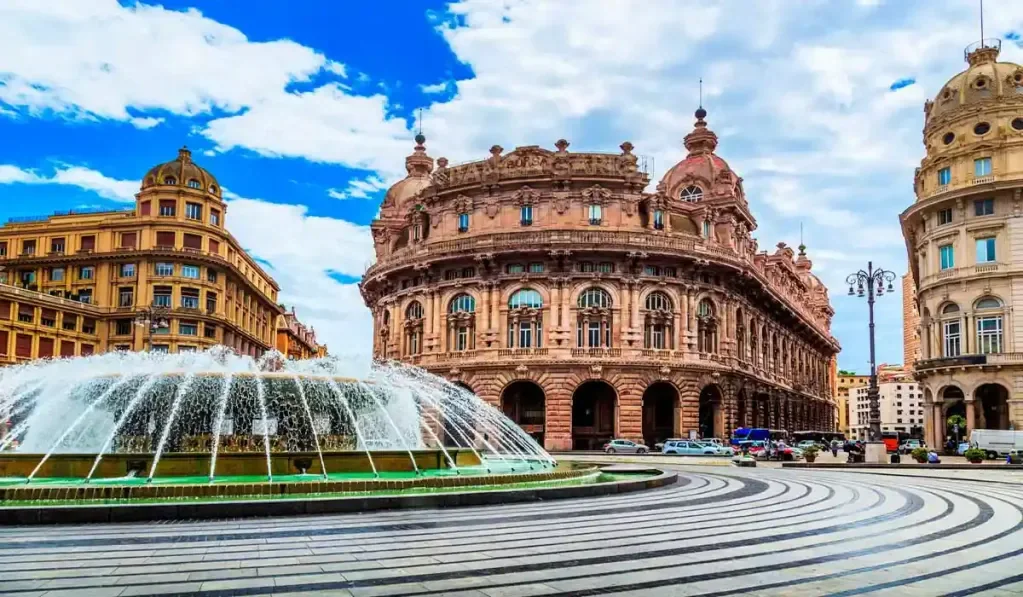
Plan ferries to and from Genoa in Italy, with route choices, harbour guidance and ideas for the rest of your journey.
Choose your route, travel dates, passengers and vehicle to compare current sailings and fares. Search all ferry routes.
Check your ports, passengers, vehicle and dates before completing the reservation.
A labyrinthine historic centre, grand maritime heritage and one of the Mediterranean’s busiest passenger-ferry ports
Genoa’s wealth and identity were built around the sea. The historic centre drops towards the Porto Antico through a dense web of narrow caruggi, churches, small squares and former merchants’ palaces.
Via Garibaldi and the Palazzi dei Rolli showcase the city’s Renaissance and Baroque grandeur, while the cathedral of San Lorenzo and Palazzo Ducale sit within easy walking distance of the old port.
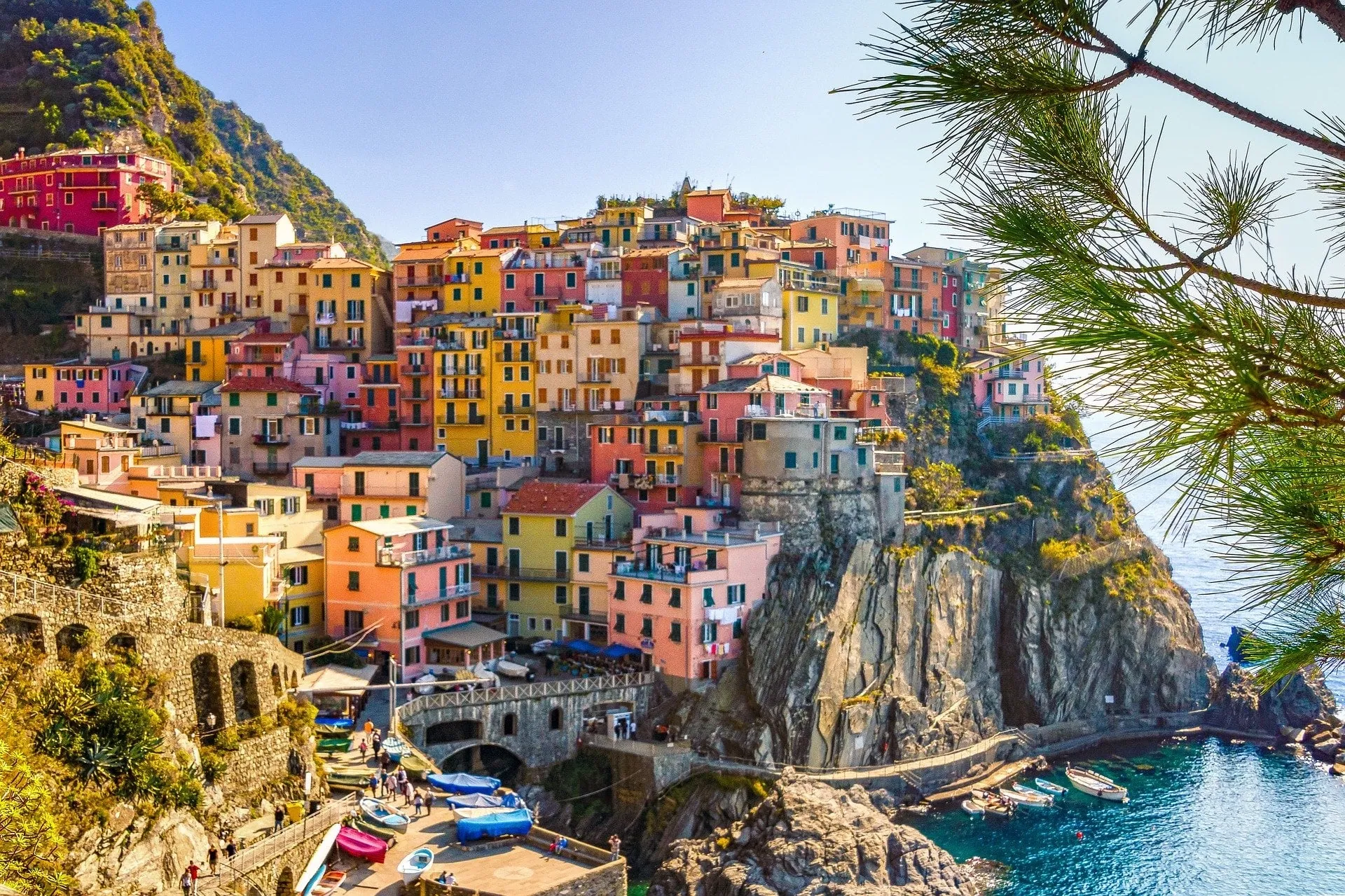
The regenerated Porto Antico contains the aquarium and major visitor attractions, but Genoa’s seafront character extends east along Corso Italia to the colourful former fishing village of Boccadasse.
For a panoramic view, climb or ride towards Spianata Castelletto and look back over slate roofs, harbour cranes and the Ligurian Sea.
Genoa is also one of Italy’s principal passenger-ferry hubs, with routes to Sardinia, Sicily, Corsica, Tunisia and Morocco. Long-distance sailings make cabins and careful terminal planning particularly important.
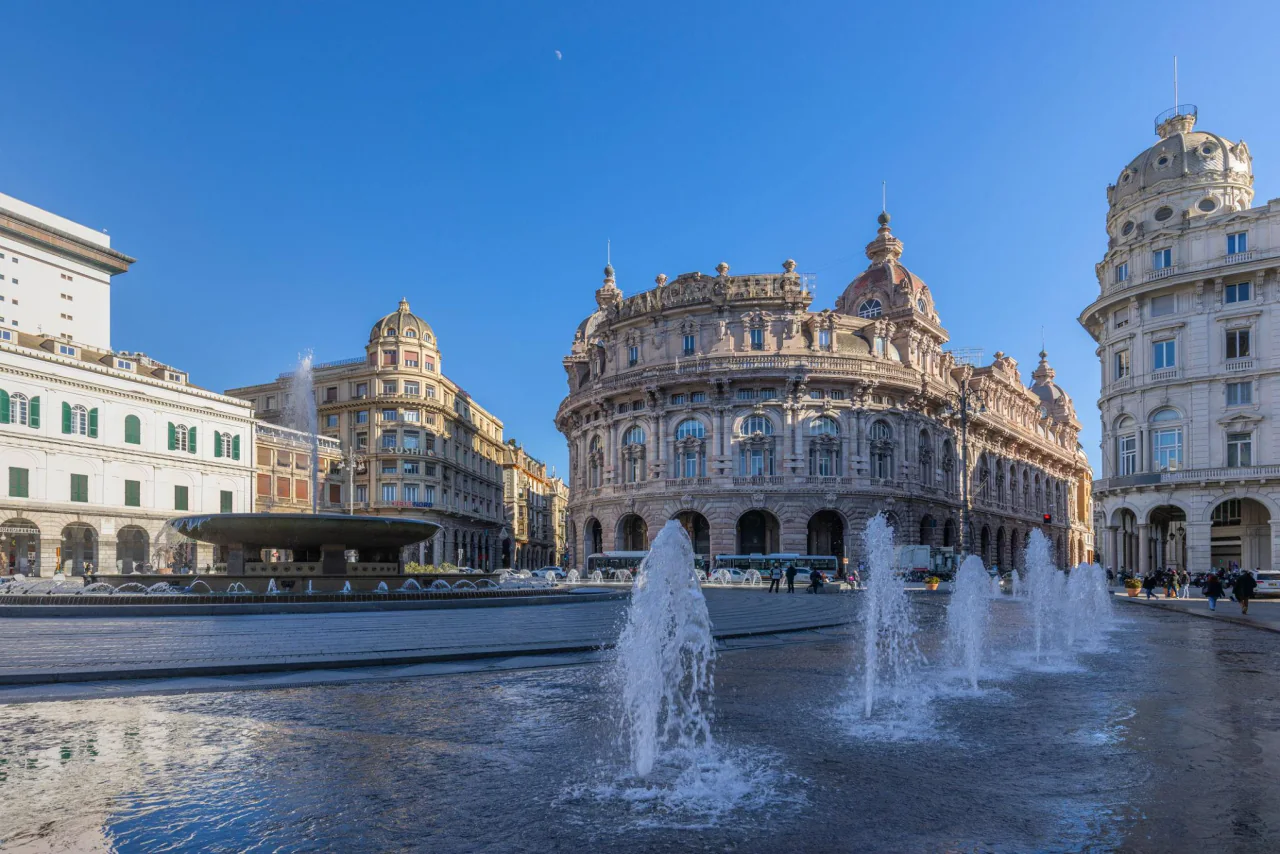
Genoa rewards slow exploration, moving between aristocratic palaces, maritime attractions, narrow old-town lanes and coastal neighbourhoods.
Explore Genoa’s regenerated old port, waterfront promenades, museums and major visitor attractions.
Walk the UNESCO-listed Strade Nuove past richly decorated palaces from Genoa’s mercantile golden age.
Allow several hours for one of Europe’s best-known aquariums in the Porto Antico.
Visit the striped medieval cathedral in the heart of the historic centre.
Walk or take local transport to the colourful former fishing village on the eastern seafront.
Head uphill for one of the classic panoramic views over Genoa’s roofs, harbour and sea.
Browse historic-centre walks, food tours, coastal experiences and day trips around Genoa and the Ligurian Riviera.
Tours and activities displayed in this section are supplied through Viator. Availability, descriptions and prices are provided by the activity supplier and can change.
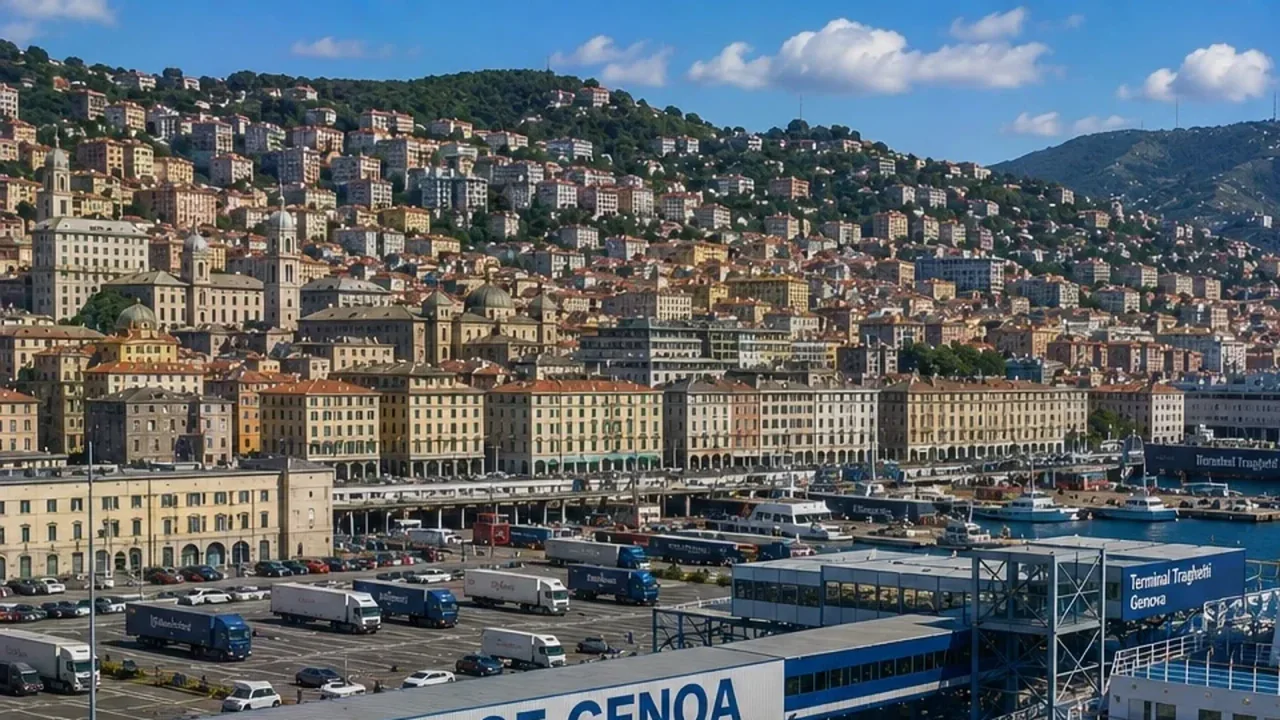
Cars and foot passengers are carried on the main long-distance services. Many sailings are overnight or longer, so cabins, pet arrangements and check-in times should be compared carefully before booking.
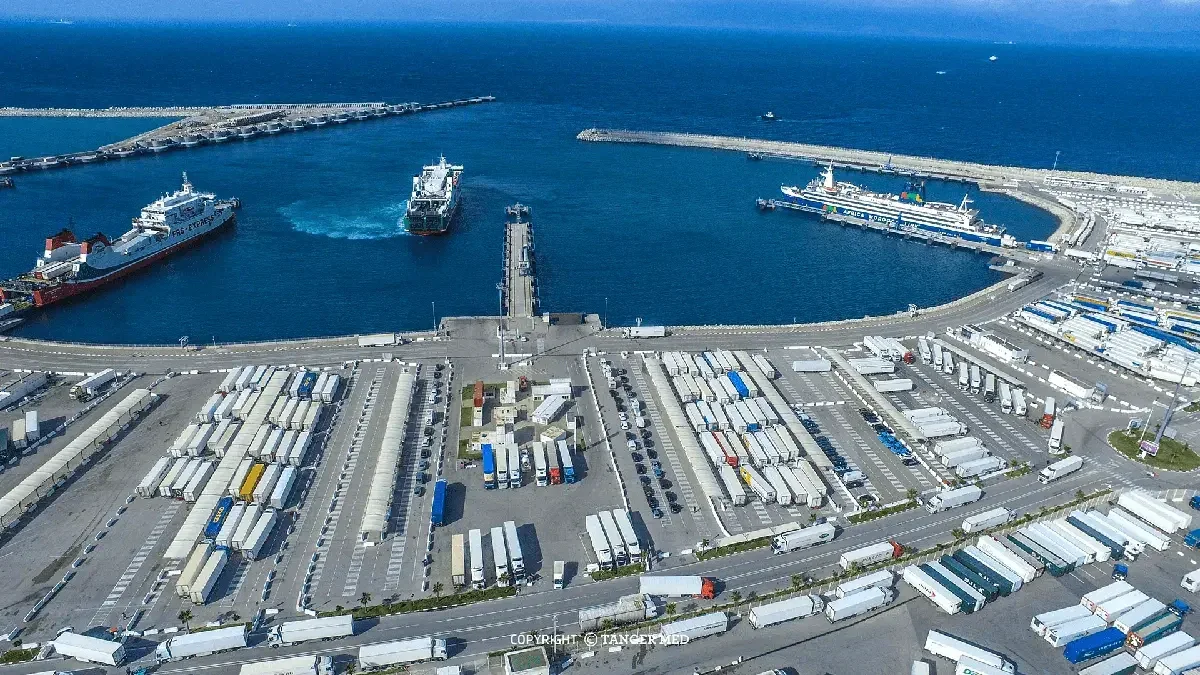
The passenger port is extensive and different operators use different check-in areas. Follow the terminal and gate details shown on your booking confirmation rather than assuming every ferry departs from the same berth.
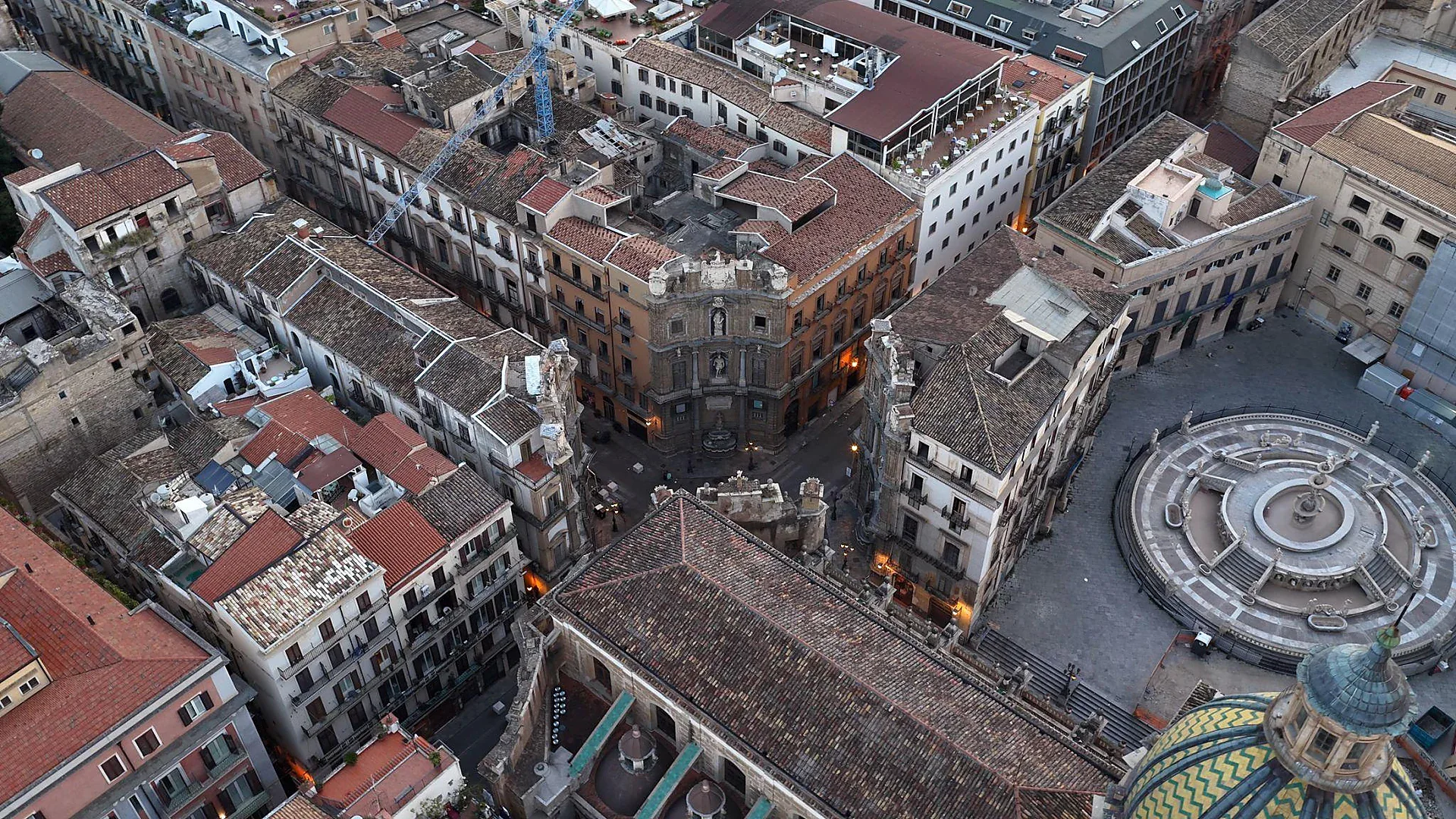
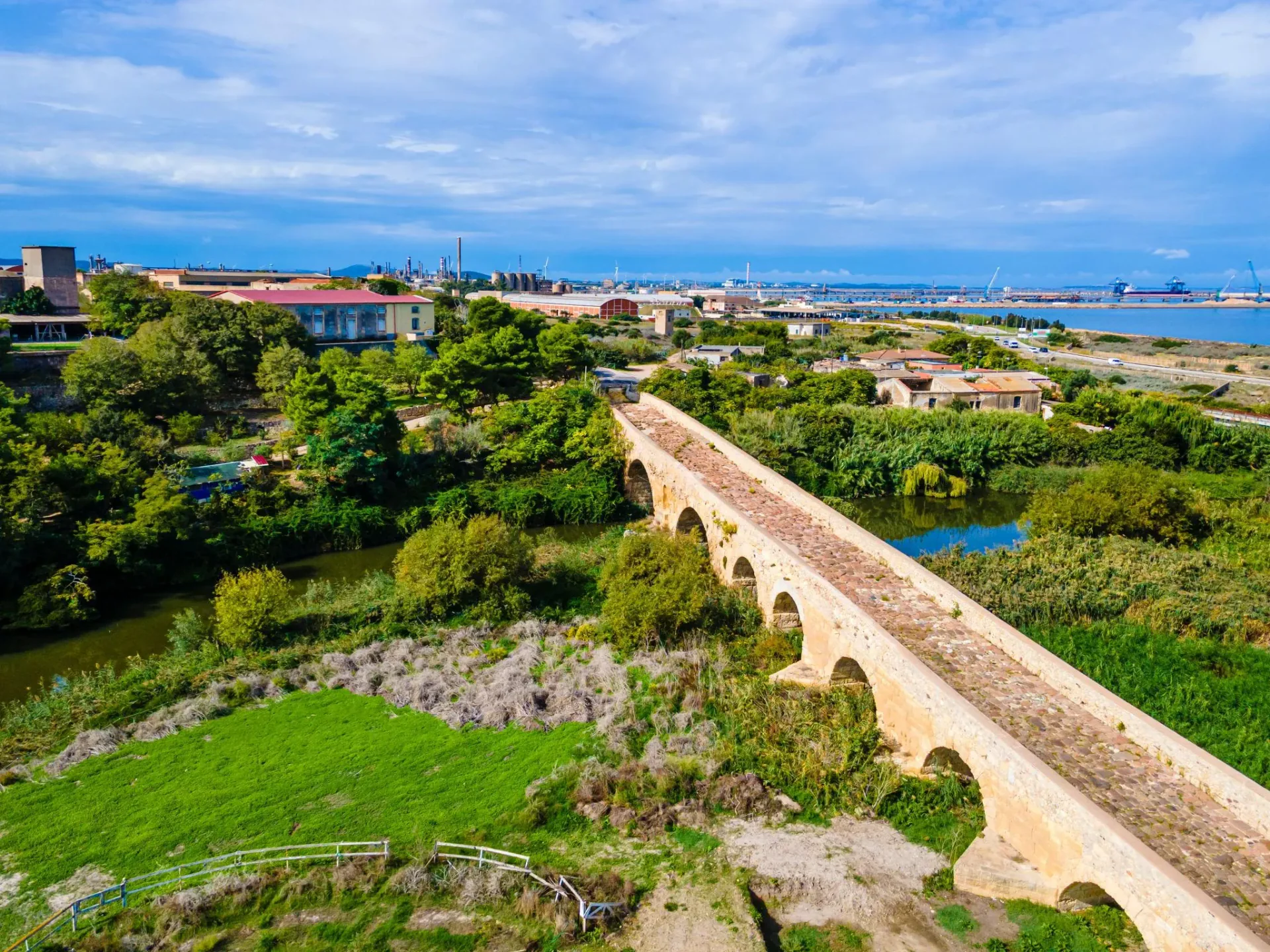
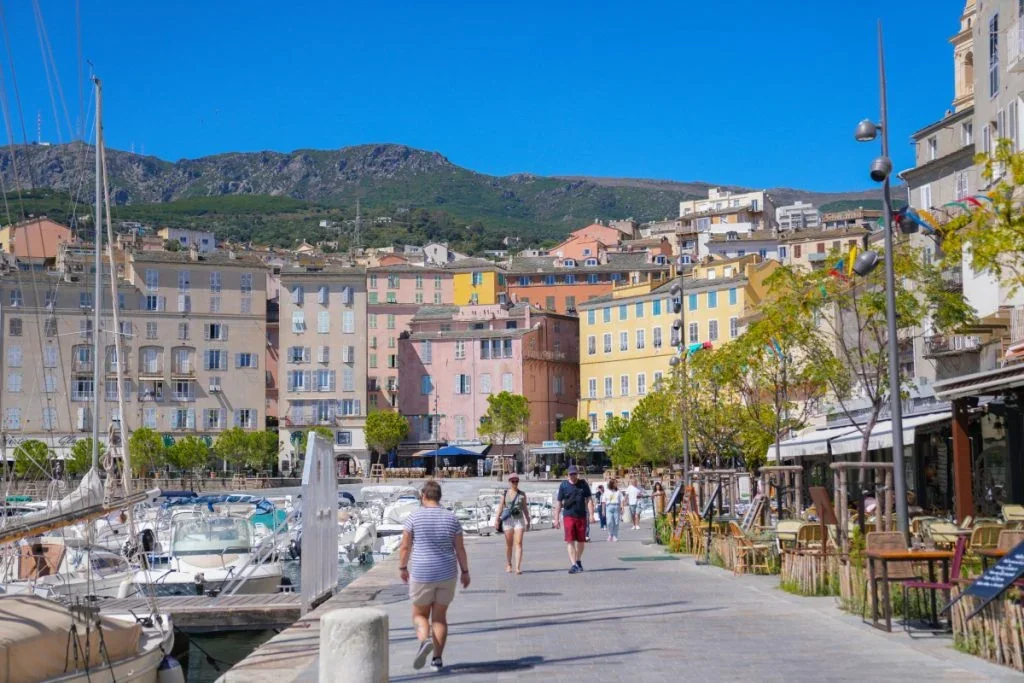
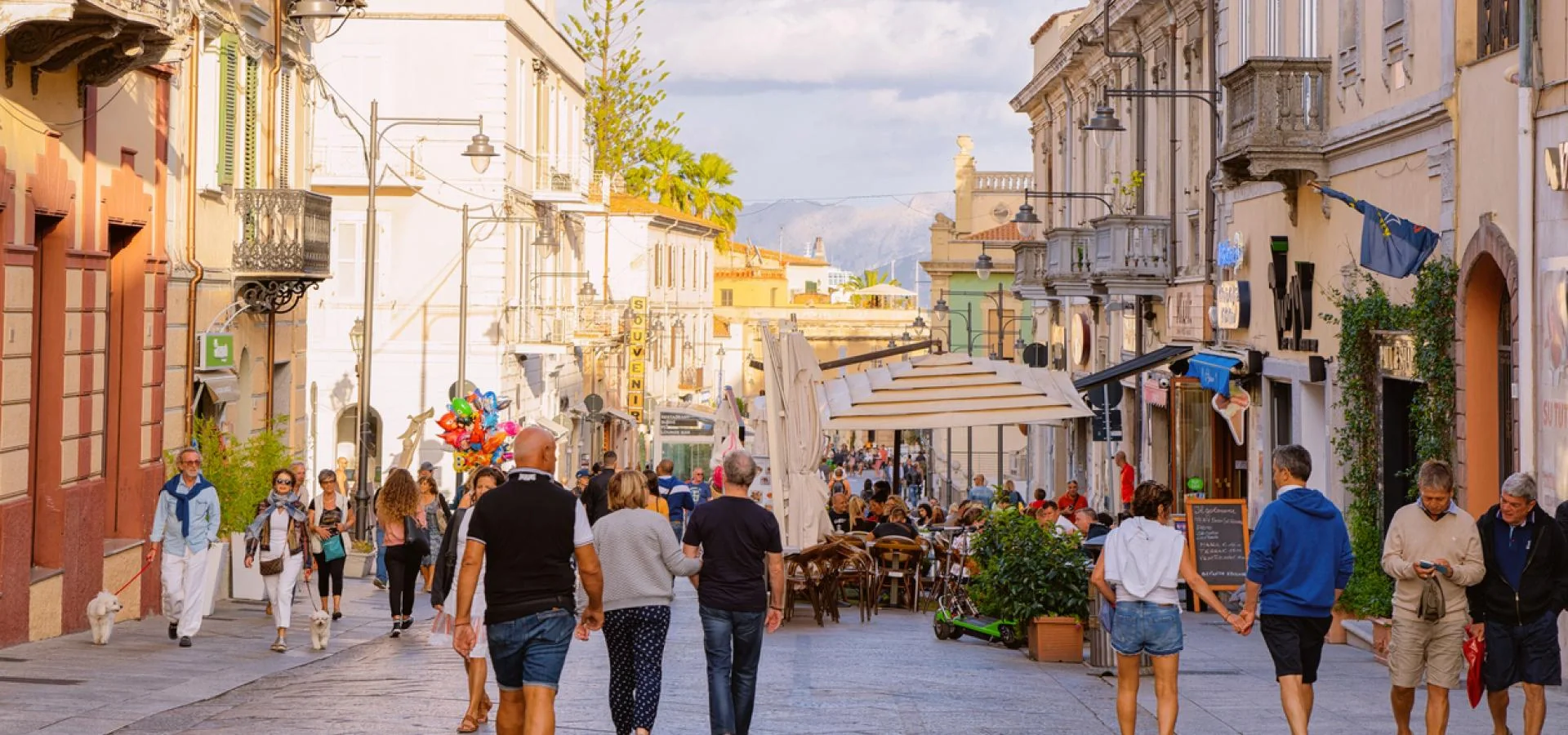
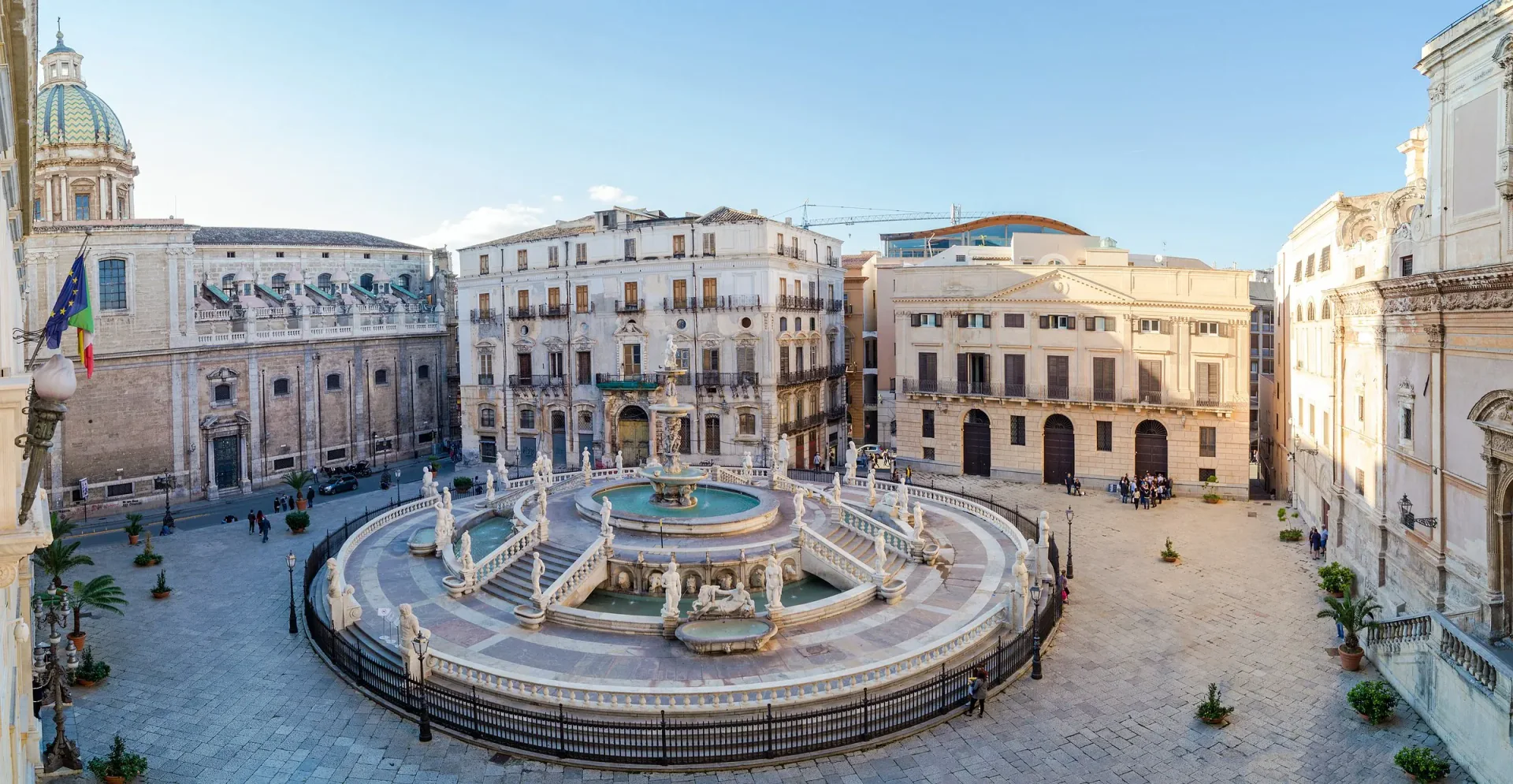
Genoa has one of the Mediterranean’s largest passenger-ferry networks. Current routes include Sardinian services to Olbia and Porto Torres, Sicily services to Palermo, seasonal Corsica sailings to Bastia and long-distance links to Tunis and Tangier Med.
Genoa’s historic core is best explored on foot, while rail and local transport connect coastal districts and the wider Ligurian Riviera.
Porto Antico, Via Garibaldi, the cathedral and many old-town streets are close enough to combine on foot.
Genova Piazza Principe and Brignole connect the city with the Italian rail network and Ligurian coastal towns.
Find Genoa rail tickets here...The port is large and motorway approaches can be busy, so confirm the correct terminal before setting out.
Porto Antico is convenient for first-time sightseeing; the historic centre is atmospheric, while Brignole gives useful rail access towards the eastern Riviera.
Passenger ferries use the large port complex close to central Genoa; your booking confirmation identifies the correct operator terminal and check-in area.
Current passenger routes include Sardinia, Sicily, Corsica, Tunisia and Morocco, with exact seasonal availability varying by route.
Yes. Foot passengers are carried on the principal passenger-ferry routes.
Yes. Vehicle travel is a major part of the Genoa ferry network; enter accurate dimensions when booking.
Porto Antico, Via Garibaldi, the Rolli Palaces, San Lorenzo Cathedral, Boccadasse and the city viewpoints are key highlights.
Yes. Cabins are available on many overnight and long-distance sailings and are particularly useful for Sardinia, Sicily and North Africa.
Yes. Piazza Principe and Brignole are major rail stations with national and regional services.
Two or three days gives time for the historic centre and waterfront; add extra days for the Ligurian coast or a ferry departure.
The route catalogue includes departures towards Bastia, Olbia, Palermo, Porto Torres, Tangier Med, Tunis. Each direction has its own guide so that you can check the correct starting pier and arrival arrangements. A listed connection may be seasonal, a multi-stop itinerary or a former service; read its service status before making plans.

No matches. Try a different place name or clear the filters.
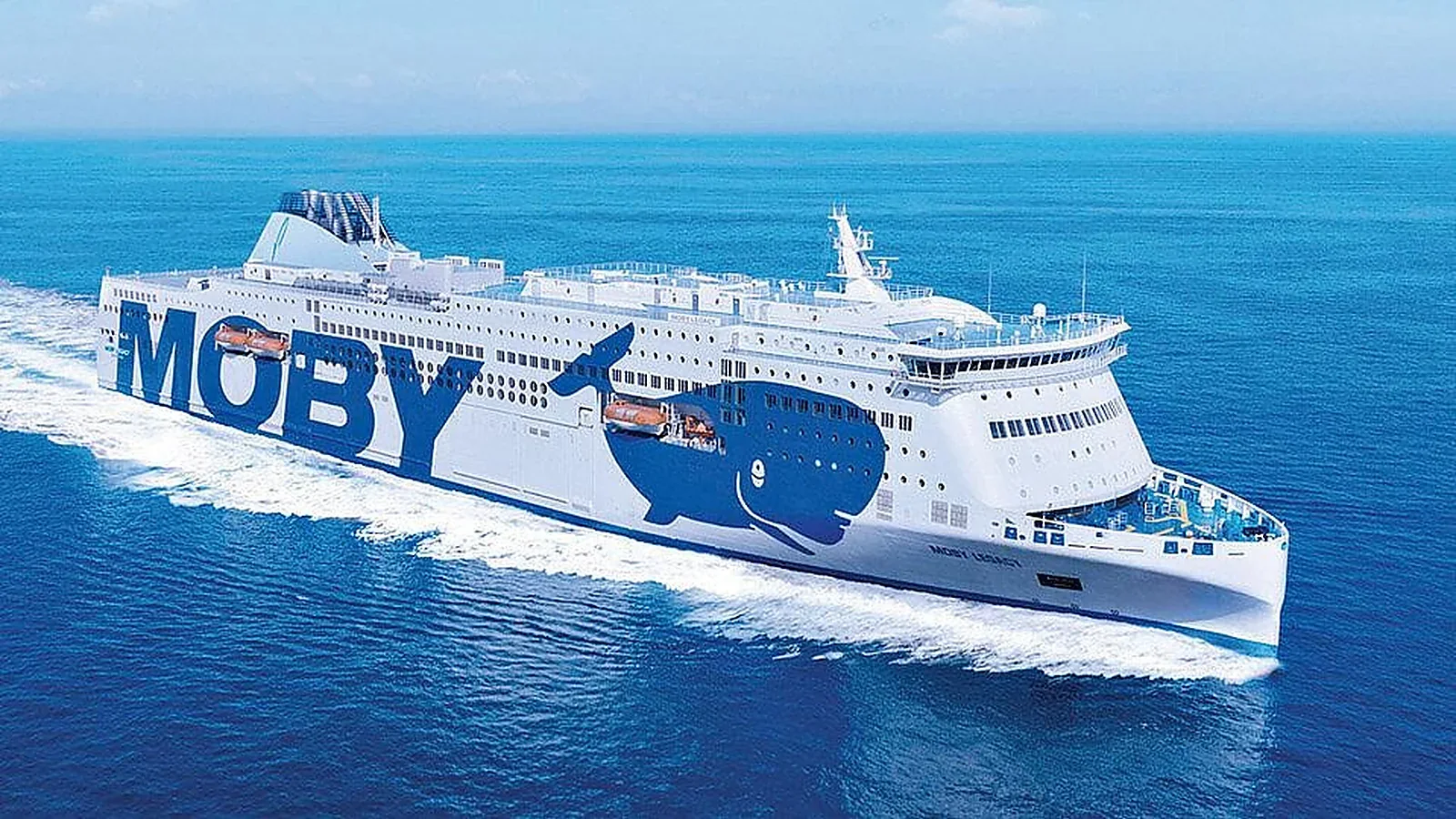
Moby Lines
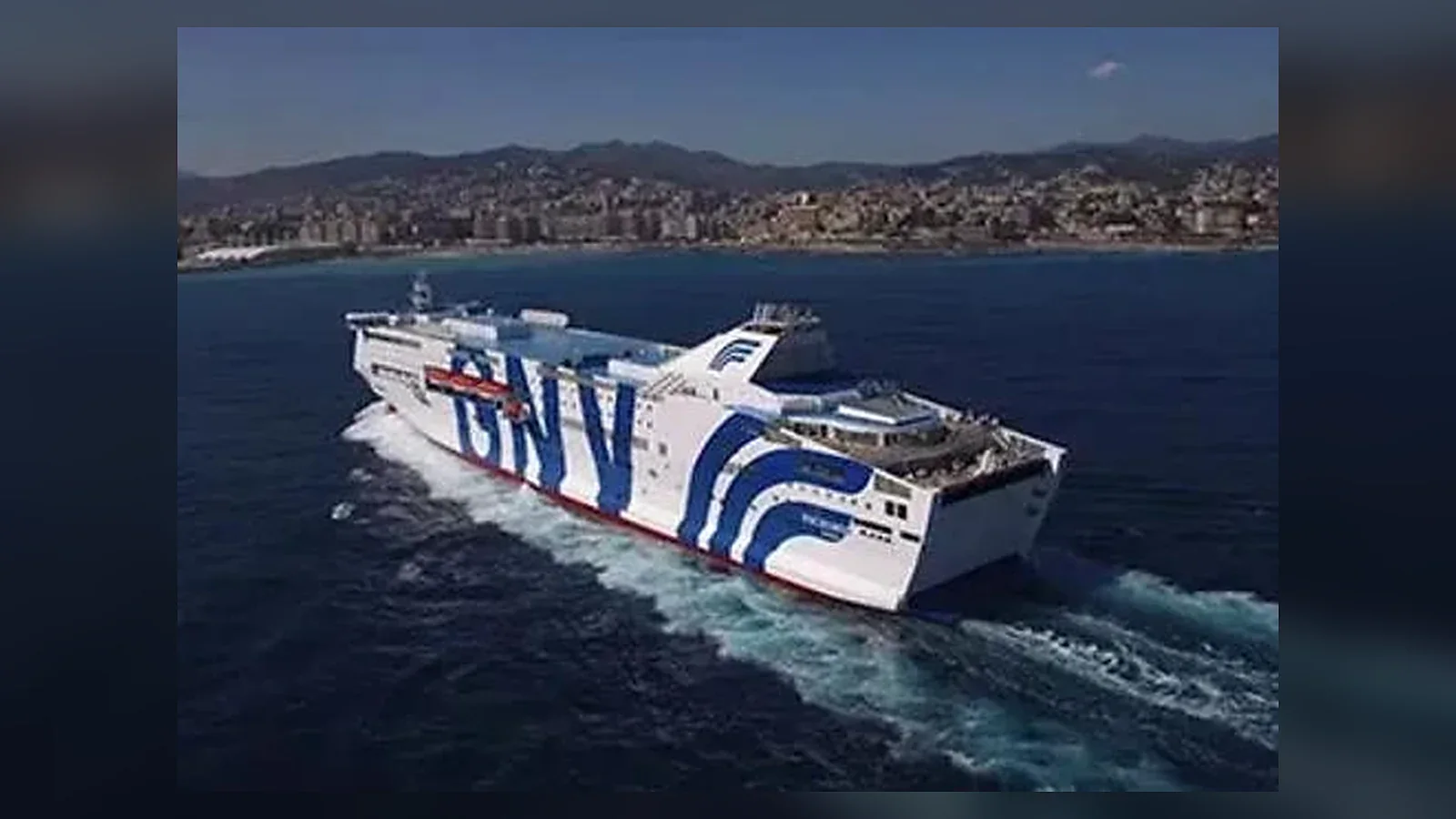
Moby Lines, Grandi Navi Veloci (GNV)
Grandi Navi Veloci (GNV)
Tirrenia, Grandi Navi Veloci (GNV)
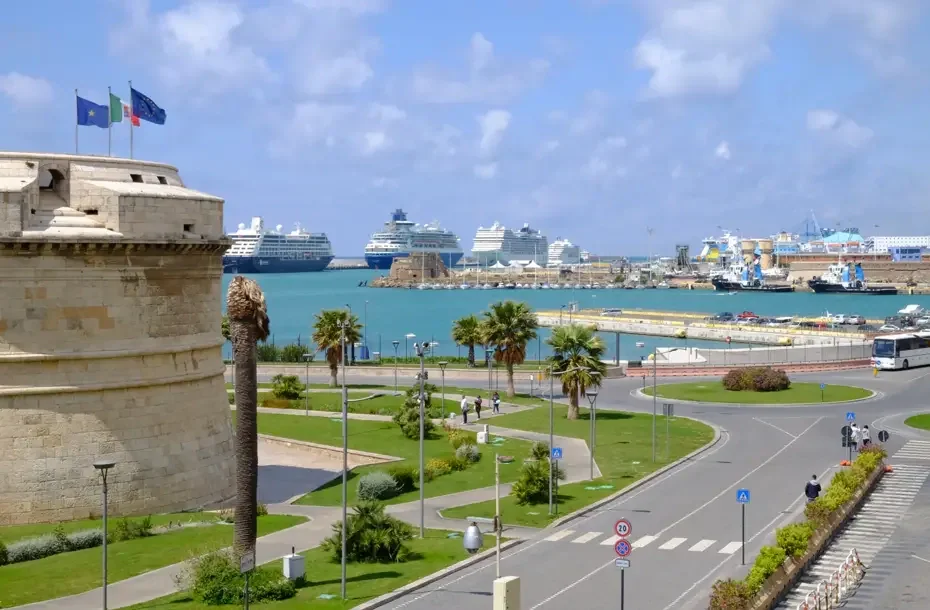
Genoa is a major Ligurian ferry hub with motorway access from northern Italy. Allow time for city and port traffic and follow the Moby terminal instructions on your booking.
Pin the precise ferry terminal before travelling to Genoa. Some towns have separate passenger quays, vehicle terminals and excursion-boat landings. The operator’s address on your confirmation is more useful than a town-centre map pin.
For a car journey, leave a margin for the final approach, queueing and check-in. Without a car, confirm the last part of the journey from the railway station or bus stop. A short map distance may involve port roads or areas closed to pedestrians; use a confirmed transfer or walking route.
Keep your booking reference and required documents accessible. If you need step-free boarding, help with luggage or space for a bicycle, arrange it before the day of travel. Small piers and large vehicle terminals can offer very different facilities.
Plan each sea leg as a separate part of the trip. Check the arrival port, transfer distance, vehicle restrictions and the time before the next sailing. A ticket sold by one company or booking provider does not automatically create a protected connection with another.
Check your arrival time against accommodation check-in and the next transport service. If this is an island stay, organise the return ferry before fixing a mainland flight or a long-distance train. The outward and return ports do not have to be the same, but separate tickets can have different conditions.
European ferries for UK travellers · Detailed planning advice
Check live sailing options, passenger fares, vehicle prices and onboard accommodation for your travel dates.


