


Malo-les-Bains
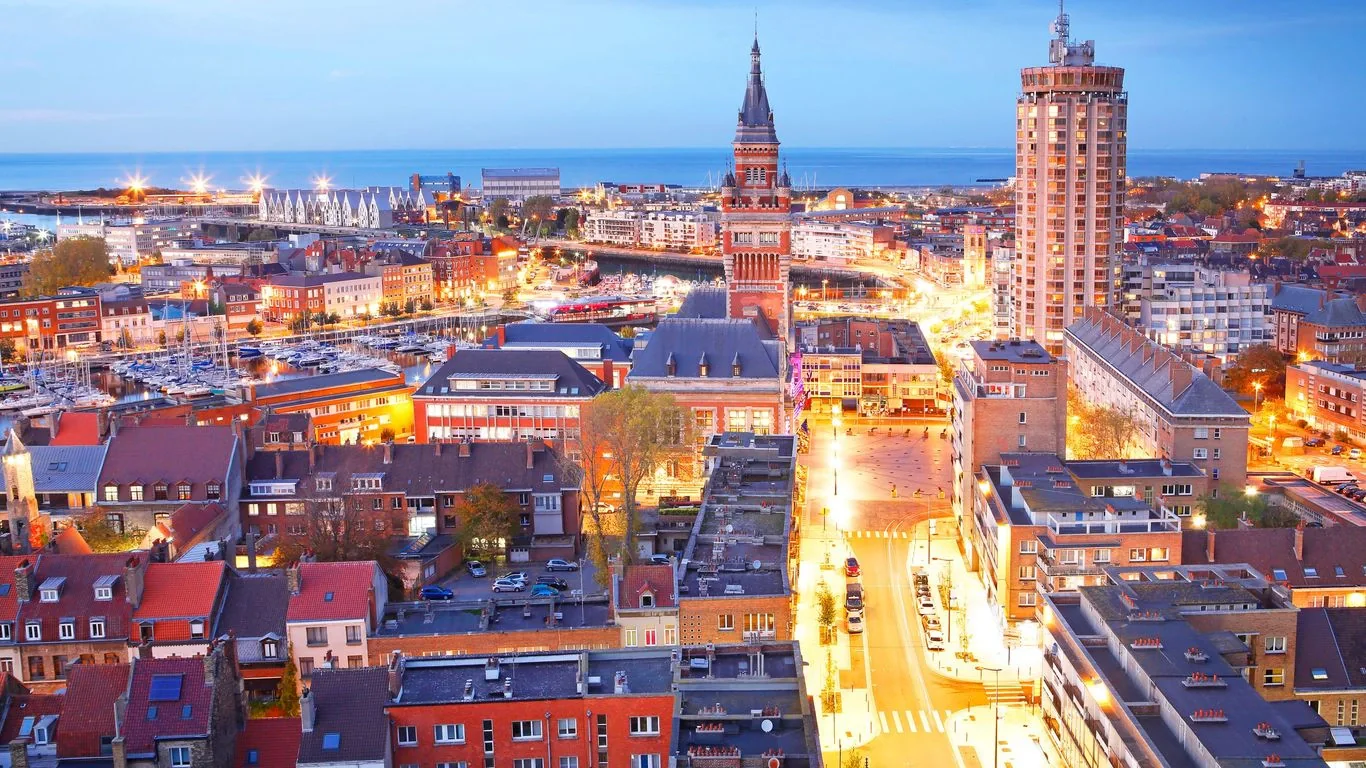
Walk the huge sandy beach and promenade in Dunkirk’s most attractive seaside district.
Plan ferries to and from Dunkirk in France, with route choices, harbour guidance and ideas for the rest of your journey.
Choose your route, travel dates, passengers and vehicle to compare current sailings and fares. Search all ferry routes.
Check your ports, passengers, vehicle and dates before completing the reservation.
A resilient northern French port city where broad beaches, maritime heritage and Channel ferry links meet
Dunkirk is known internationally for the events of 1940, but the modern city offers more than wartime history. Its enormous beach at Malo-les-Bains, waterfront districts and museums make it a worthwhile stop before or after a Channel crossing.
The Dunkirk 1940 Museum provides context for Operation Dynamo and the evacuation, while nearby memorials and coastal sites connect the history to the surrounding landscape.
Malo-les-Bains gives the destination a completely different atmosphere. The wide sand, promenade and colourful seaside architecture are ideal for a walk after a long drive or ferry journey.
Dunkirk also has an active port and maritime identity. The harbour, Musée Portuaire and restored vessels explain the working city beyond its military story.
Passenger ferry traffic uses the DFDS terminal at Loon-Plage, outside the city centre. Direct vehicle ferries run to Dover, and DFDS also operates the longer Rosslare–Dunkirk route between France and Ireland.
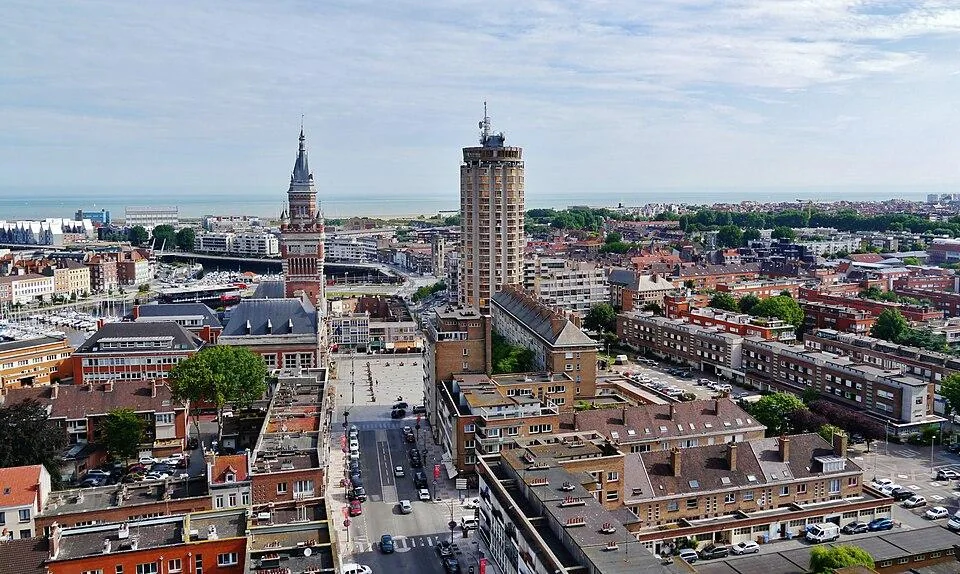
Dunkirk’s wide beach and maritime museums provide a strong contrast to the industrial scale of the modern port.
Walk the huge sandy beach and promenade in Dunkirk’s most attractive seaside district.
Understand Operation Dynamo through exhibits close to the historic evacuation beaches.
Explore the city’s seafaring and port history in a former tobacco warehouse.
Climb or visit around the historic centre for views over the city and coast.
Follow memorials and coastal locations connected with the 1940 evacuation.
Use Dunkirk as a base for Gravelines, the dunes and nearby Belgian destinations by road.
Browse wartime tours, private excursions and experiences around Dunkirk, Flanders and the Channel coast.
Tours and activities displayed in this section are supplied through Viator. Availability, descriptions and prices are provided by the activity supplier and can change.
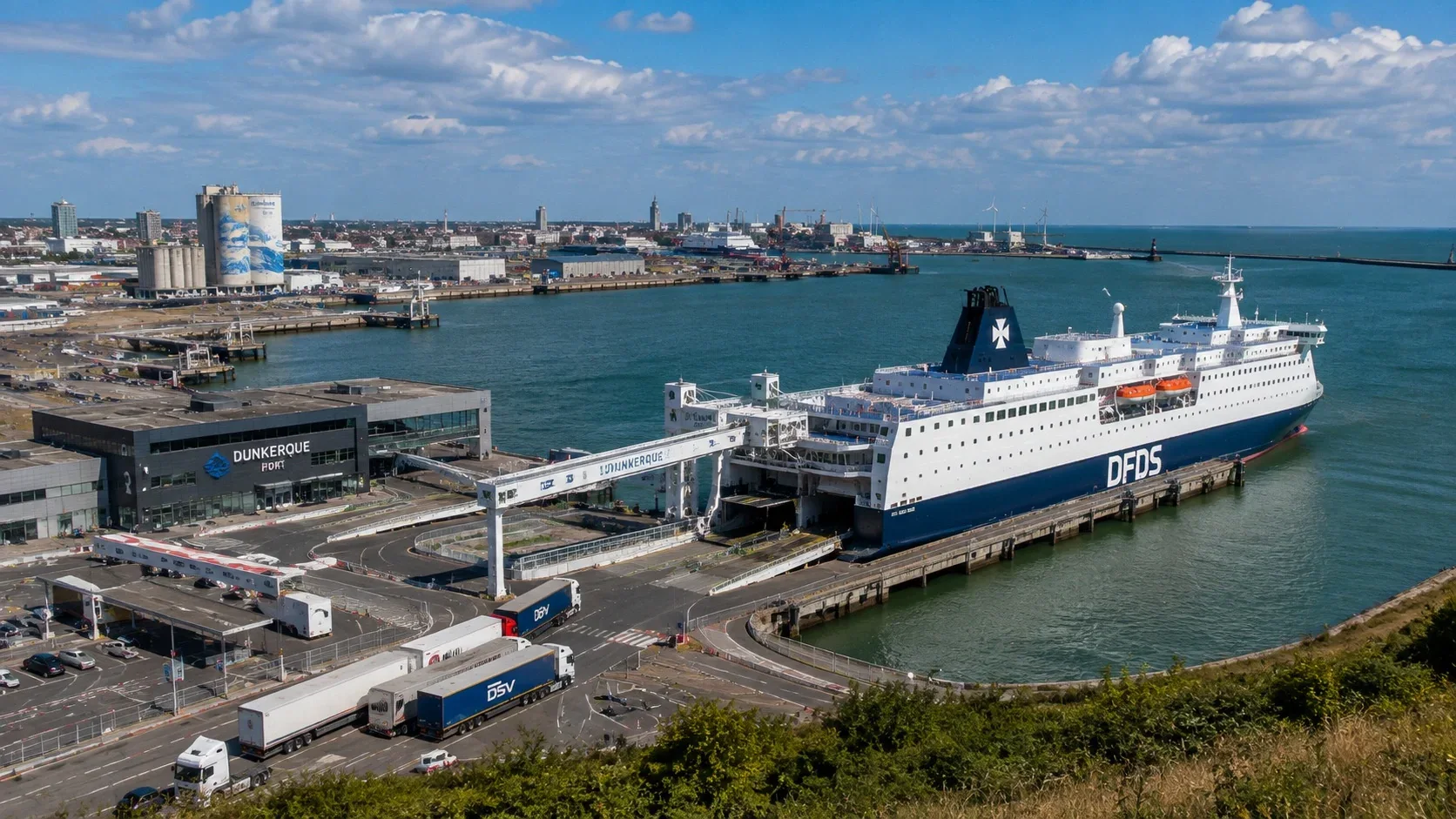
Because Loon-Plage is outside central Dunkirk, road access is the practical choice. Follow the DFDS signs and allow time for check-in, border processing and peak-period traffic.
DFDS also operates Rosslare–Dunkirk, a much longer direct Ireland–France route aimed primarily at travellers with vehicles. Foot passengers are not accepted on these vehicle-focused routes under the current product.
DFDS operates the passenger ferry terminal at Loon-Plage, west of Dunkirk city centre. The main short-sea route is Dunkirk–Dover, a vehicle-only passenger service with a typical crossing time of about two hours.
The centre and Malo-les-Bains are straightforward to explore locally, while rail and road links connect Dunkirk with Lille, Calais, Belgium and beyond.
The beach and promenade are ideal for a long walk and easy to combine with central sights.
Regional rail services connect Dunkirk with Lille and other northern French destinations.
Find Dunkirk rail tickets here...A car is the simplest way to move between Loon-Plage, the city and onward routes into France or Belgium.
Malo-les-Bains is best for the beach, while central Dunkirk suits museums, restaurants and rail connections before an onward drive to the ferry terminal.
The DFDS passenger ferry terminal is at Loon-Plage, west of Dunkirk city centre.
DFDS operates the direct Dunkirk–Dover passenger vehicle-ferry route.
No. The current DFDS Dover–Dunkirk product requires passengers to travel with a vehicle.
Yes. DFDS operates the long Rosslare–Dunkirk route for vehicle-based passenger travel.
Malo-les-Bains, the Dunkirk 1940 Museum, maritime museum, historic centre and Operation Dynamo sites are key attractions.
Yes. The main passenger routes are designed around cars and other correctly booked vehicles.
Yes. Dunkerque station has regional rail connections, although Loon-Plage ferry terminal is best reached by road.
One day covers the main highlights; an overnight stay allows more time for the beach and wartime sites.
The route catalogue includes departures towards Dover, Rosslare. Each direction has its own guide so that you can check the correct starting pier and arrival arrangements. A listed connection may be seasonal, a multi-stop itinerary or a former service; read its service status before making plans.
No matches. Try a different place name or clear the filters.
It is well placed for drivers continuing towards Belgium, the Netherlands and northern France.
Pin the precise ferry terminal before travelling to Dunkirk. Some towns have separate passenger quays, vehicle terminals and excursion-boat landings. The operator’s address on your confirmation is more useful than a town-centre map pin.
For a car journey, leave a margin for the final approach, queueing and check-in. Without a car, confirm the last part of the journey from the railway station or bus stop. A short map distance may involve port roads or areas closed to pedestrians; use a confirmed transfer or walking route.
Keep your booking reference and required documents accessible. If you need step-free boarding, help with luggage or space for a bicycle, arrange it before the day of travel. Small piers and large vehicle terminals can offer very different facilities.
Plan each sea leg as a separate part of the trip. Check the arrival port, transfer distance, vehicle restrictions and the time before the next sailing. A ticket sold by one company or booking provider does not automatically create a protected connection with another.
Check your arrival time against accommodation check-in and the next transport service. If this is an island stay, organise the return ferry before fixing a mainland flight or a long-distance train. The outward and return ports do not have to be the same, but separate tickets can have different conditions.
European ferries for UK travellers · Detailed planning advice
Check live sailing options, passenger fares, vehicle prices and onboard accommodation for your travel dates.


