


Château de Caen
Explore the vast hilltop fortress founded by William the Conqueror and the museums within its walls.
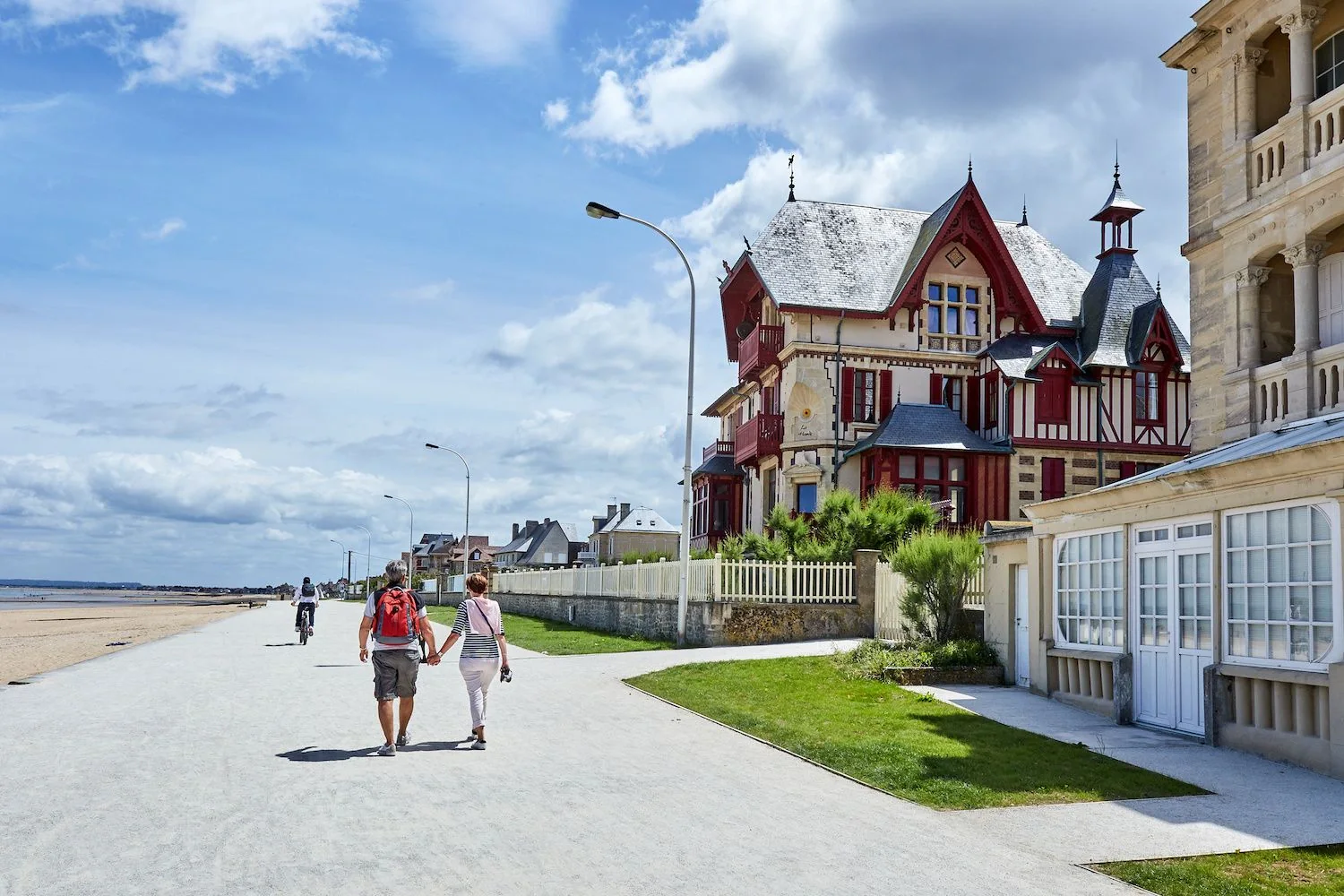
Plan ferries to and from Caen in France, with route choices, harbour guidance and ideas for the rest of your journey.
Choose your route, travel dates, passengers and vehicle to compare current sailings and fares. Search all ferry routes.
Check your ports, passengers, vehicle and dates before completing the reservation.
Norman history, major museums and a Channel ferry gateway at nearby Ouistreham
Caen is one of Normandy’s key historic cities, shaped by William the Conqueror and later by the Battle of Normandy. The enormous Château de Caen, abbeys and old streets give the centre a strong medieval identity despite extensive wartime destruction.
The Mémorial de Caen is the city’s best-known modern museum and places the Second World War, D-Day and the wider twentieth century into context. Abbaye aux Hommes and Abbaye aux Dames connect the city directly with Norman ducal history.
The passenger ferry terminal marketed as Caen is actually at Ouistreham on the coast north of the city. Brittany Ferries connects Ouistreham with Portsmouth, making this one of the principal western Channel routes for motorists and passengers travelling between southern England and Normandy.
The separation between city and ferry terminal is important when planning accommodation and transfers. Motorists have straightforward road access, while foot passengers should arrange the bus, taxi or operator-recommended connection between Caen and Ouistreham.
Caen is also a strong base for the Normandy coast. The D-Day landing beaches, Bayeux and seaside towns are within easy reach, especially with a car.
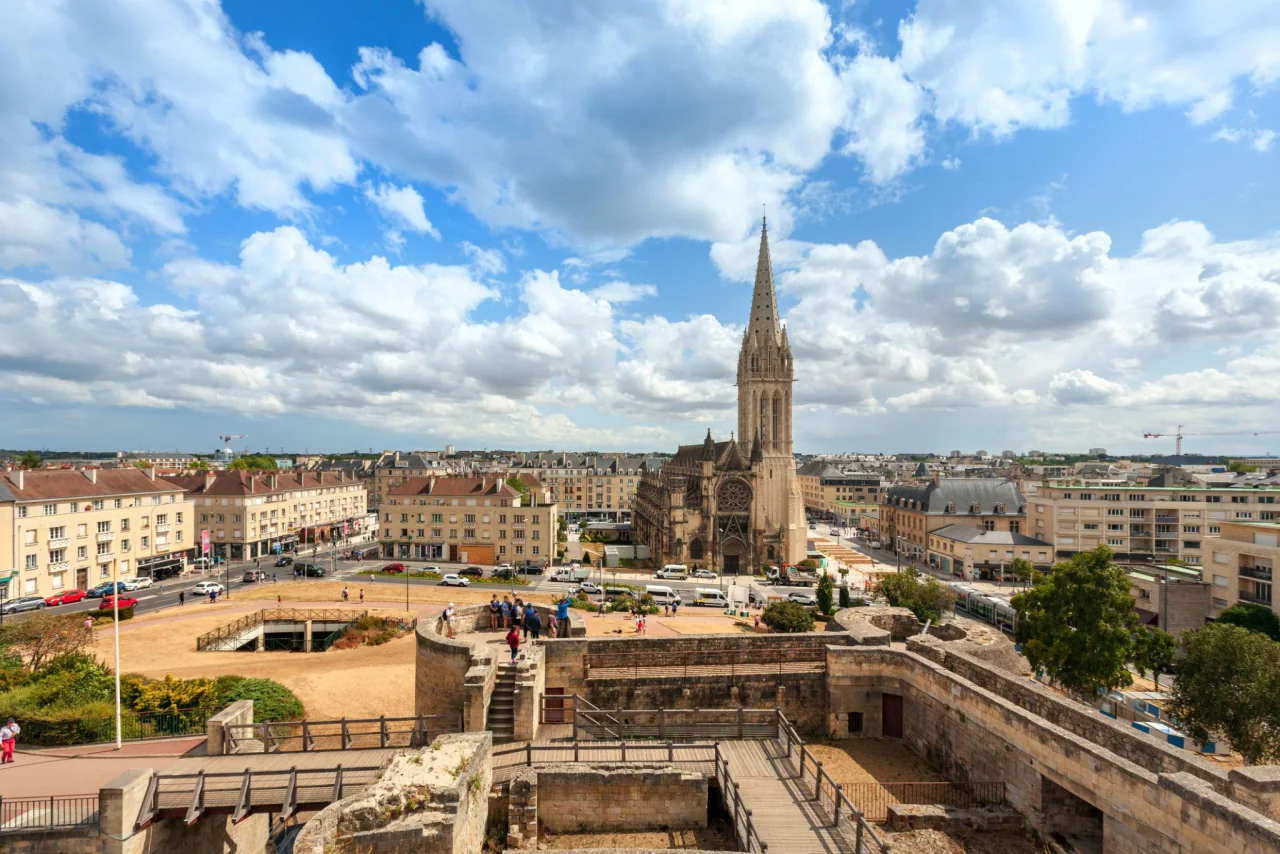
Caen combines medieval Norman landmarks with one of France’s major museums devoted to war, peace and twentieth-century history.
Explore the vast hilltop fortress founded by William the Conqueror and the museums within its walls.
Allow several hours for the major museum covering the Second World War, D-Day, Cold War and peace.
Visit the impressive Romanesque abbey and church associated with William the Conqueror.
See the companion abbey founded by Queen Matilda on the opposite side of the historic city.
Walk one of Caen’s most atmospheric old streets for restaurants and surviving pre-war architecture.
Use Caen as a base for Sword, Juno and other D-Day sites along the nearby coast.
Browse Normandy history tours, D-Day excursions and local experiences available from Caen and the coast.
Tours and activities displayed in this section are supplied through Viator. Availability, descriptions and prices are provided by the activity supplier and can change.
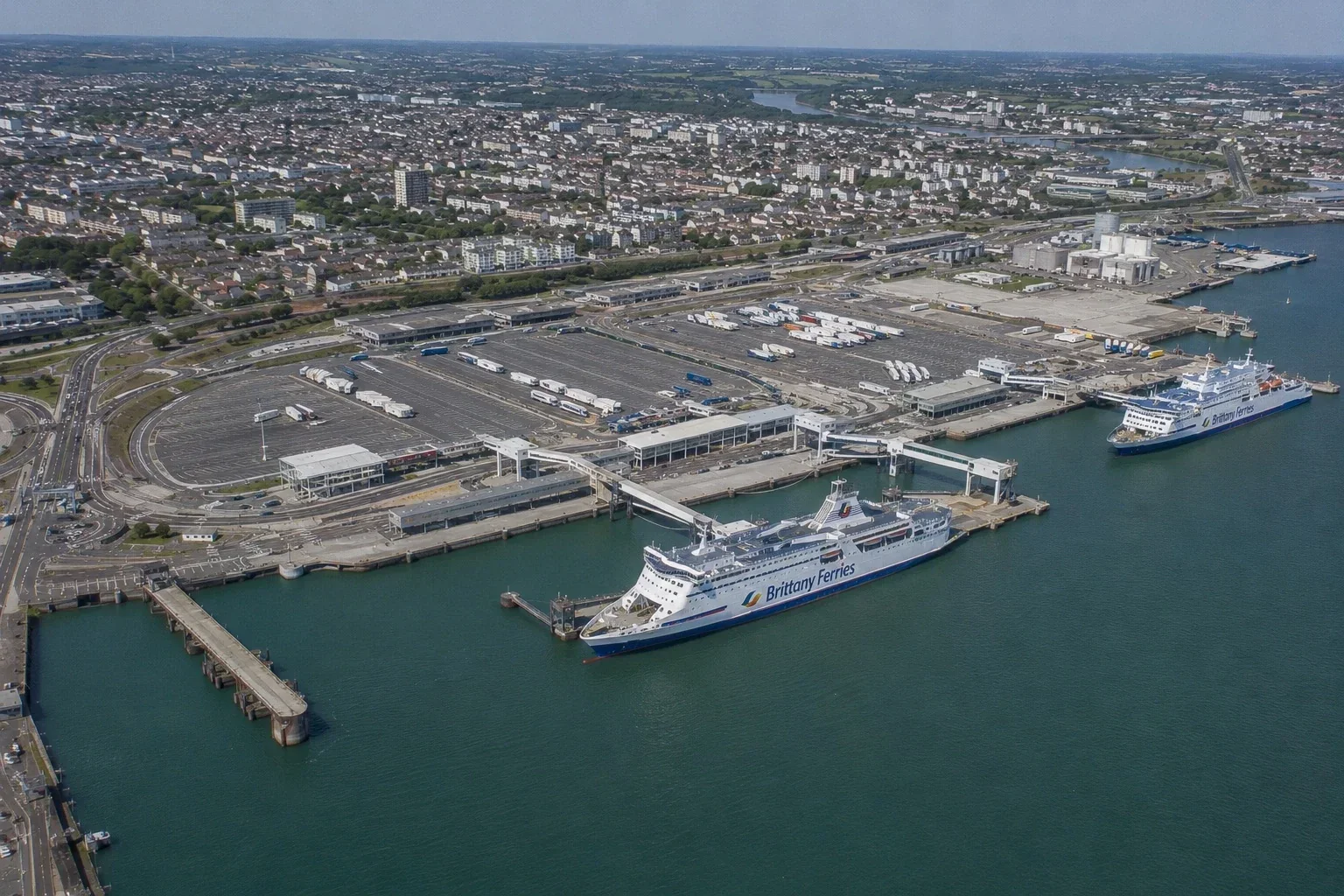
The Portsmouth–Caen passenger ferry does not dock in central Caen. Brittany Ferries uses the terminal at Ouistreham on the Normandy coast, with regular passenger and vehicle sailings connecting the area with Portsmouth.
The route is one of the core western Channel links and operates throughout much or all of the year according to the published programme. Exact sailing frequency and vessel assignment vary, so confirm live times for your travel date.
Allow transfer time between central Caen and Ouistreham. Vehicle passengers can follow the signed road route to the port, while foot passengers should plan local bus, taxi or other recommended connections in advance.
Caen is walkable around the historic centre, with trams, buses and rail connections for wider Normandy travel.
The castle, Vaugueux and central streets can be covered on foot, with the abbeys slightly farther apart.
Trains connect Caen with Paris and other Normandy destinations, making rail-and-ferry itineraries practical.
Find Caen rail tickets here...A car gives the greatest flexibility for landing beaches, Bayeux, coastal villages and rural Normandy.
Central Caen is best for restaurants and historic sights, while an early ferry may make Ouistreham or the northern edge of the city more convenient.
The passenger ferry terminal serving Caen is at Ouistreham on the Normandy coast, north of central Caen.
Brittany Ferries operates the passenger and vehicle route between Portsmouth and Ouistreham, marketed as Portsmouth–Caen.
No. Allow time for the road, bus or taxi transfer between central Caen and Ouistreham.
Popular highlights include Château de Caen, Mémorial de Caen, Abbaye aux Hommes, Abbaye aux Dames and nearby D-Day sites.
Yes. The route is a major vehicle-ferry corridor and carries cars and touring vehicles subject to booking.
Yes on relevant sailings. Plan the onward connection between the Ouistreham terminal and Caen before travel.
Yes. Mainline rail services connect Caen with Paris and other Normandy destinations.
Two days covers the major city sights, while three or more gives time for Bayeux and the Normandy landing beaches.
The route catalogue includes departures towards Portsmouth. Each direction has its own guide so that you can check the correct starting pier and arrival arrangements. A listed connection may be seasonal, a multi-stop itinerary or a former service; read its service status before making plans.
No matches. Try a different place name or clear the filters.
Brittany Ferries
Caen ferry port is at Ouistreham, around 15 km north of Caen. The terminal has quick access to the main road network, making it a strong ferry point for central Normandy, Brittany and routes towards Paris.
Pin the precise ferry terminal before travelling to Caen. Some towns have separate passenger quays, vehicle terminals and excursion-boat landings. The operator’s address on your confirmation is more useful than a town-centre map pin.
For a car journey, leave a margin for the final approach, queueing and check-in. Without a car, confirm the last part of the journey from the railway station or bus stop. A short map distance may involve port roads or areas closed to pedestrians; use a confirmed transfer or walking route.
Keep your booking reference and required documents accessible. If you need step-free boarding, help with luggage or space for a bicycle, arrange it before the day of travel. Small piers and large vehicle terminals can offer very different facilities.
Plan each sea leg as a separate part of the trip. Check the arrival port, transfer distance, vehicle restrictions and the time before the next sailing. A ticket sold by one company or booking provider does not automatically create a protected connection with another.
Check your arrival time against accommodation check-in and the next transport service. If this is an island stay, organise the return ferry before fixing a mainland flight or a long-distance train. The outward and return ports do not have to be the same, but separate tickets can have different conditions.
European ferries for UK travellers · Detailed planning advice
Check live sailing options, passenger fares, vehicle prices and onboard accommodation for your travel dates.


