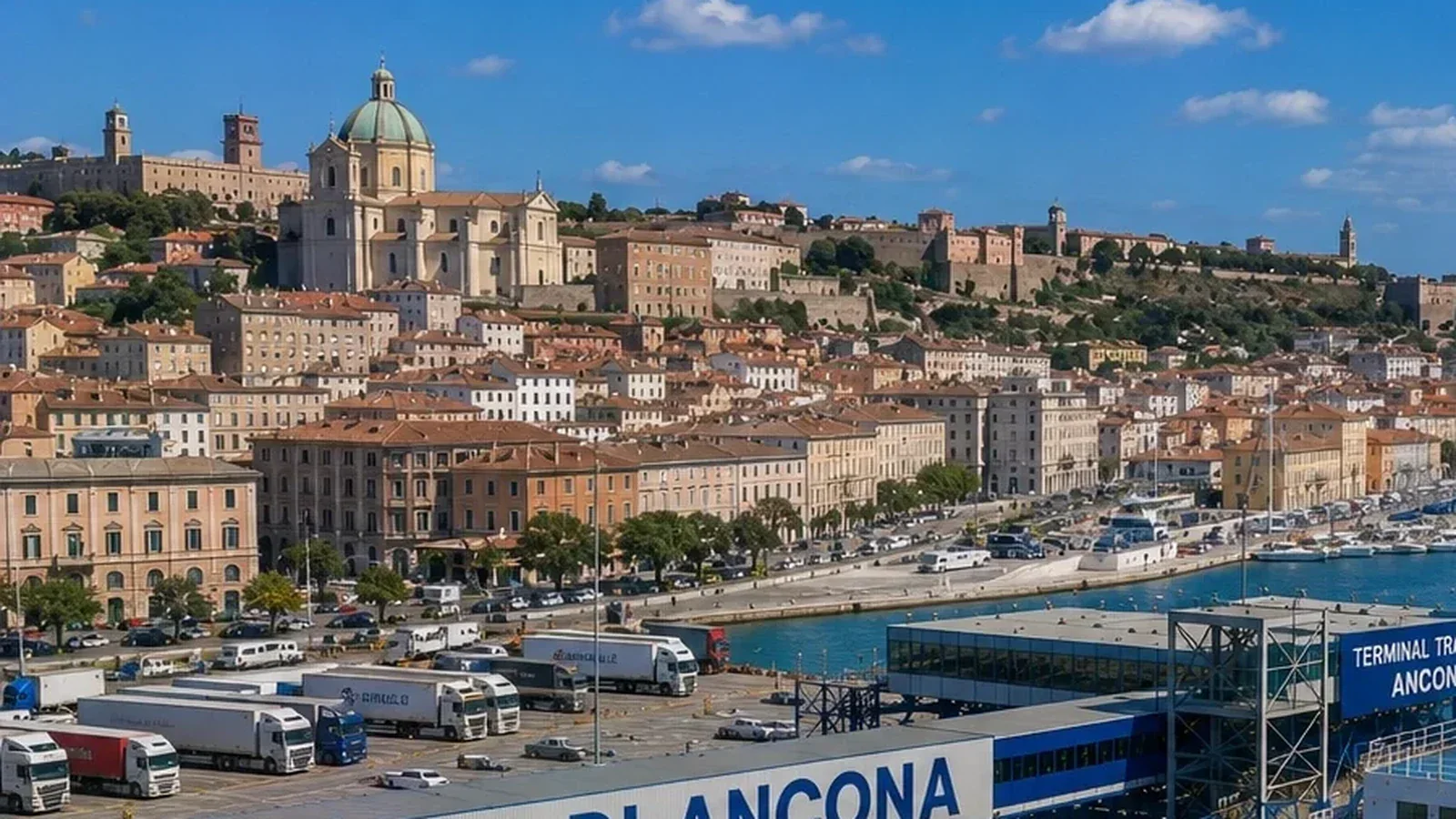


Cathedral of San Ciriaco
Climb to the hilltop cathedral for one of the city’s defining landmarks and broad views over the harbour and Adriatic.
Plan ferries to and from Ancona in Italy, with route choices, harbour guidance and ideas for the rest of your journey.
Choose your route, travel dates, passengers and vehicle to compare current sailings and fares. Search all ferry routes.
Check your ports, passengers, vehicle and dates before completing the reservation.
Adriatic history, hilltop views and a major gateway between Italy and the eastern Mediterranean
Ancona rises around a natural harbour on Italy’s Adriatic coast, with the historic centre climbing from the port towards the Cathedral of San Ciriaco on Guasco Hill. The city is less polished than some better-known Italian destinations, but that working-port character is part of its appeal.
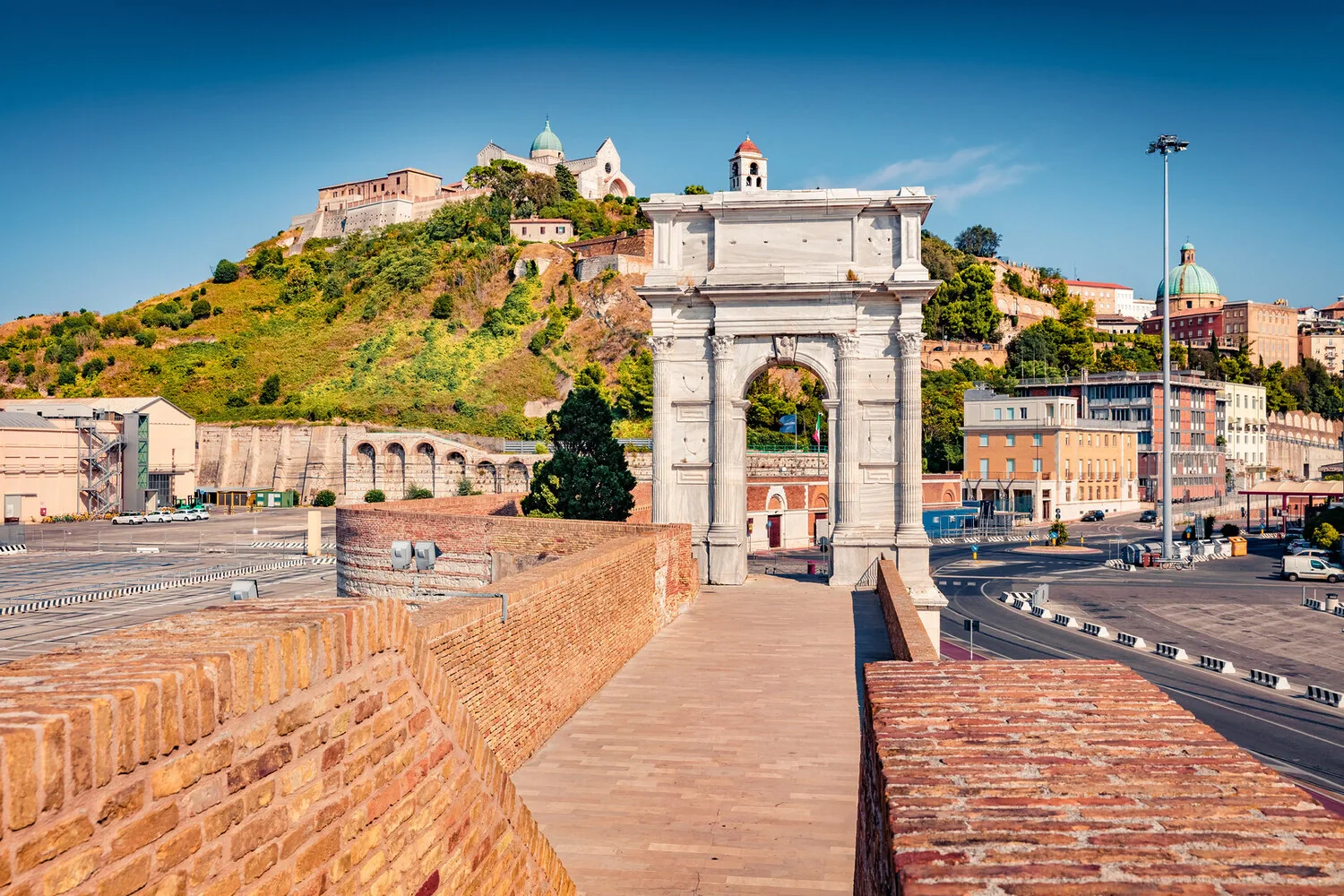
The cathedral, Arch of Trajan and Roman remains reveal Ancona’s long maritime history, while the Mole Vanvitelliana and waterfront show how the harbour continues to shape the city. The Passetto, on the opposite side of the centre, gives wide views across the Adriatic.
For ferry travellers Ancona is one of Italy’s most important Adriatic passenger ports. Services link the city with western Greece, particularly Igoumenitsa and Patras, while Albania connections provide another route across the Adriatic.
The centre can be explored on foot, although the city’s slopes make buses useful. Ancona railway station connects the Marche coast with Bologna, Rimini, Pescara and other Italian cities, making rail-and-ferry itineraries practical.
If time allows, the Conero Riviera south of Ancona adds beaches, cliff scenery and villages such as Sirolo and Numana, giving the port city a strong coastal-holiday dimension beyond the ferry terminal.
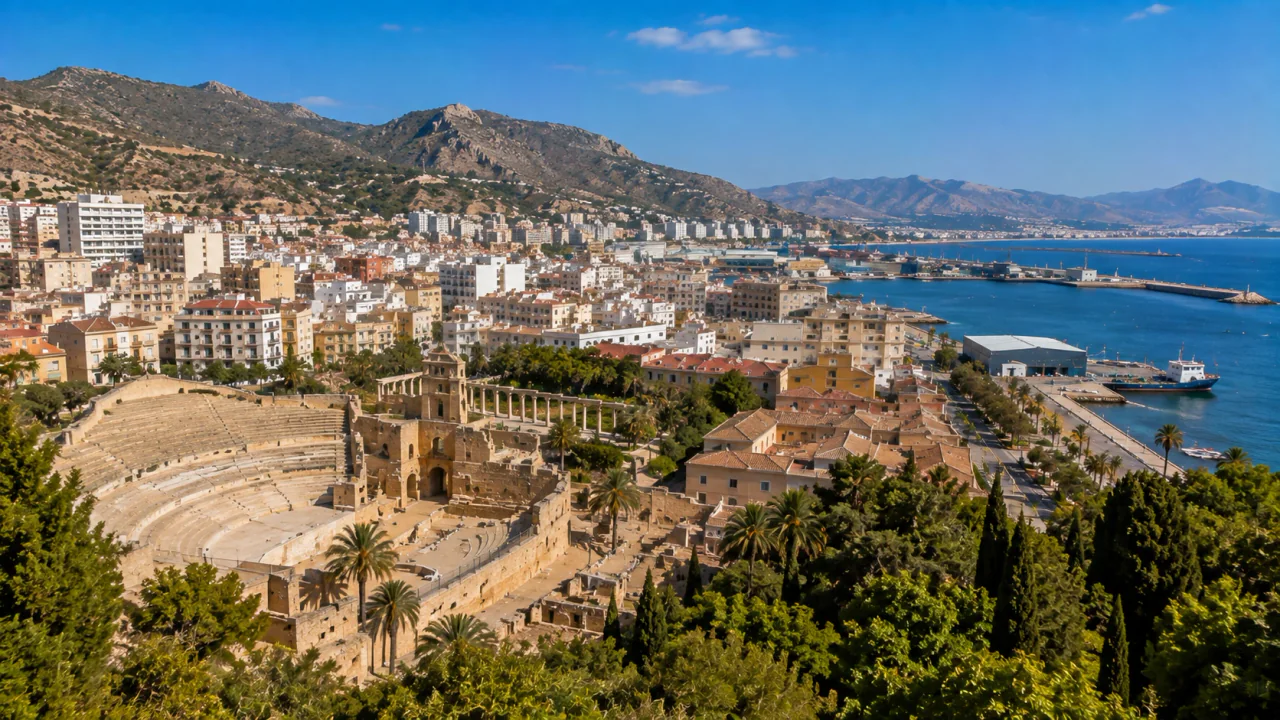
Ancona mixes Roman and medieval landmarks with Adriatic viewpoints and easy access to the scenic Conero coast.
Climb to the hilltop cathedral for one of the city’s defining landmarks and broad views over the harbour and Adriatic.
See the Roman triumphal arch standing beside the port, a reminder of Ancona’s long role as an Adriatic gateway.
Walk the monument-lined avenue to the seafront and panoramic terraces on the eastern side of the city.
Explore the pentagonal former quarantine complex, now used for exhibitions and cultural events by the harbour.
Spend time in one of the historic centre’s most atmospheric squares, surrounded by cafés and civic architecture.
Head south to beaches, cliffs and coastal villages around Monte Conero when your itinerary allows a longer stop.
Browse walking tours, Adriatic experiences and excursions around Ancona and the wider Marche coast.
Tours and activities displayed in this section are supplied through Viator. Availability, descriptions and prices are provided by the activity supplier and can change.
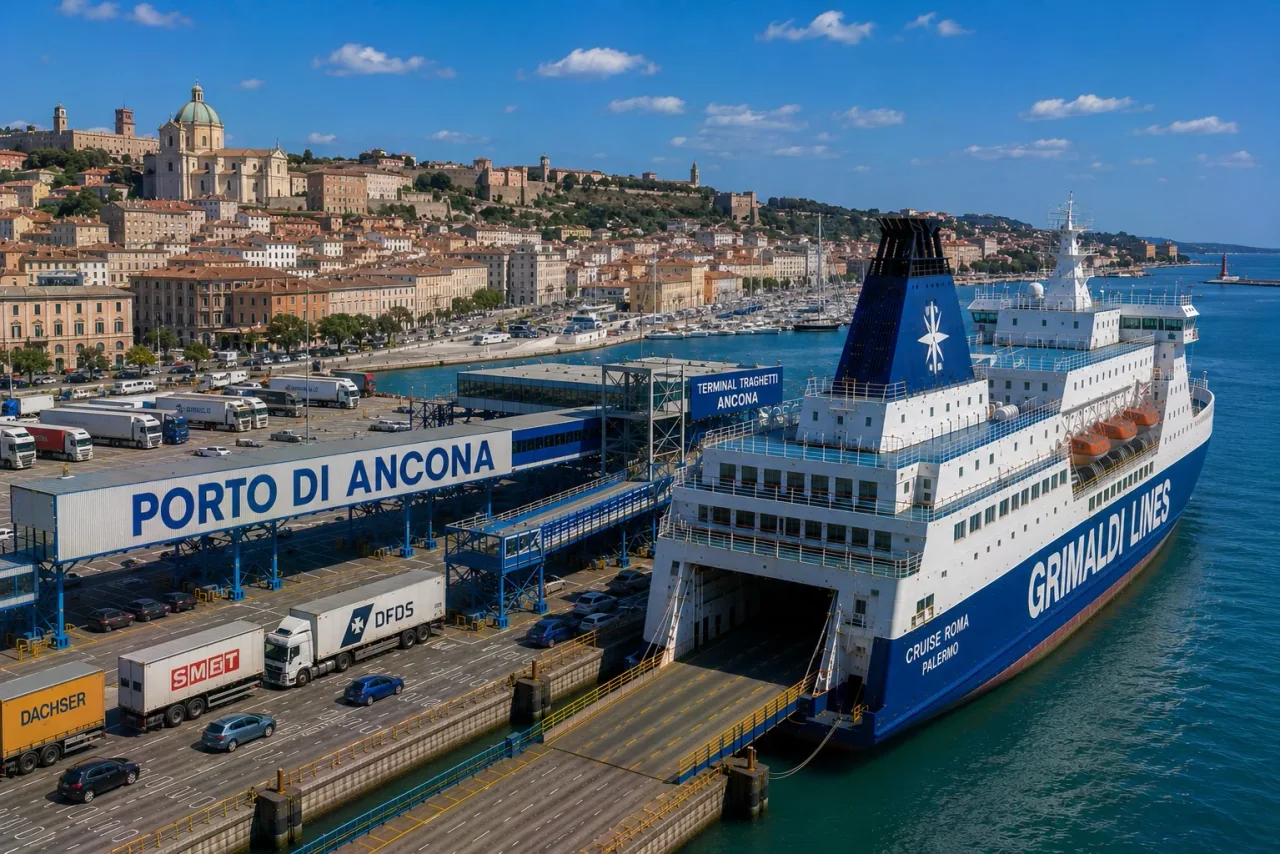
Ancona is a major Adriatic passenger port with international vehicle and foot-passenger services. The ferry network is particularly important for journeys to western Greece, with sailings to Igoumenitsa and Patras operating according to date and seasonal timetable.
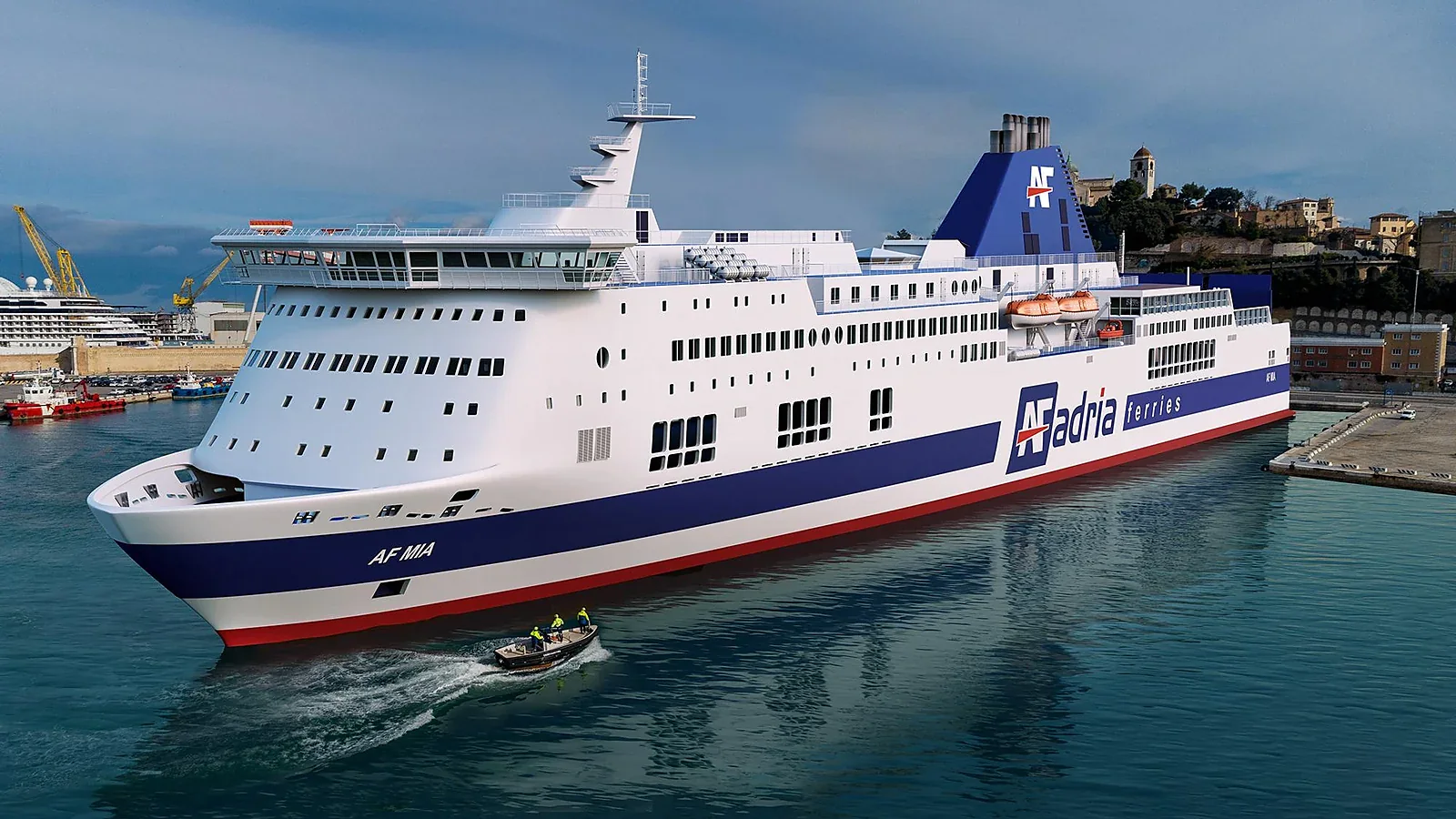
Adria Ferries also links Ancona with Durrës in Albania. Operator patterns, intermediate calls and departure times can change by season, so use your live booking confirmation for the definitive terminal, check-in and sailing details.
The passenger port occupies a large working-harbour area. Vehicle passengers should allow sufficient time for check-in and border formalities, while foot passengers should verify where their operator requires ticket collection or boarding.
Ancona’s centre is compact but hilly, with buses and rail useful for connecting the port to the wider Marche region.
Many central squares, churches and harbour viewpoints can be combined on foot, though expect some steep streets.
Mainline trains connect the city with Bologna, Rimini, Pescara and destinations across Italy.
Find Ancona rail tickets here...A car gives the greatest flexibility for beaches, Sirolo, Numana and inland Marche towns.
Central Ancona is convenient for sightseeing and onward transport, while the Conero coast is a stronger choice if you want to turn the ferry stop into a beach stay.
The international passenger port is on Ancona’s central Adriatic waterfront within the large commercial harbour area.
Current networks include routes to Greek ports such as Igoumenitsa and Patras and to Durrës in Albania, with schedules varying by date and operator.
Yes, the harbour is beside central Ancona, although the passenger check-in area can involve a longer walk or transfer within the port complex.
Highlights include San Ciriaco Cathedral, the Arch of Trajan, Passetto, Mole Vanvitelliana and a trip to the Conero Riviera.
Yes on vehicle-carrying international services. Reserve the correct vehicle type and dimensions and arrive within the operator’s check-in window.
Yes on relevant passenger services. Check the operator’s boarding point and document requirements for your sailing.
Yes. Ancona is on the Adriatic main line, with useful connections north and south along the coast and across Italy.
A day covers the main city sights, while two or more days gives time for Monte Conero, beaches and surrounding Marche towns.
The route catalogue includes departures towards Corfu, Durrës, Igoumenitsa, Patras, Split, Zadar. Each direction has its own guide so that you can check the correct starting pier and arrival arrangements. A listed connection may be seasonal, a multi-stop itinerary or a former service; read its service status before making plans.
No matches. Try a different place name or clear the filters.
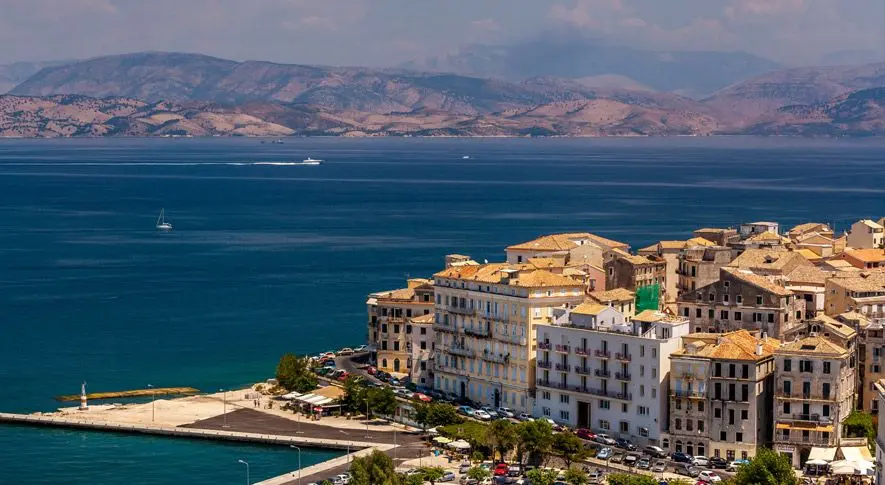
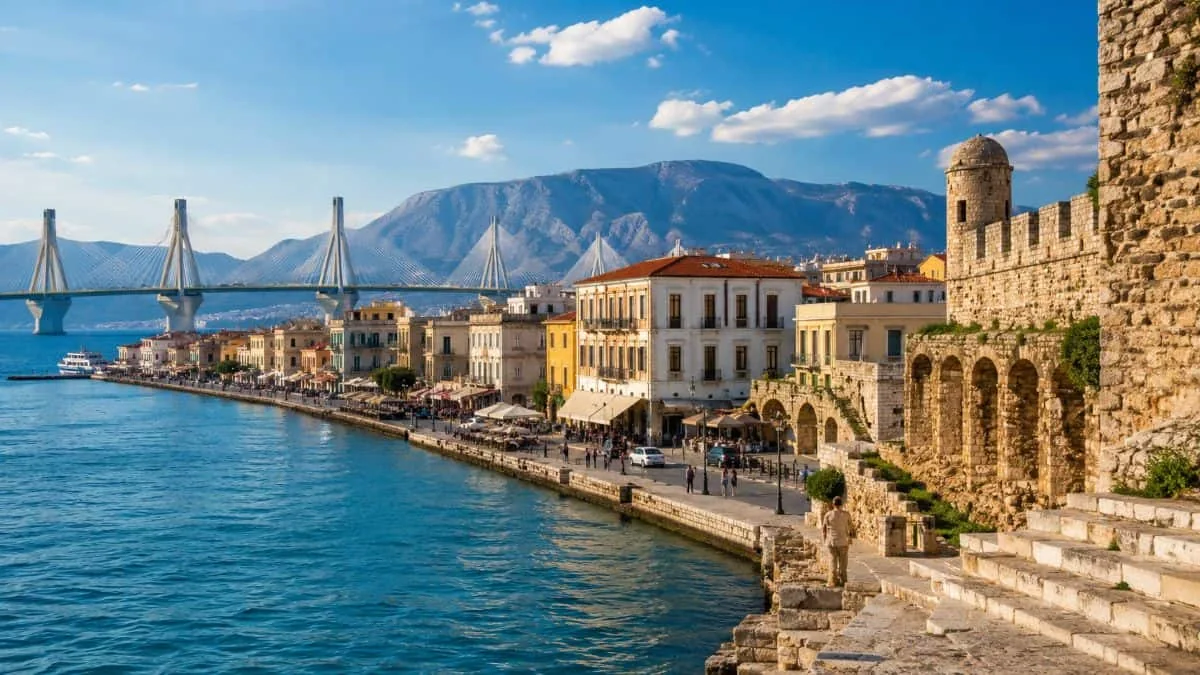
Grimaldi Lines, Superfast Ferries
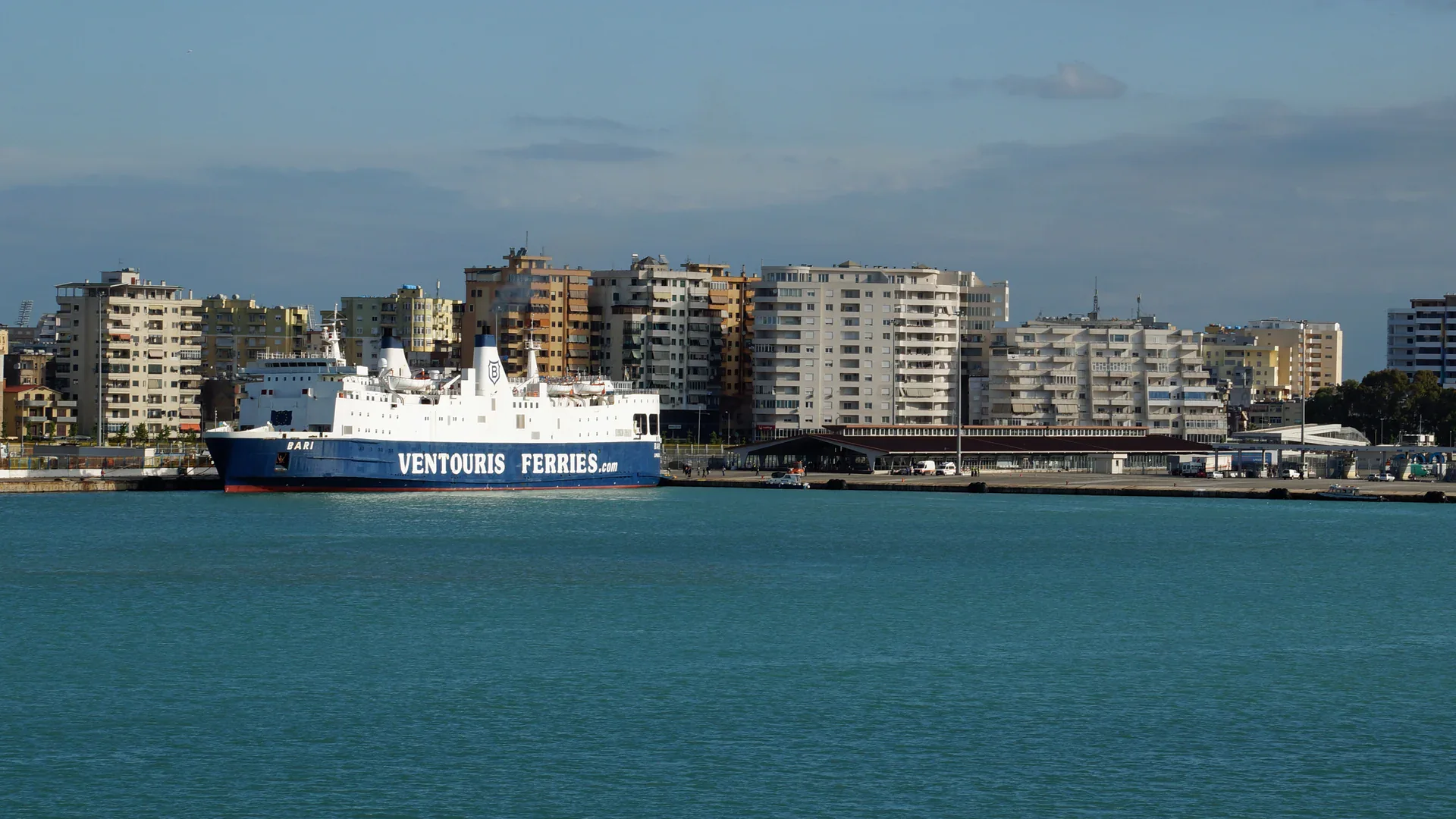
Adria Ferries

Superfast Ferries
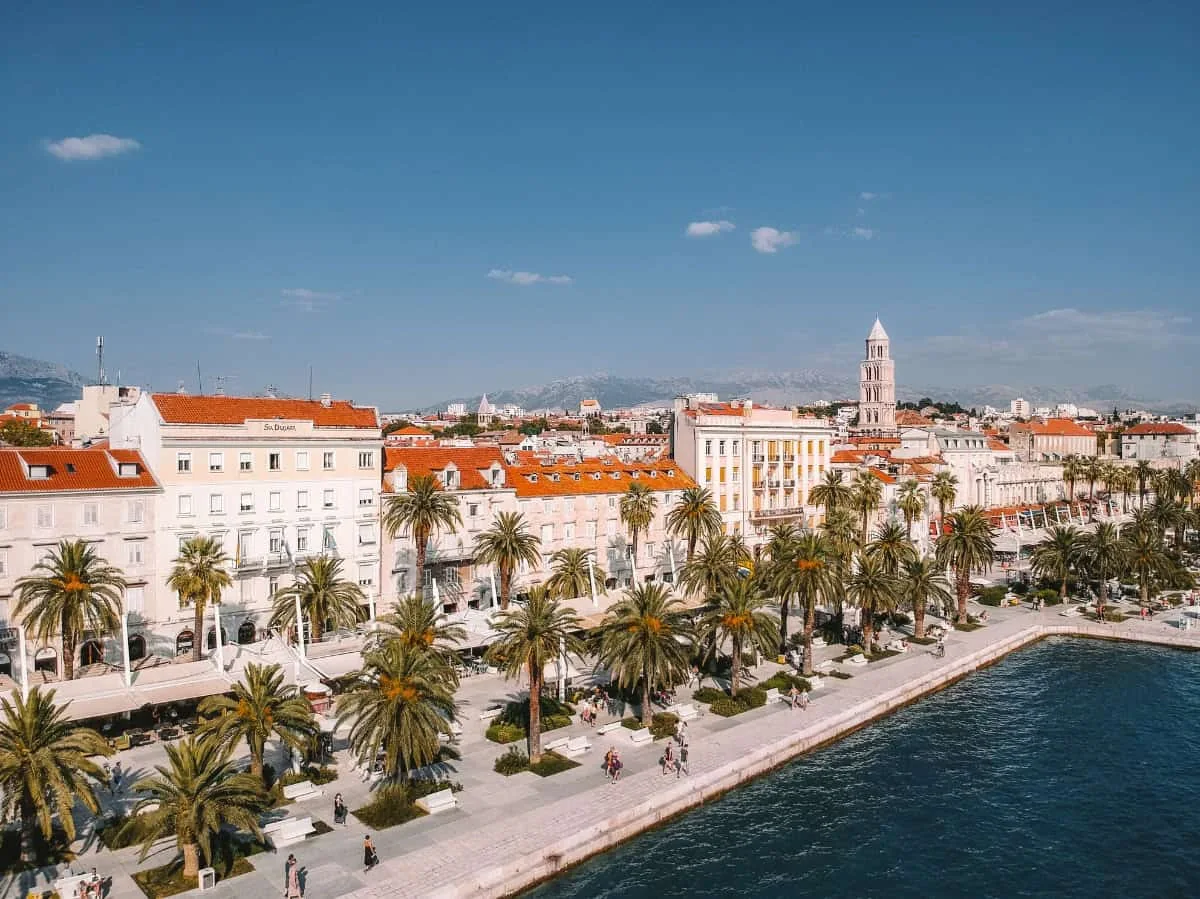
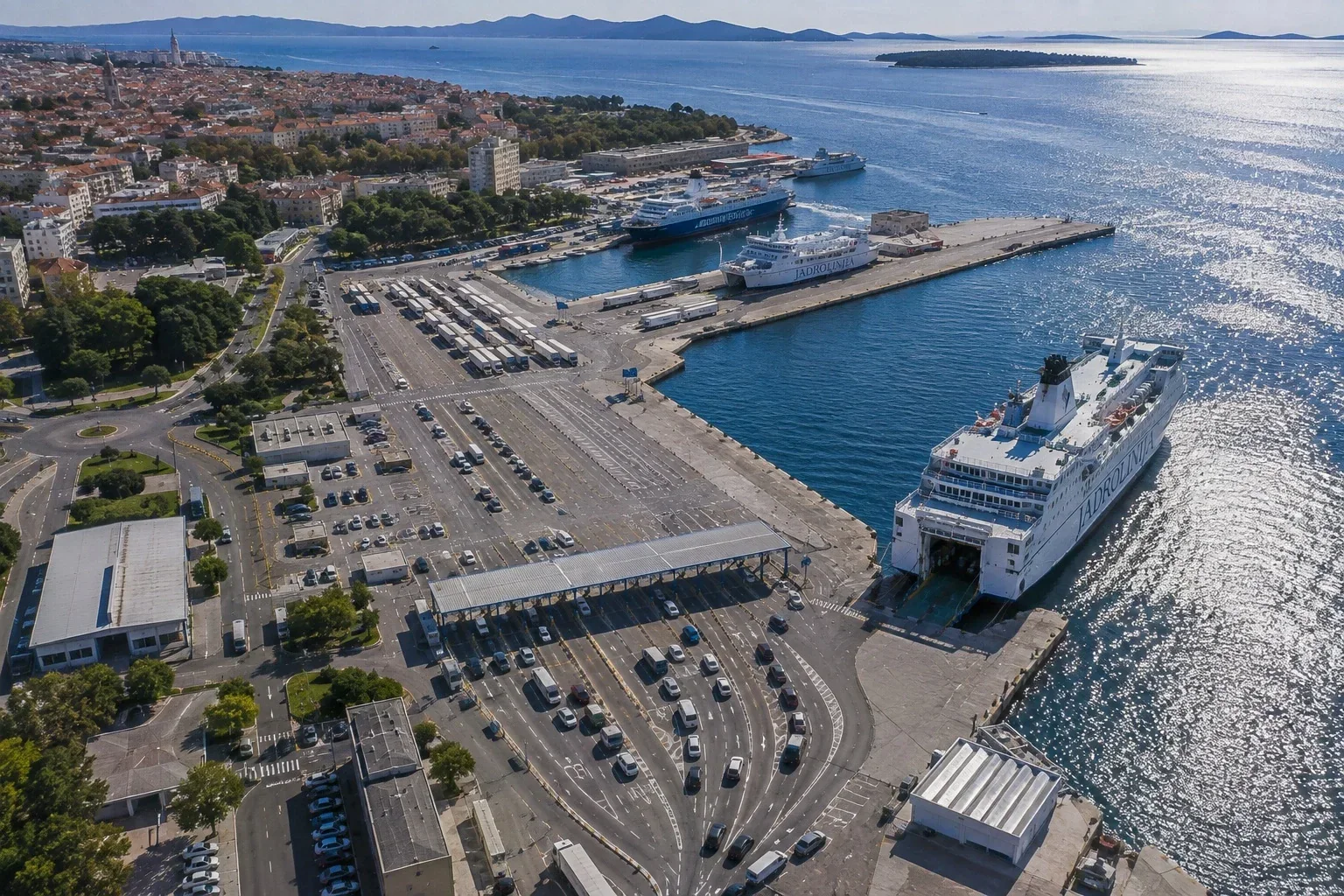
Jadrolinija, SNAV
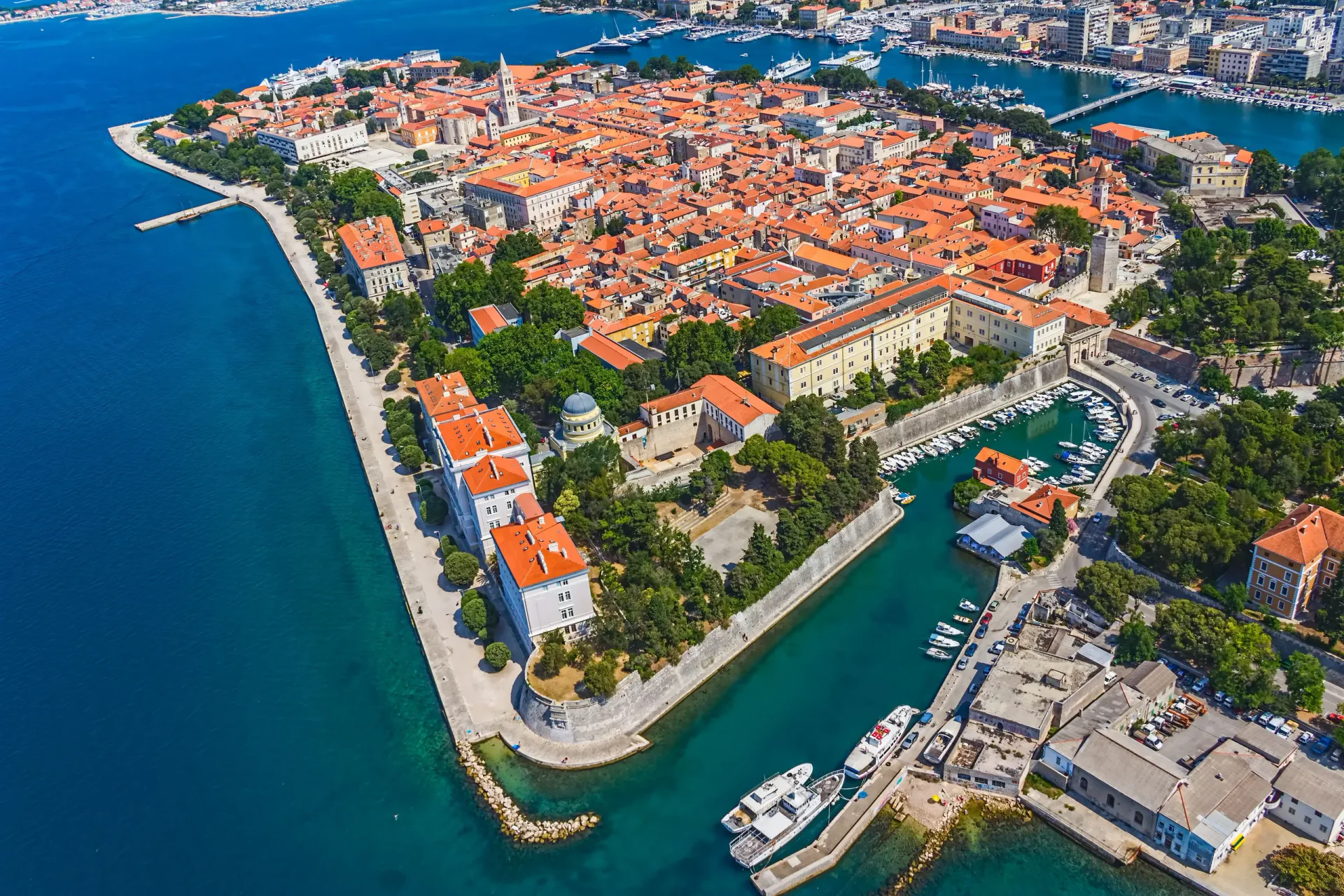
Jadrolinija
Ancona is a major Adriatic ferry gateway in central Italy. The passenger terminal lies close to the city, with road links towards the A14 and rail connections through Ancona Centrale.
Pin the precise ferry terminal before travelling to Ancona. Some towns have separate passenger quays, vehicle terminals and excursion-boat landings. The operator’s address on your confirmation is more useful than a town-centre map pin.
For a car journey, leave a margin for the final approach, queueing and check-in. Without a car, confirm the last part of the journey from the railway station or bus stop. A short map distance may involve port roads or areas closed to pedestrians; use a confirmed transfer or walking route.
Keep your booking reference and required documents accessible. If you need step-free boarding, help with luggage or space for a bicycle, arrange it before the day of travel. Small piers and large vehicle terminals can offer very different facilities.
Plan each sea leg as a separate part of the trip. Check the arrival port, transfer distance, vehicle restrictions and the time before the next sailing. A ticket sold by one company or booking provider does not automatically create a protected connection with another.
Check your arrival time against accommodation check-in and the next transport service. If this is an island stay, organise the return ferry before fixing a mainland flight or a long-distance train. The outward and return ports do not have to be the same, but separate tickets can have different conditions.
European ferries for UK travellers · Detailed planning advice
Check live sailing options, passenger fares, vehicle prices and onboard accommodation for your travel dates.