

Maison Bonaparte
Visit the Bonaparte family home in the old town and put Ajaccio’s most famous historical connection into context.
Plan ferries to and from Ajaccio in Corsica, France, with route choices, harbour guidance and ideas for the rest of your journey.
Choose your route, travel dates, passengers and vehicle to compare current sailings and fares. Search all ferry routes.
Check your ports, passengers, vehicle and dates before completing the reservation.
Imperial heritage, Mediterranean beaches and a mountain-backed gulf
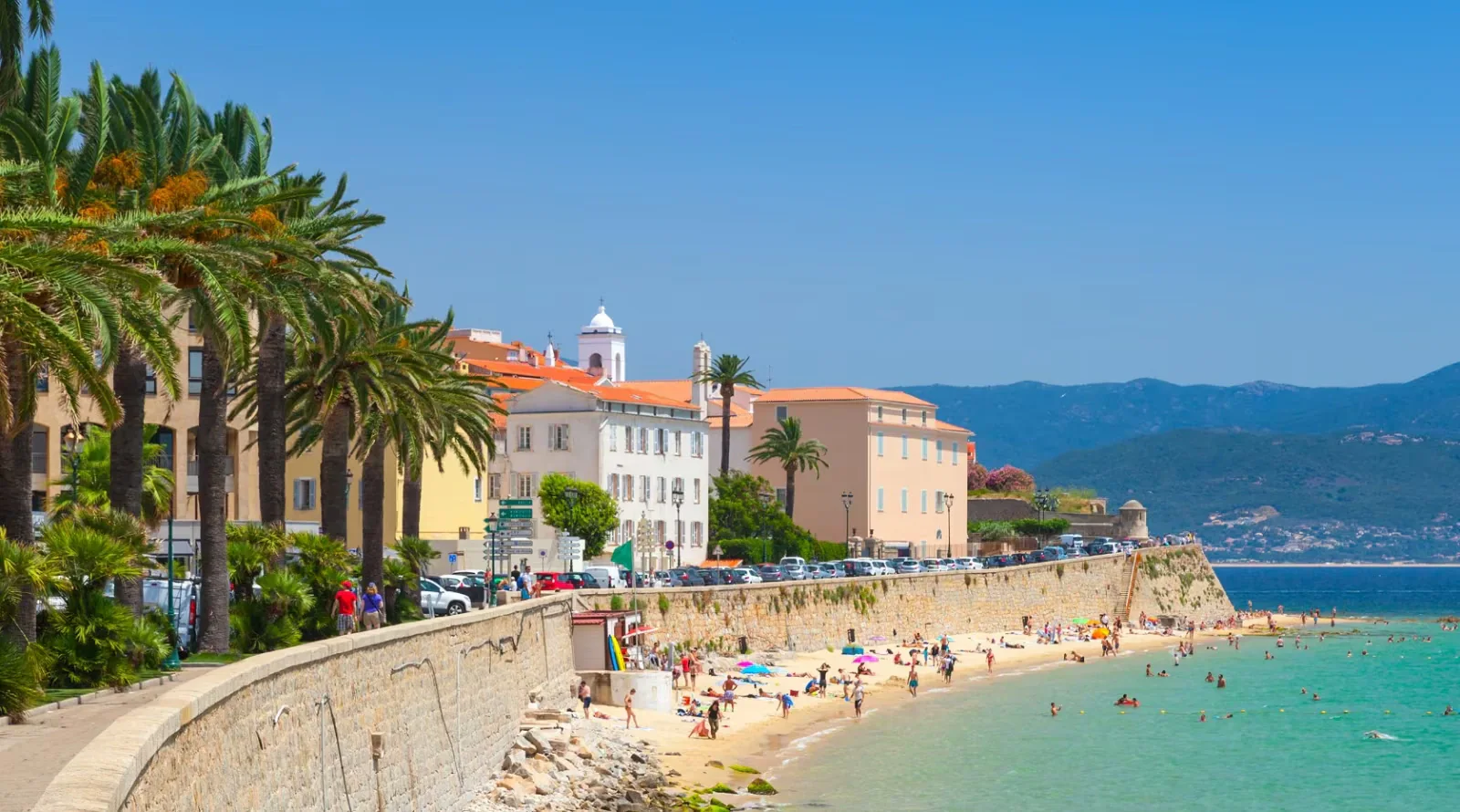
Ajaccio curves around a broad Mediterranean gulf on Corsica’s west coast, bringing together an old town, palm-lined waterfront, beaches and a mountain backdrop within a relatively compact city. It is both the island’s administrative capital and one of its most useful ferry gateways.
The city’s strongest historical association is with Napoleon Bonaparte, who was born here in 1769. Maison Bonaparte, the Fesch Museum and the streets around the old town give a cultural counterpoint to the beaches, cafés and marinas that make Ajaccio feel unmistakably Mediterranean.
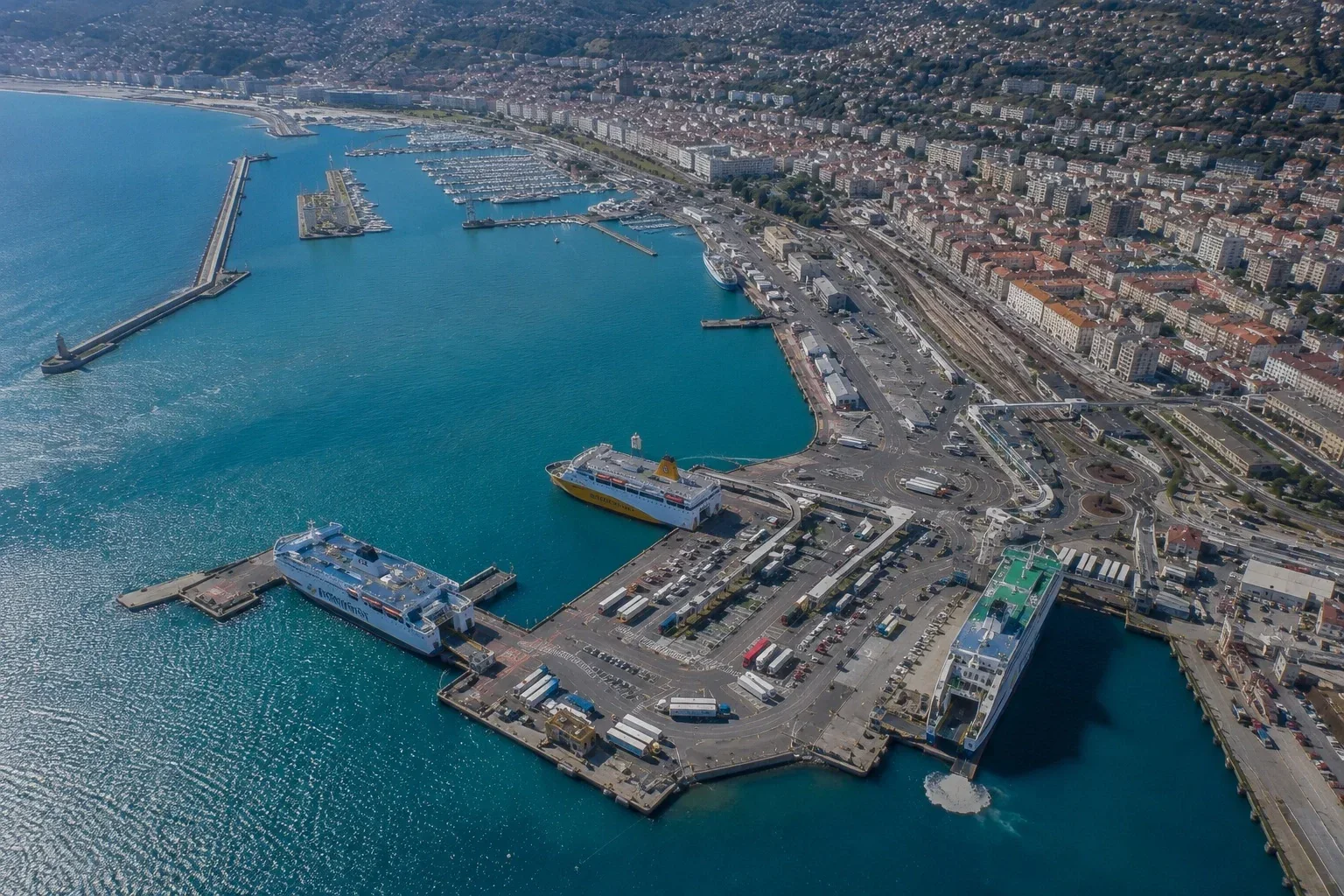
For ferry travellers, the advantage is convenience. The commercial ferry port sits beside the centre, so an arrival or departure can be combined with a walk around the old town, the market or waterfront without turning the stop into a complicated transfer.
West of the centre, the Route des Sanguinaires leads towards La Parata and the Sanguinaires Islands, one of the most recognisable landscapes around the Gulf of Ajaccio. The route also passes several beaches and viewpoints that work well for a half-day outing.
Ajaccio also makes a practical starting point for exploring more of Corsica. Rail services run inland and north towards Corte and Bastia, while a car opens up mountain villages, beaches and the island’s rugged western coast.
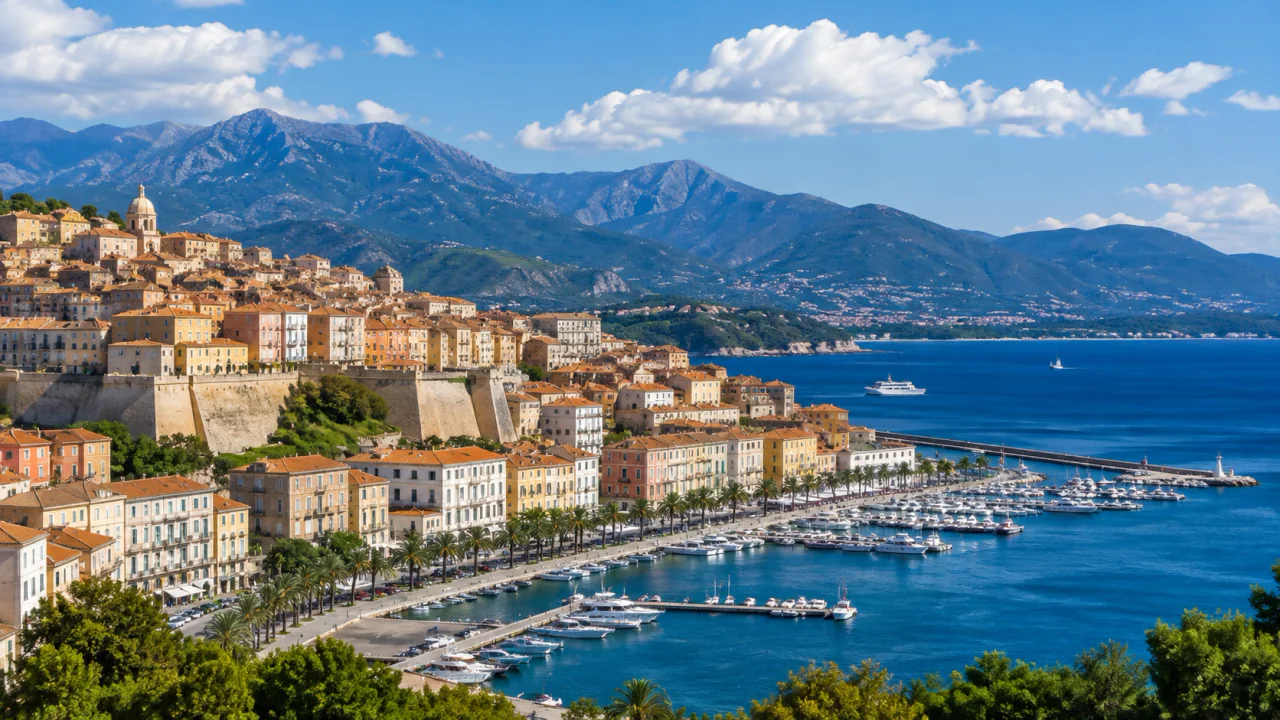
Ajaccio is compact enough to enjoy between sailings, but its mix of history, beach life and coastal scenery also rewards a longer stay.
Visit the Bonaparte family home in the old town and put Ajaccio’s most famous historical connection into context.
Explore the city’s fine-arts museum and its important Italian painting collection close to the waterfront.
Wander narrow streets between the cathedral, market, waterfront and the citadel area at the heart of historic Ajaccio.
Sample Corsican cheeses, charcuterie, pastries and seasonal produce in the city’s lively central market.
Follow the coast west for dramatic viewpoints towards the Sanguinaires Islands, especially towards sunset.
Combine the old town with a swim, promenade walk or relaxed waterfront stop around the Gulf of Ajaccio.
Browse tours, activities and experiences available for Ajaccio and the surrounding Gulf of Ajaccio.
Tours and activities displayed in this section are supplied through Viator. Availability, descriptions and prices are provided by the activity supplier and can change.
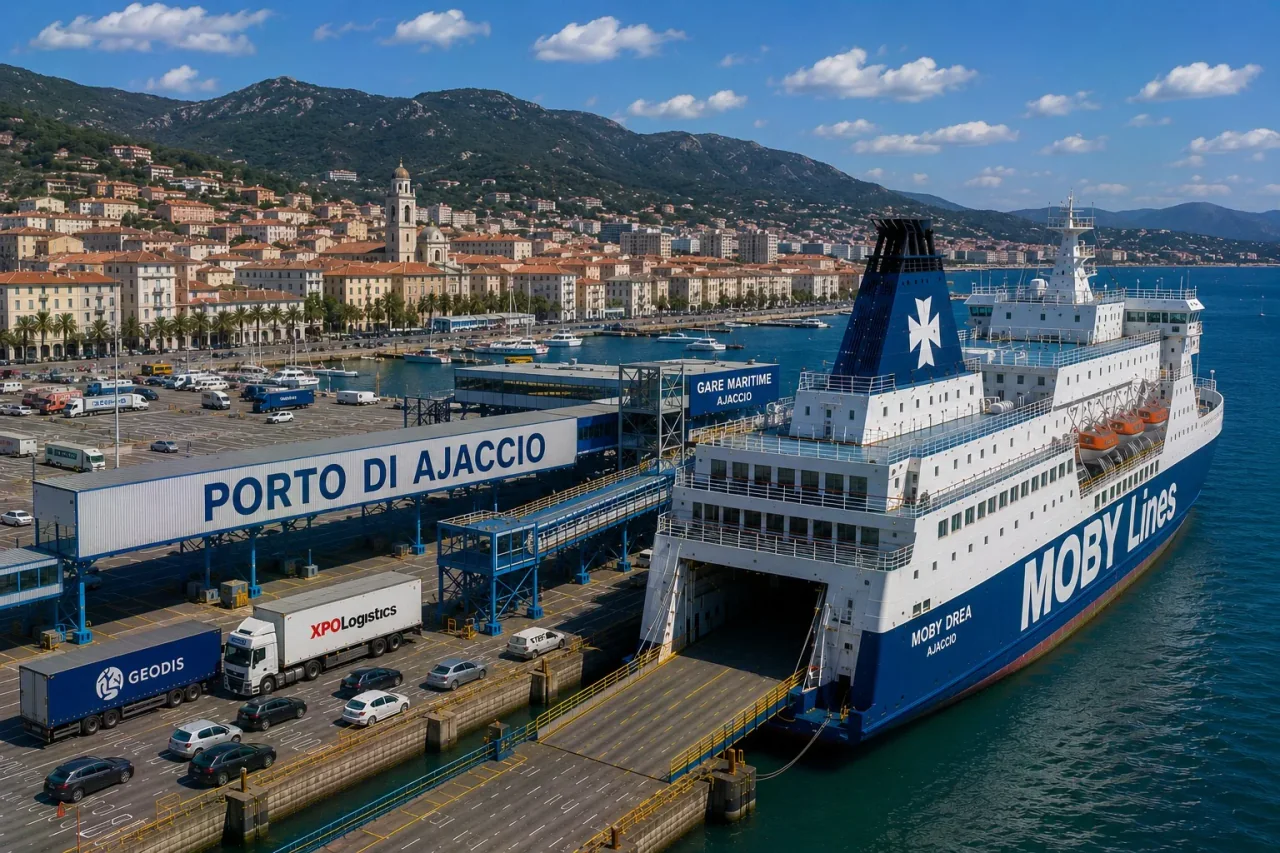
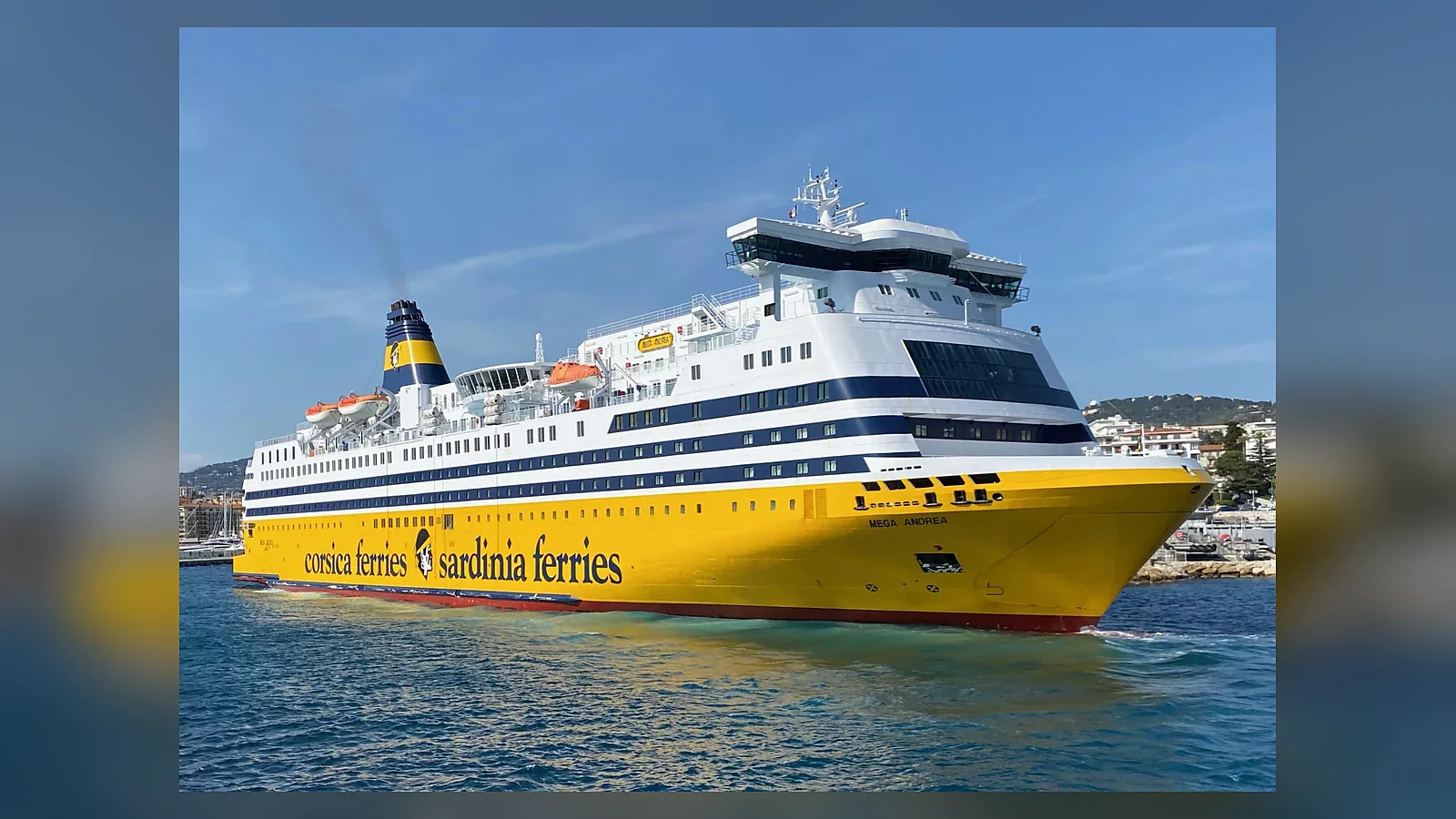
Ajaccio’s passenger ferries use the Gare Maritime beside the city centre. The terminal location makes Ajaccio unusually convenient for foot passengers because the old town, waterfront accommodation and central services are all close by.
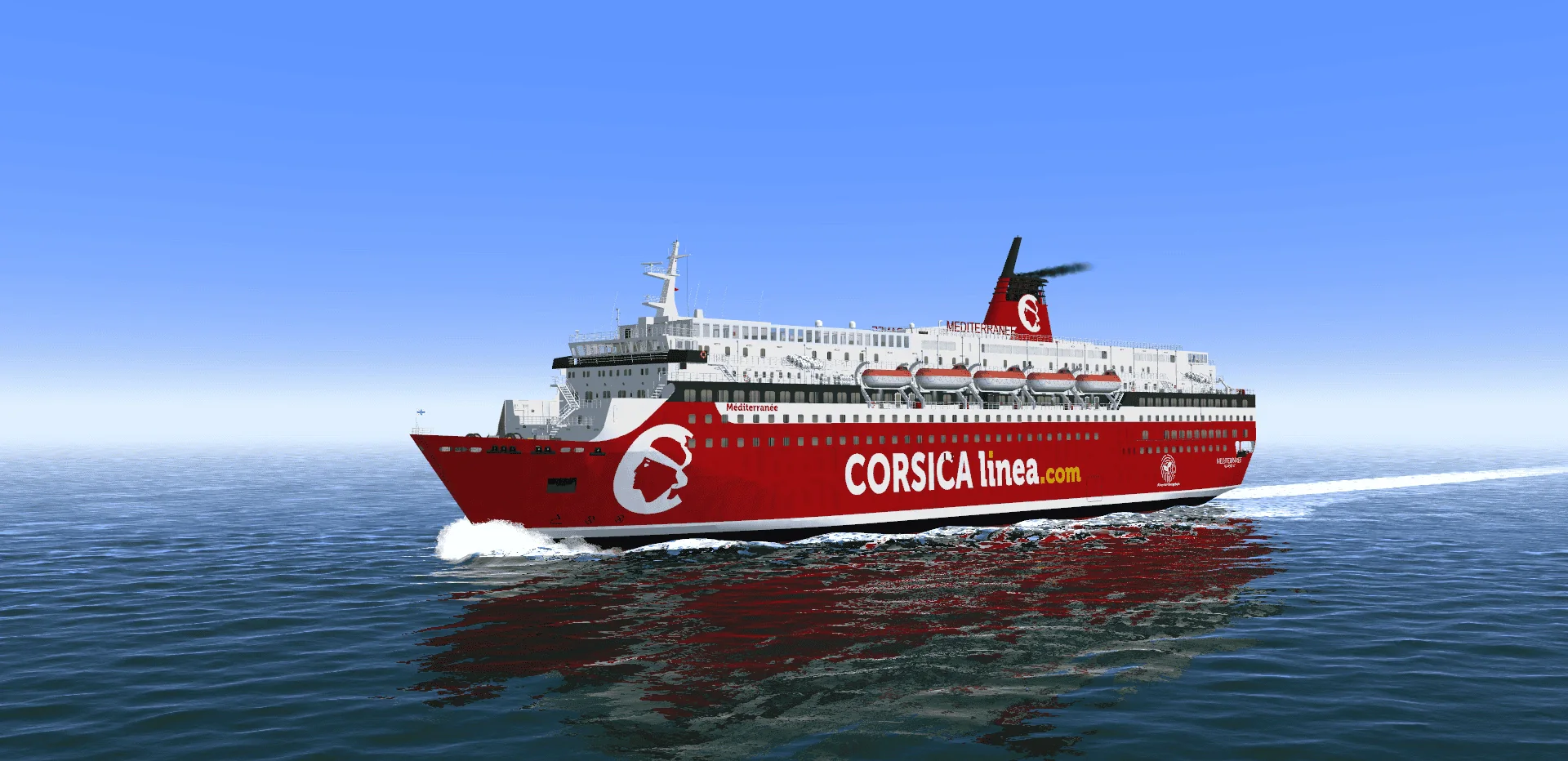
Current ferry networks connect Ajaccio with mainland France, including Toulon, Nice and Marseille services depending on operator and date. Selected sailings also link Ajaccio with Porto Torres in Sardinia. Route patterns and frequency vary seasonally, so use the live booking result for the actual sailing available on your date.
Vehicle passengers should follow the check-in and marshalling instructions issued by their operator, particularly during busy summer periods. Foot passengers should also confirm the correct terminal entrance and boarding deadline because procedures can differ between companies.
The historic centre is easy to cover on foot, while trains, buses and a car extend the range of places you can reach around Corsica.
The market, cathedral, Maison Bonaparte, marina and central beaches fit naturally into a compact walking itinerary.
Corsican trains connect Ajaccio with inland and northern destinations, while buses and local services cover the wider urban area.
Find Ajaccio rail tickets here...A car is useful for La Parata, outer beaches, mountain villages and longer trips around Corsica’s west coast.
Central Ajaccio keeps the ferry terminal, restaurants and historic sights convenient, while accommodation further west along the gulf gives easier access to beaches and sunset views.
Passenger ferries use the Gare Maritime in central Ajaccio, close to the old town and waterfront.
Depending on operator and season, Ajaccio has ferry links with mainland French ports including Marseille, Toulon and Nice, plus selected connections with Porto Torres in Sardinia.
Yes. The ferry terminal is beside central Ajaccio, making it practical to walk to accommodation, restaurants and many city sights.
Popular first-time highlights include Maison Bonaparte, Palais Fesch, the old town and market, city beaches, and the coastal route towards La Parata and the Sanguinaires Islands.
Not for the central city. A car becomes much more useful if you want to explore beaches, mountain villages and the wider west coast of Corsica.
Yes on relevant passenger services. Check the operator’s boarding deadline and terminal instructions for your exact sailing.
Yes on vehicle-carrying services. Enter the correct vehicle dimensions and reserve deck space in advance, especially in summer.
One or two days covers the main city sights and nearby coast, while a longer stay gives time for beaches and day trips around the Gulf of Ajaccio.
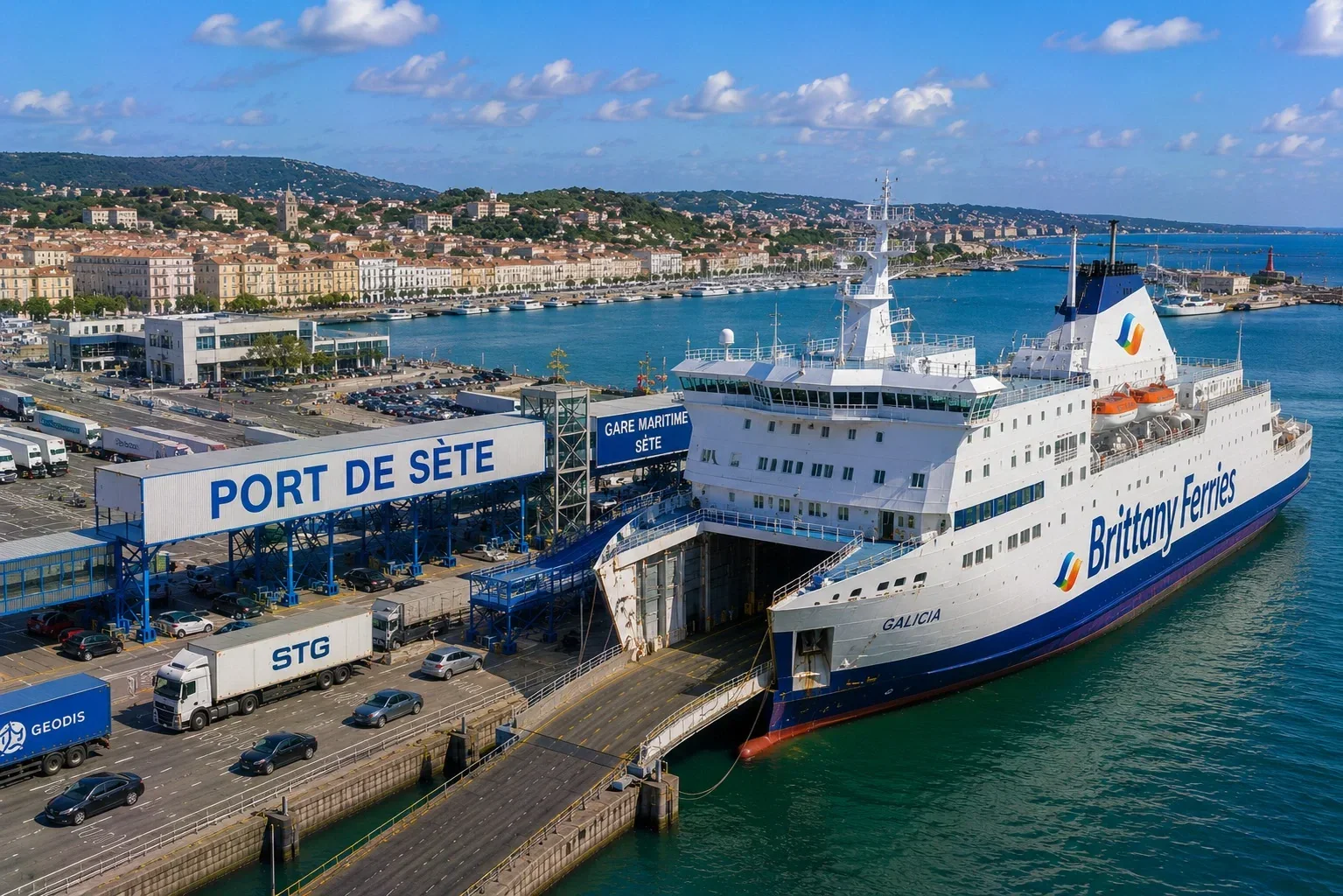
The route catalogue includes departures towards Marseille, Nice, Porto Torres, Sète, Toulon. Each direction has its own guide so that you can check the correct starting pier and arrival arrangements. A listed connection may be seasonal, a multi-stop itinerary or a former service; read its service status before making plans.
No matches. Try a different place name or clear the filters.
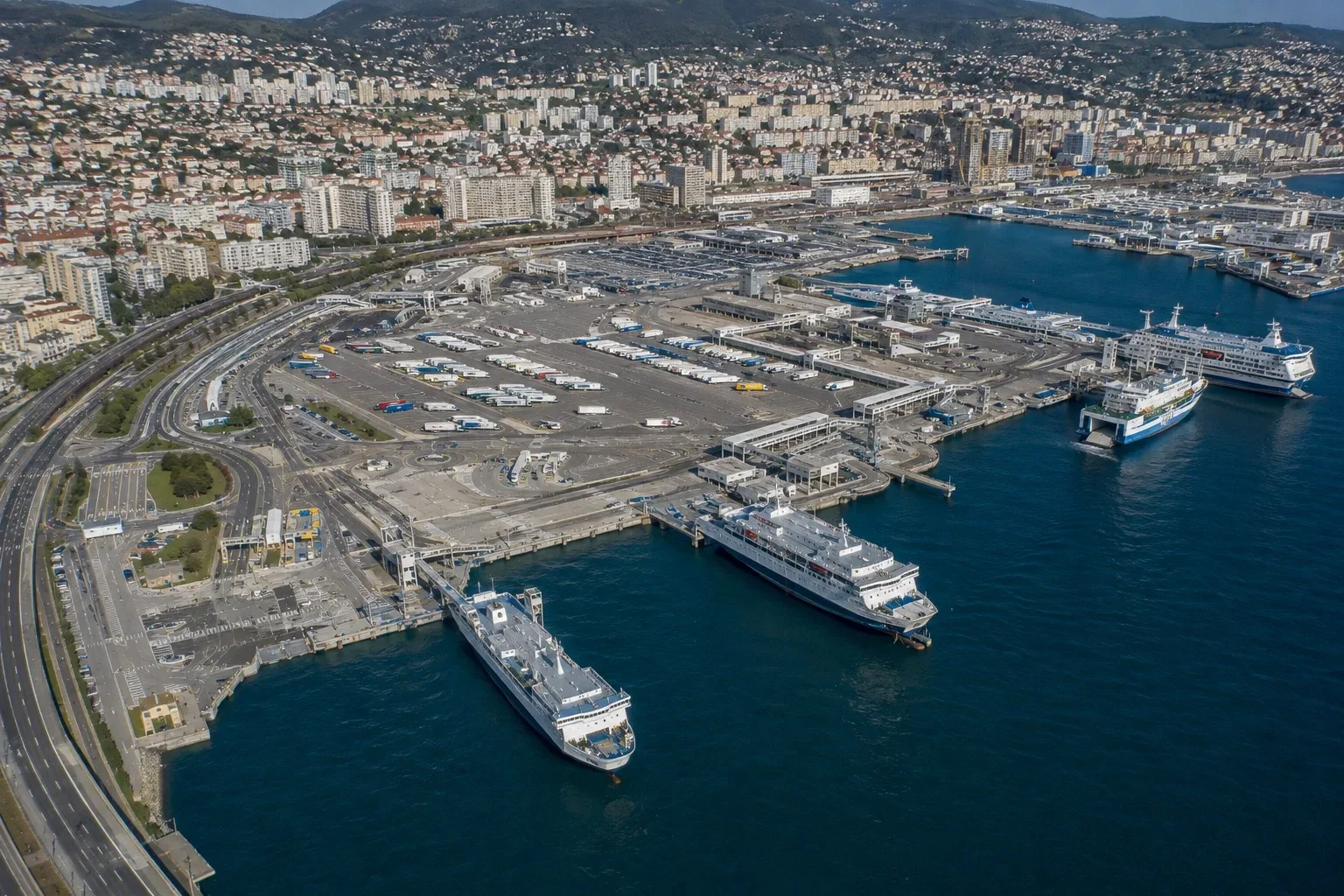
Ajaccio’s ferry port is centrally placed beside the city and railway station, giving easy access to the Gulf of Ajaccio and west-coast road network.
Pin the precise ferry terminal before travelling to Ajaccio. Some towns have separate passenger quays, vehicle terminals and excursion-boat landings. The operator’s address on your confirmation is more useful than a town-centre map pin.
For a car journey, leave a margin for the final approach, queueing and check-in. Without a car, confirm the last part of the journey from the railway station or bus stop. A short map distance may involve port roads or areas closed to pedestrians; use a confirmed transfer or walking route.
Keep your booking reference and required documents accessible. If you need step-free boarding, help with luggage or space for a bicycle, arrange it before the day of travel. Small piers and large vehicle terminals can offer very different facilities.
Plan each sea leg as a separate part of the trip. Check the arrival port, transfer distance, vehicle restrictions and the time before the next sailing. A ticket sold by one company or booking provider does not automatically create a protected connection with another.
Check your arrival time against accommodation check-in and the next transport service. If this is an island stay, organise the return ferry before fixing a mainland flight or a long-distance train. The outward and return ports do not have to be the same, but separate tickets can have different conditions.
European ferries for UK travellers · Detailed planning advice
Check live sailing options, passenger fares, vehicle prices and onboard accommodation for your travel dates.